
There was some kind of malfunction in the recruitment drive for nearly a decade as Celtic failed to sign a single player from East Asia.
The appointment of Ange Postecoglou as manager in June 2021 rebooted a system which had either been left dormant or abandoned completely.
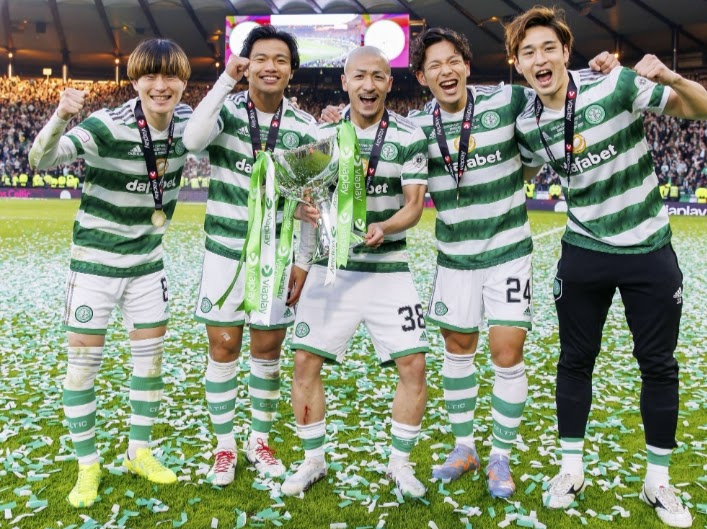
Now the Glasgow giants have six Japanese players and one from South Korea, with J-League MVP midfielder Tomoki Iwata and South Korean striker Oh Hyeon-gyu the latest additions in the last transfer window.
Not everyone is thrilled about the nationalities and number of the squad members.
Ignoring agenda driven, racist troglodytes and those who question whether the club is somehow losing its Scottish identity, the strategy is clearly not based on diversification just for the sake of it. A small but vocal rabble of parochial naysayers still question the Glasgow club’s modus operandi.
Instead it’s the sign of an expansive and imaginative squad construction plan in which the rewards outweigh the risks and first-rate internationals can be sourced at affordable prices in an increasingly volatile transfer market.
As cash rich English Premier League (EPL) clubs casually outbid rivals across Europe and ludicrously waste millions on mediocre players it’s a refreshing and innovative approach.
Yet between May 2012 and the arrival of Postecoglou the Scottish champions didn’t cast the net particularly far for reinforcements.
It’s not as if they didn’t have experience of pinpointing talent from Japan, South Korea and China.
Japanese playmaker Shunsuke Nakamura dazzled with his extraordinary free-kicks, especially in the Champions League, and astounding technical skills during a successful four year tenure between 2005 and 2009.
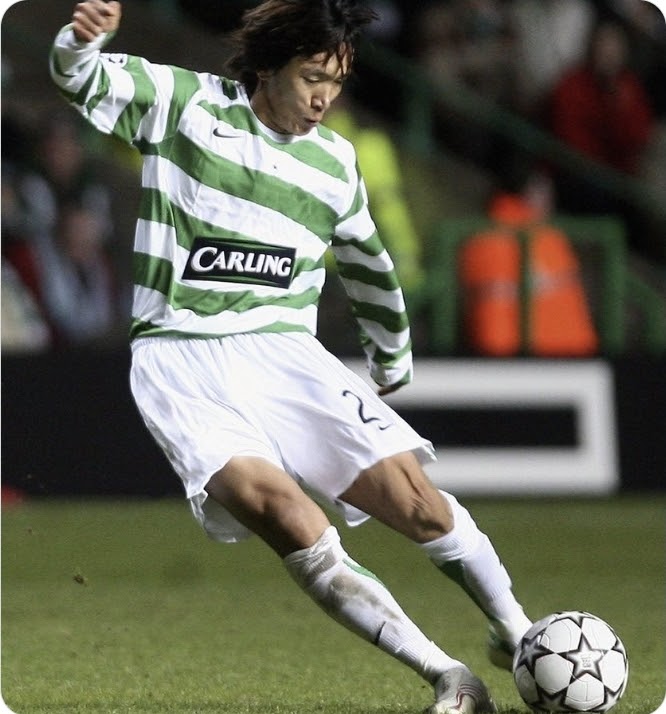
Perhaps the failures of the largely forgotten Japanese midfielder Koki Mizuno (2007-2010), Chinese defender Du Wei (who was hauled off after just a single half in a shock Scottish Cup defeat at Clyde in 2006 and never seen again) and compatriot Zheng Zhi (2009-2010) partially led to a reappraisal of the club’s target markets.
Yet when South Korean internationals Ki Sung-yueng and Cha Du-ri departed Celtic at the end of the 2011-2012 season there was no indication it would be a further nine years before the Parkhead side significantly broadened their outlook again.
It is incredible to think that Postecoglou’s arrival from Yokohama Marinos was met with an amalgam of derision, bemusement and (it must be said) quiet optimism.
Opinion on the Australian dramatically changed after a challenging initial period in charge. Things looked ominous after three league defeats in Postecoglou’s opening six games at the helm.
Yet Celtic went on to claim the title without losing again in the league thereafter, and also won the League Cup, in a scintillating run fuelled by new faces from a location the Bhoys had left unsearched for far too long.
Using his knowledge, contacts and first-hand experience of coaching in the J-League, Postecoglou hastily reshaped an uneven squad and revived the club’s connection with Japan at the same time.
Striker Kyogo Furuhashi was recruited from Vissel Kobe for £4.5 million in July 2021.
In December of the same year midfielder Reo Hatate arrived from Kawasaki Frontale for £1.4 million and winger Daizen Maeda, who played for Yokohama under Postecoglou, joined for £1.5 million. Midfielder Yosuke Ideguchi (Gamba Osaka) completed a trio of signings at the same time.
You don’t need dozens of paused analytics screenshots, scorching heat maps or reams of positional data to conclude that the fees for Furuhashi, Hatate and Maeda now look like absolute steals.
The £650,000 Celtic paid Feyenoord for the great Henrik Larsson in the summer of 1997 remains the best piece of transfer business in the club’s modern history, but the Japanese trio have all proved their worth already.
Only in football utopia is every signing an immediate and unequivocal success.
A combination of injury and fierce competition in midfield hampered Ideguchi’s progress as he failed to make any kind of impact in Scotland.
Nevertheless the gamble on integrating the Japanese players, with all the difficulties in adapting to a new culture, language and style of play, paid off spectacularly otherwise.
Talent trumps nationality every time as Postecoglou made abundantly clear during the campaign. Yet it’s no coincidence the Celtic manager sourced players from the same league and country in which he accumulated invaluable club coaching know-how.
Furuhashi scored 20 goals in his first season, including a superb double in the League Cup final, while becoming a fan favourite with his endless movement and expert finishing.
The ferocious pressing and almost superhuman energy of Maeda, as well as eight goals, added a fearsome new facet to a team known for relentless pinning back opponents and high-speed forward movement.
While in Hatate Celtic unearthed a midfield gem who possesses an exceptional array of technical skills and the ability to perform brilliantly in high pressure matches.
A thunderous long range strike at Hearts illustrated his vast potential.
While an unforgettable double in a rousing three goal home win against rivals Rangers in February 2022 endeared him to the club’s supporters for life.
Amid unique goal and after match celebrations the triumvirate constantly impressed with their humility, dedication and sportsmanship.
All three have elevated their performances this season.
A clinical Furuhashi again struck twice as Celtic won the League Cup against Rangers and should comfortably exceed 30 goals in all competitions.
Maeda continues to pound up and down the channels like a world class athletics relay runner and has already exceeded his goal total of last term.
Whether in his usual midfield position or covering as full-back Hatate has excelled to such an extent that he looks a level above everyone else in the Scottish Premiership.

Unfortunately Ideguchi returned to Japan on a season long loan to Avispa Fukuoka after an unsuccessful period in which he made a solitary start at the club.
Yet the colossal impact of his compatriots ensured the Glasgow club returned to the J-League for fresh additions again.
A fruitful winter transfer window finished with two more players secured from Japan.
Central defender Yuki Kobayashi, 22, was recruited from Vissel Kobe, while award winning midfielder Iwata, 26, was another signing from Postecoglou’s former club Yokohama Marinos.
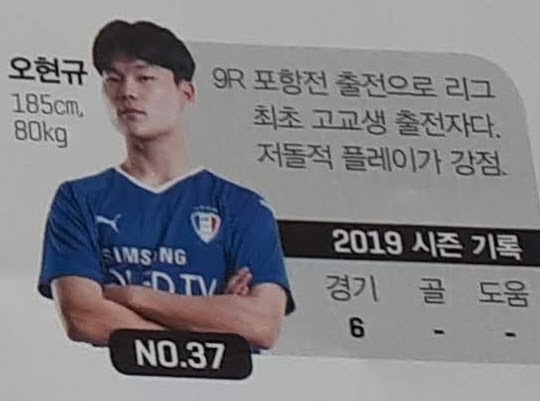
After a lengthy absence the Scottish champions also made a breakthrough in South Korea. A long transfer saga for South Korean international striker Cho Gue-sung ended without a positive conclusion. Yet Celtic were able to clinch a deal for his compatriot Oh, 21, for £2.5 million from K-League club Suwon Samsung Bluewings.
The early signs are positive with all the new captures gaining minutes and adjusting well, especially Oh, who has scored twice and looks settled in his new surroundings.
While it’s highly unlikely the likes of world known brands Samsung or Toyota will offer millions in sponsorship deals – although the team in green in white will undoubtedly shift quite a few shirts after gaining a fresh batch of followers in Asia – the Glasgow club has established a recognised pathway for players to develop and thrive at a club which regularly competes at the highest level in Europe.
The prospect of an end of season tour in Japan will boost the club coffers and further increase awareness of a team which still retains support from the days of the iconic Nakamura.
Whether the transfer policy remains after the departure of Postecoglou, who declared that he’s not going anywhere in the immediate future, has yet to be decided.
It would be counterproductive and quite frankly a complete waste of time, money and effort to stop tracking potential talents especially considering the accomplishments of the Asian players in the current squad.
The obvious benefits outweigh the drawbacks, particularly if Celtic scour the K-League further.
It’s baffling that more than 10 years passed before Oh became the third South Korean to wear the green and white hoops.
The over exaggerated physicality and combative nature of Scottish football will not be obstacles for Korean players accustomed to an intensely competitive, stamina sapping rhythm in the top tier of their own national championship. Without resorting to stereotypes, application and adhering to instruction will not be barriers for the vast majority that venture overseas from Korea. Representing a foreign club is regarded as a major honour in itself, something Oh has already underlined in various interviews in Scotland.
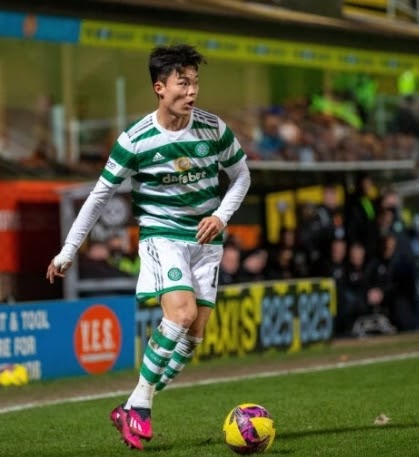
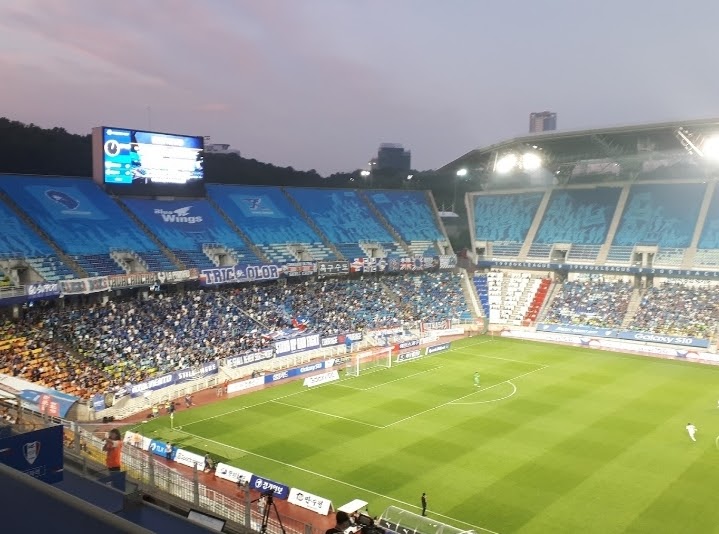
It’s easy to conjure random names out of nowhere but midfielders Hwang In-beom (Olympiacos) and Hong Hyun-seok (Gent) both have all the requisite on field characteristics to further their careers at Celtic. Emerging central defender Lee Han-beom (FC Seoul) and winger Yang Hyun-jun (Gangwon FC) will also be on a list of potential targets to follow Oh to Glasgow.
The young attacker will certainly not be the last Korean to don the hoops but keeping the Japanese stars in Scotland could prove a complex assignment.
The inevitable flow of speculation connecting Furuhashi, Hatate and Maeda forms a steady stream that predictably leads to the EPL.
Even accounting for the overhyped and overpriced false idols in the world’s most marketed league, the stellar trio’s value should not be underestimated. Furuhashi could easily command more than the record fee of £25 million that Arsenal shelled out for Kieran Tierney in August 2019. Hatate and Maeda are comfortably worth at least 10 times more than Celtic paid for them.
Despite the prospect of a hefty jump in salary, not that they are on peanuts at Celtic, it seems limiting to aspire to life at a mid to lower level EPL club that will never come anywhere close to winning a trophy. Football and loyalty rarely coexist but substituting success, albeit with a huge wage increase, surely shows a lack of ambition. Germany, Spain and Italy are also attractive if not quite as lucrative destinations.
It’s not impossible that like Nakamura the skilful triumvirate want to prove themselves in the Champions League with Postecoglou before eventually moving on.
Regardless it’s important Celtic don’t sell themselves short again as the cut price £7.5 million deal for Croatian international full-back Josip Juranović to Union Berlin exemplified.
The progress of Takehiro Tomiyasu (Arsenal) and Kaoru Mitoma (Brighton and Hove Albion) could also push the cost of Japanese players into a different price category entirely.
There might not be the bargains available now in the long term.
Hearts (Yutaro Oda, and previously Ryotaro Meshino on loan) and Motherwell (Riku Danzaki) have also brought in Japanese players while Rangers, who also had a firm interest in Cho, will be exploring options in Asia. The reality of the increasingly depressing money game means the possibility of moving on to new nations should not be ruled out. Geography should not play any factor in the next treasure hunt.
Georgia, Vietnam, Thailand and Uzbekistan could provide the next generation of gifted youngsters.
The jewel in the crown would be locating and nurturing the first Chinese global superstar.
Just as South Korean legend Cha Bum-kun and Japanese pioneer Yasuhiko Okudera made their names in the 1970s and 80s in the Bundesliga, it can’t be much longer before a trailblazer emerges from the most populous country in the world.
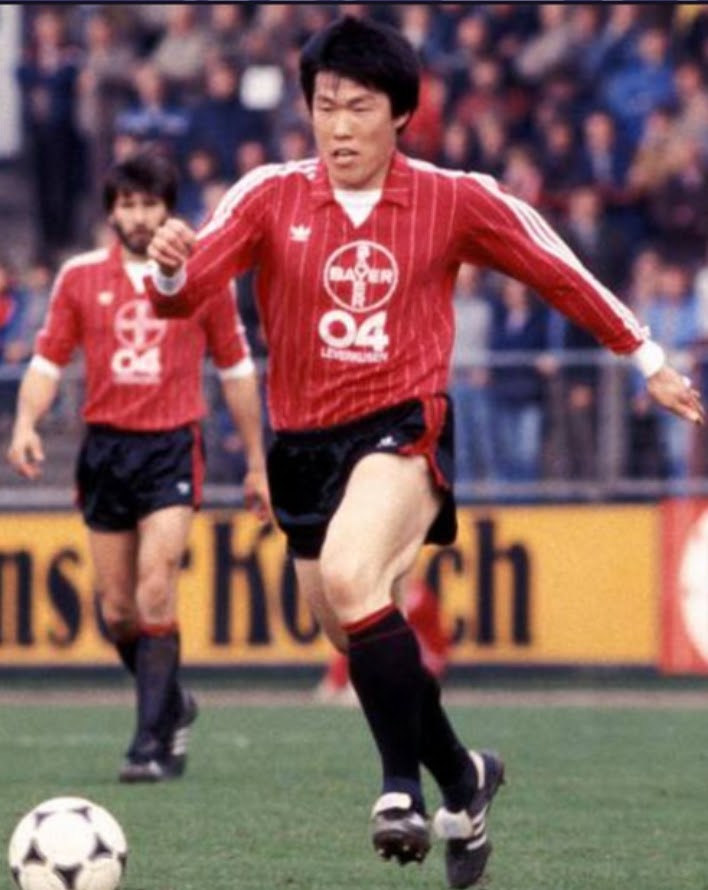
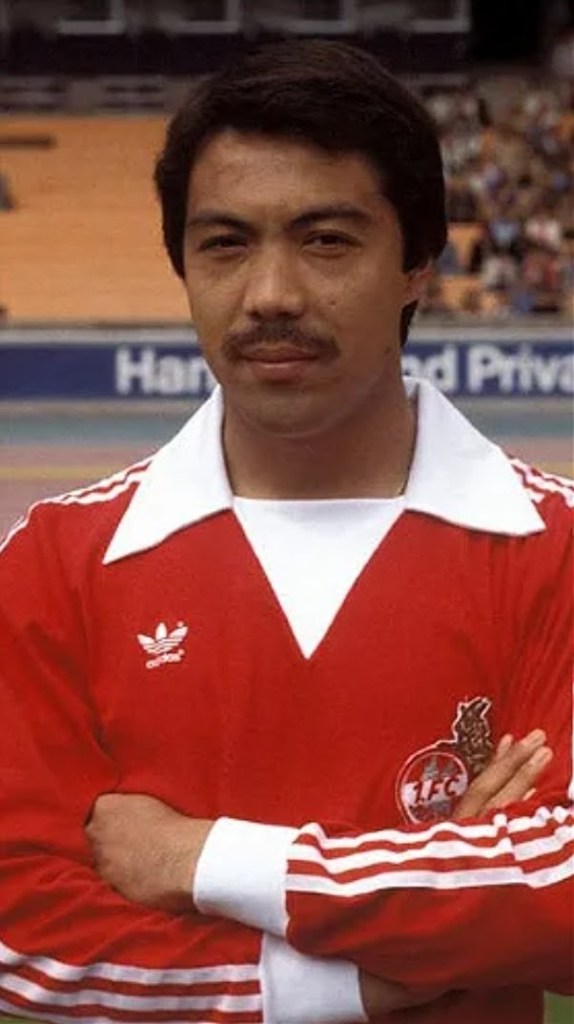
It would be an extraordinary discovery if Celtic could crack the code that has confounded everyone in football for decades.
Yet for now the Glasgow club should be content with their unprecedented talent acquisition project in Japan and South Korea.
 Stephen Kasiewicz
When the recruitment department followed the managers advice on players. Actually I take that back. Ange probably made all the phone calls and negotiated the contracts himself. There’s no way these players were brought in by anyone else at the club.
LikeLiked by 1 person