
Director: Park Chan-wook
Starring: Lee Byung-hun, Son Ye-jin, Lee Sung-min, Yeom Hye-ran, Park Hee-soon, Cha Seung-won
Country of Origin: South Korea
Running time: 2h 19m
When forced to stare into the abyss do we recognise our own reflections?
Master director Park Chan-wook creates mirror images in unconventional places as characters pause to contemplate exactly who they are looking at.
From boxes to shower heads, and even inside a shot glass, the angles offer a fresh perspective on how we really view ourselves.
The first impression is one of a beleaguered man whose comfortable world is turned upside down.

After 25 years working at Solar Paper, loyal worker Yoo Man-su (Lee Byung-hun) is unceremoniously sacked when new American owners slash staff as part of cost cutting measures.
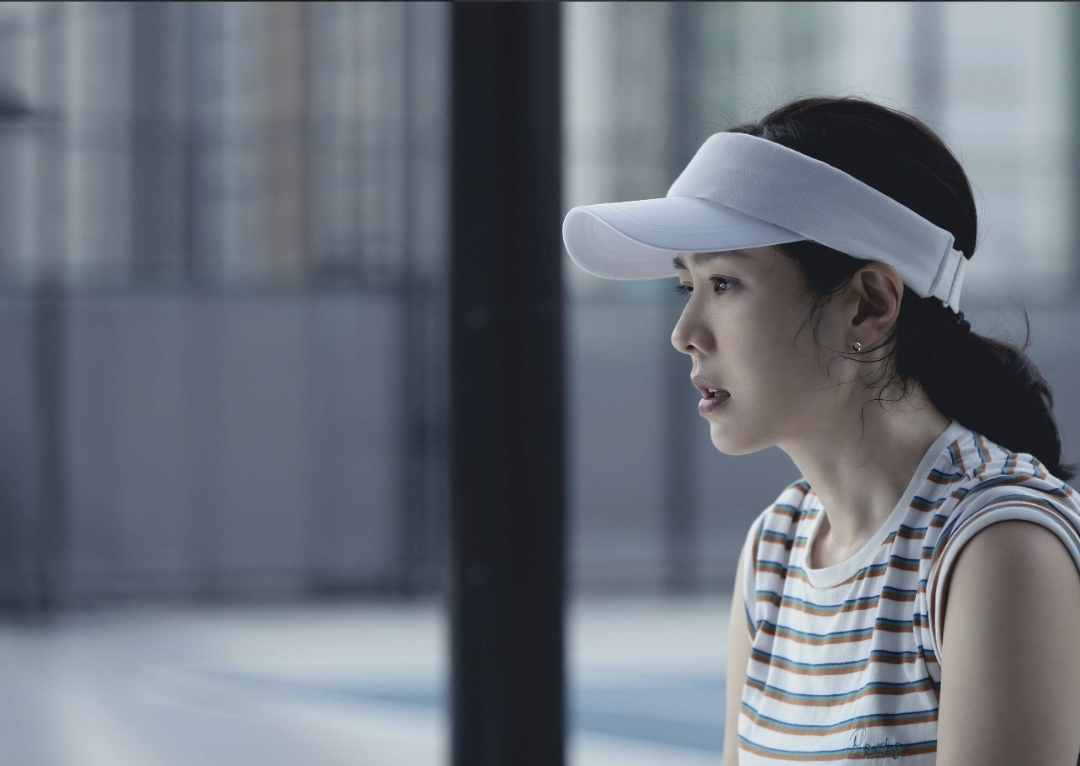
From a life of domestic bliss with his stay-at-home wife Mi-ri (Son Ye-jin), children Si-one (Kim Woo-seung) and Ri-one (Choi So-yul) and two dogs in his spacious childhood home everything gradually unravels.
Despite winning a prestigious award in the paper industry he is reduced to shifting boxes in a warehouse 13 months after being sacked.
The family adopts a frugal lifestyle by selling off possessions, Mi-ri stops her tennis classes, young cello genius Ri-one’s lessons are scrapped, and they cancel their Netflix subscription.
Man-su reaches a breaking point when he is embarrassed at a job interview for the Moon Paper company by manager Choi Seon-chul (Park Hee-soon).
As debts mount and the prospect of selling his beloved home becomes a reality, he devises a desperate scheme.
Man-su creates his own fabricated paper company to identify the best candidates for employment at Moon Paper with the intention of bumping them all off.
Fuelled by revenge he also targets Seon-chul as the desire to return to his opulent way of living overtakes any rationale in a final attempt to return to his chosen profession.
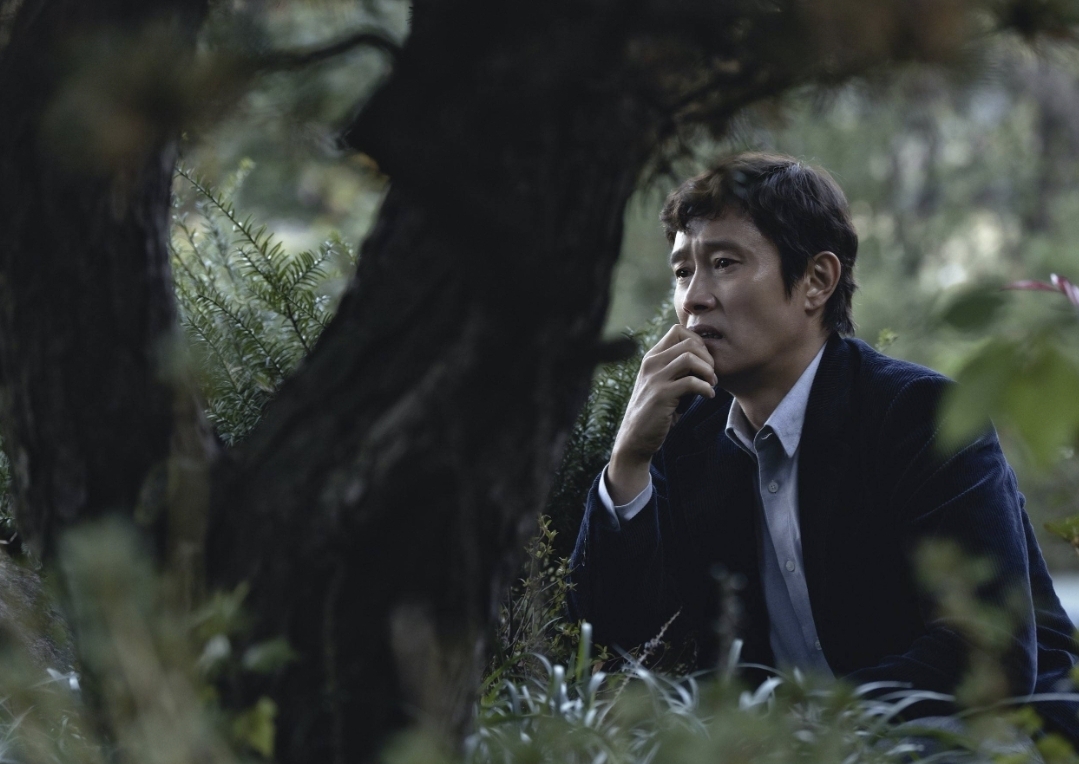
In what develops as a searing study of humiliation, the tension becomes almost suffocating as we are left to question if Man-su will actually follow through with his deadly plan.
Lavishly shot, with the family home a character in itself – an all-knowing, all watching entity which conceals a phalanx of secrets – No Other Choice examines the consequences of the relentless onslaught of Artificial Intelligence (AI) in the workplace.
In the often-brutal South Korean company hierarchy, there have been genuine cases of employees over the age of 40 being replaced with younger, seemingly more aesthetically suitable candidates.
Yet in a rapidly changing environment there might be no need for any human workers at all.
In an early scene Man-su joins a group of older men as they are coached into repeating a set of empty motivational phrases in a class for those recently laid off.
It’s a depressing yet faintly comic tone setter. Sprinkled into the overwhelmingly bleak narrative are moments of colour and whimsy that temporarily illuminate the darkness.
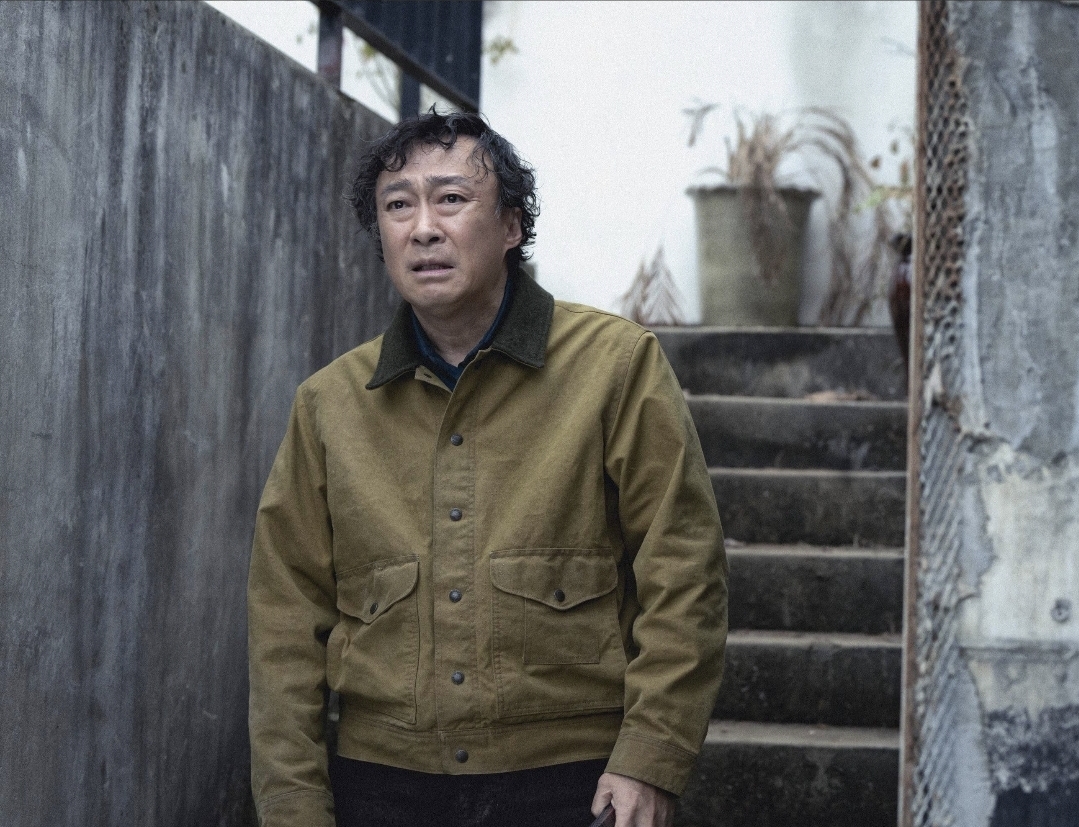
There are plenty of comic interludes as the bumbling Man-su stalks his first victim Gu Beom-mo (Lee Sung-min). An industry heavyweight that loves vinyl records and every infinitesimal part of the paper taking process, Beom-mo degenerates from a dedicated craftsman into a flatulent bum in his remote house after losing his job.
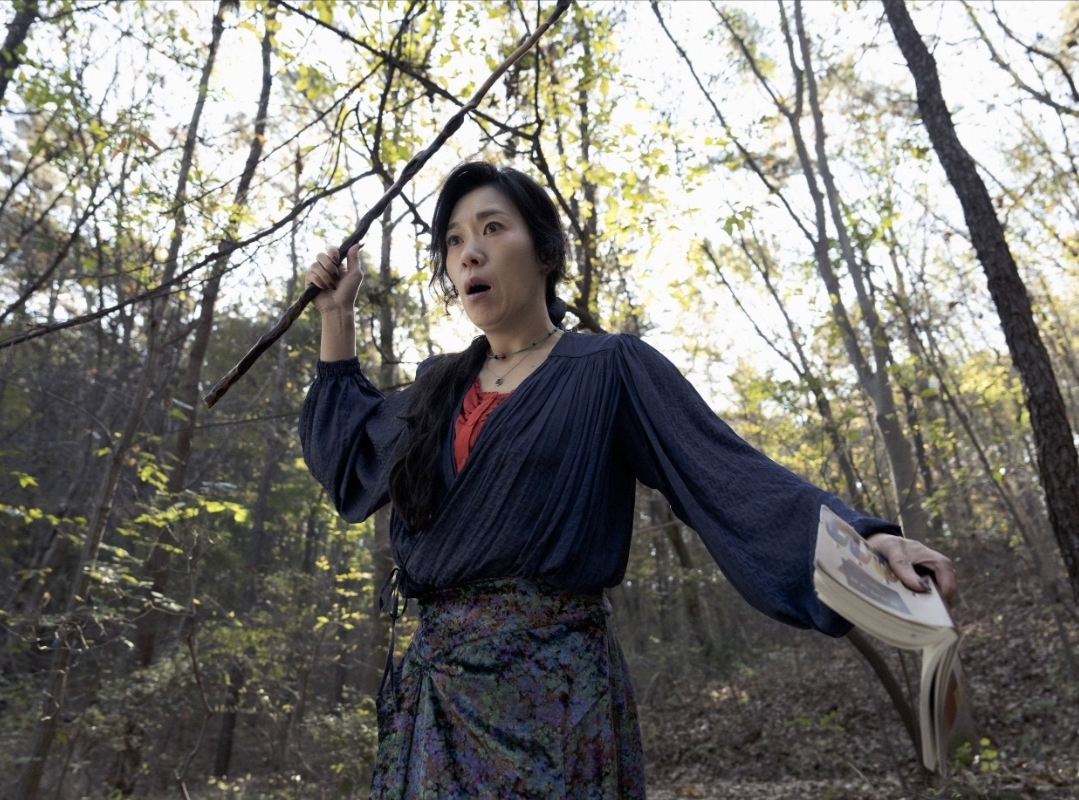
This infuriates his exuberant aspiring actress wife Lee A-ra (Yeom Hye-ran) who becomes a hilarious obstacle in Man-su’s master plan.
The most preposterous and entertaining scene in the whole film occurs when the trio get mixed up as Cho Yong-pil’s retro classic Red Dragonfly blares out in the background.
As well as posing questions about materialism – there’s an irony in the family ditching Netflix when the streaming service has so negatively affected cinema attendance – there is the constant juxtaposition of intrusive modern technology and old-fashioned media.
Man-su’s existence revolves around paper in an increasingly high-tech environment, and he frequently writes notes to memorise on his hand.
Yet he cannot escape the omnipresent smartphone – a constant link to the harsh truth of his situation – with frequent video calls from his wife that almost ends his great idea before it becomes a reality.
Oh Dal-soo plays a world-worn detective who states that a phone contains everything in a person’s life. It’s a simple but deeply profound summation.
There’s no hiding place in a society where CCTV cameras monitor every move – they are plentiful in South Korea – but don’t feature significantly in a film that leans heavily on the idea of the unstoppable advance of machines.
The impact of social media influencers – a common feature in contemporary South Korean cinema – also plays a small part in the proceedings.
Whether used to make a statement or not, the noticeable use of CGI, especially to beautify the family garden and Man-su’s precious greenhouse, acts merely as an augmentation rather than an overwhelming presence.
Thankfully, AI hasn’t replaced humans on screen yet and hopefully never will.
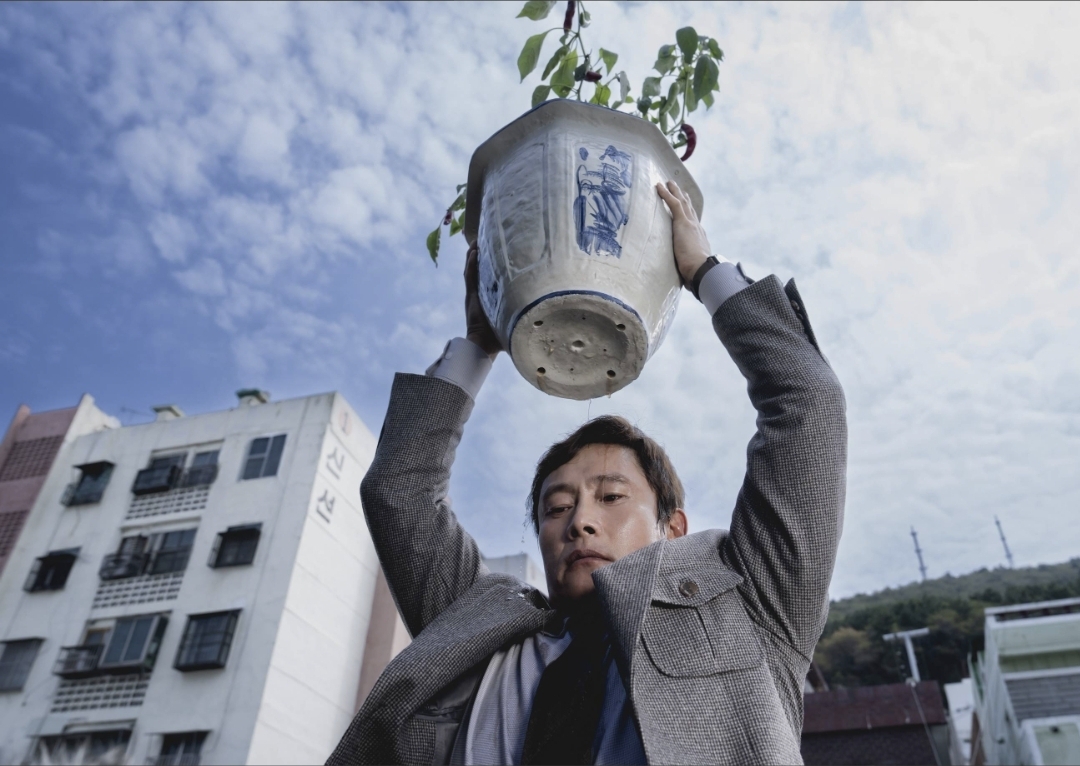
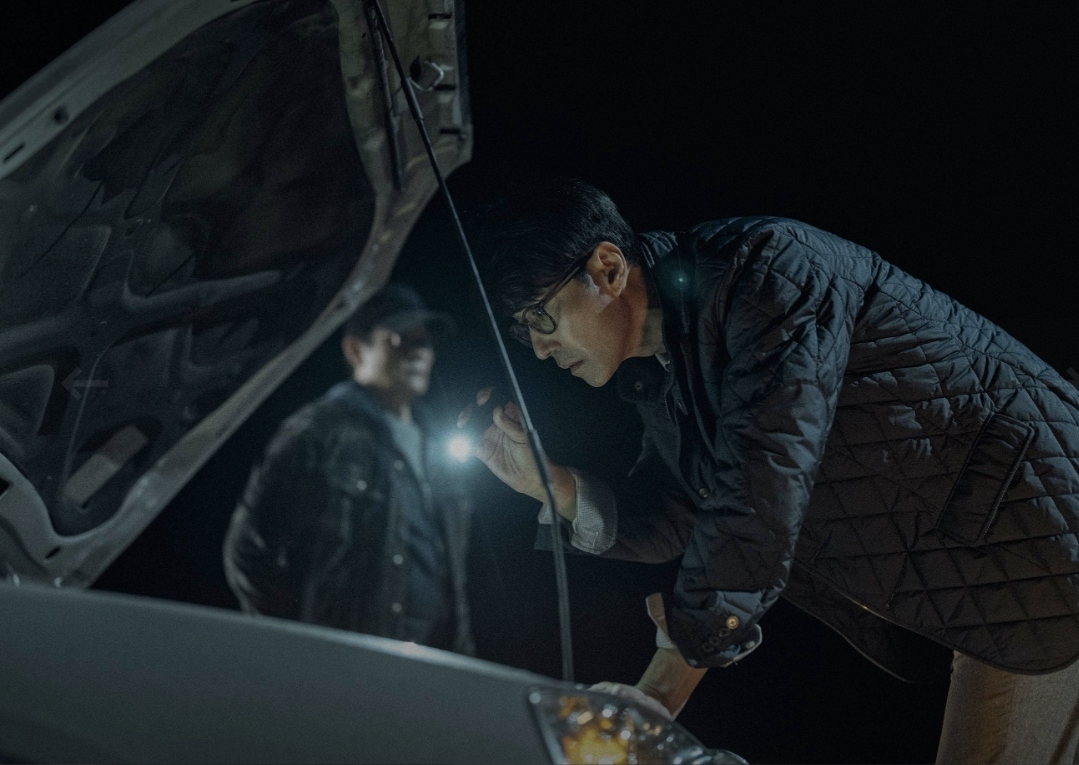
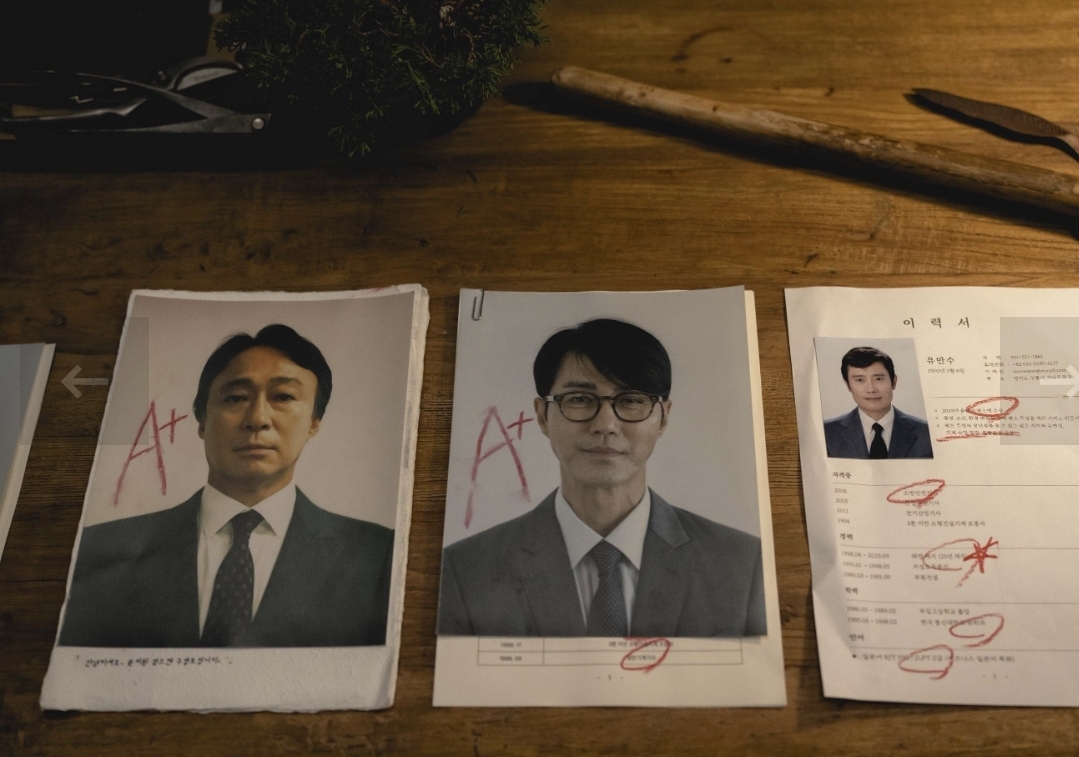
Park Chan-wook’s grand status as one of the South Korean’s greatest directors ensures he can call upon any of the nation’s finest performers.
No Other Choice, which is based on the Donald Westlake book The Ax, would not be quite as startlingly potent without a handful of exceptional protagonists.
It almost seems redundant to use superlatives to describe Lee Byung-hun, yet his portrayal of a man pushed to the brink is nothing other than radiantly persuasive.
There are elements of disbelief, desperation, and amorality in a marvellously varied performance (brace yourself for a sequence which includes a brutal way to address a nagging toothache).
Equally Son Ye-jin enhances an already gleaming reputation with a richly diverse display as a mortified wife who transitions from distrust to acceptance and eventually collusion in the face of losing everything.
Among a myriad of secondary characters and sub-plots – which include Man-su’s wayward son, his incredibly talented on the spectrum daughter and a whole host of family drama – Yeom Hye-ran not only steals scenes but runs away with them.
As the flamboyantly theatrical wife of Man-su’s opening target she is magnificently over the top, as an exasperated partner with a dark side.
She plays such a pivotal and unexpected role in deciding whether Man-su’s plan of action is successful or not that it slightly overshadows everything else that follows.
In a film that features stunning cinematography, beautiful cuts as scenes overlap and fade into each other – a shot of Man-su and Mi-ri placed back-to-back in different states of distress acts as a compelling portrait of the entire story – it’s the strength of the acting that underpins everything.
Anyone familiar with Park Chan-wook’s magnificent filmography – Joint Security Area (2000), Sympathy for Mr Vengeance (2002), Oldboy (2003), and The Handmaiden (2016) are all must watch movies – will already know that he is unafraid to tackle provocative themes and ideas.
From infidelity to domestic abuse, nothing is out of bounds in another classic which interweaves past and present while making salient points about the new digital age.
@skasiewicz.bsky.social
 Stephen Kasiewicz