
Bits and pieces. Odds and ends. All different shapes and sizes.
A scattered mish-mash of parts that couldn’t possibly fit together.
Finding ways to click things into place, learning after every failed attempt and starting again.
The joy of Lego was in the creativity. Fashioning a spaceship from the squares and oblongs or placing a solitary wheel on a combination of bricks to make a futuristic motorbike.
An out of place head on a rectangle plate and legs on an oversized chunk of varying colours.
The silliness and endless fun of it all.
Recollections of hours spent playing with a container of the ingeniously devised Danish blocks were mostly confined to childhood.
It’s only been in the past few years while living in America that I became aware of the Lego resurgence.
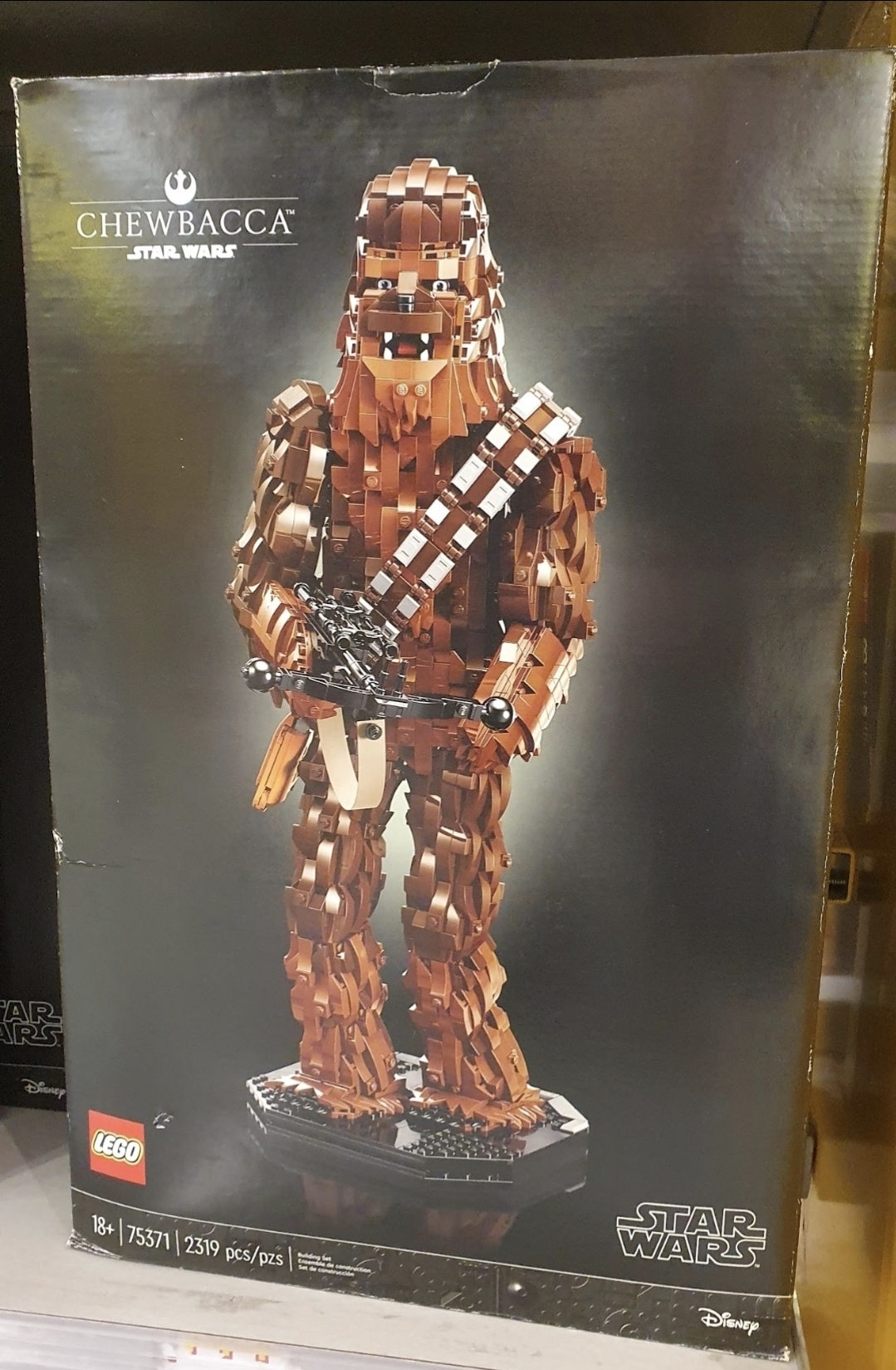
Phenomenally detailed sets tied in with Harry Potter and Star Wars, intricate arranged flowers or wonders from across the world on sale at Target or Walmart often with eye-watering price tags.
A new range of films including The Lego Movie (2014) signalled that the Scandinavian brand was back after a period of decline.
Those of a cynical disposition – I probably fall into that category – might question the mass commercialisation of something that should remain untouched and unaltered.
A little research uncovered that without the Hogwarts and Millenium Falcon sets, the big screen outings and a large scale out of the box strategy Lego might not exist at all.
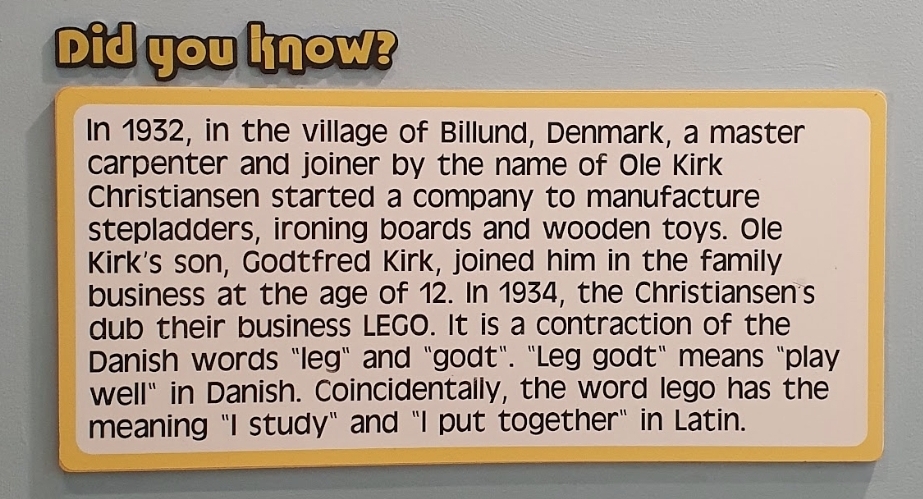
Another part of the grand plan was theme parks – although it doesn’t appear that they played a significant role in the Lego revolution – with the first unsurprisingly located in Billund, Denmark, way back in 1968 and another in Windsor, England in 1996.
The thought of trekking down south from Glasgow to the brick and block world was never a consideration, nor was watching the film about the wee men with the funny heids and bodies.
Yet circumstances change and sometimes it’s better to go with the flow and do things you wouldn’t normally consider. It’s also worth saying that none of the entries in this series are solo trips. Not everyone wants to be a searchable commodity or have any kind of presence on social media so all the Crisscrossing California jaunts are written solely from my own perspective.
The trip to Carlsbad, a city 35 miles south of San Diego involved a drive down the ever frustrating 405, although I was very fortunate to be a passenger on both occasions.
Upon first glance it’s a rather out of the way place to locate the third Lego, and first American, theme park. Few tourists would have even heard of the city, but it’s a fantastic location for a unique attraction.
This account is based on two different visits in January 2024, although it must be said I felt a little out of place from the get go.
The target audience for the park is children aged two to 12 and particularly those between six and nine years old. A bedraggled old Glaswegian dude is not exactly Lego’s target audience.
That’s not to say that absolutely everything is for a younger generation, there has to be something for the parents and a minority of other elders in attendance.
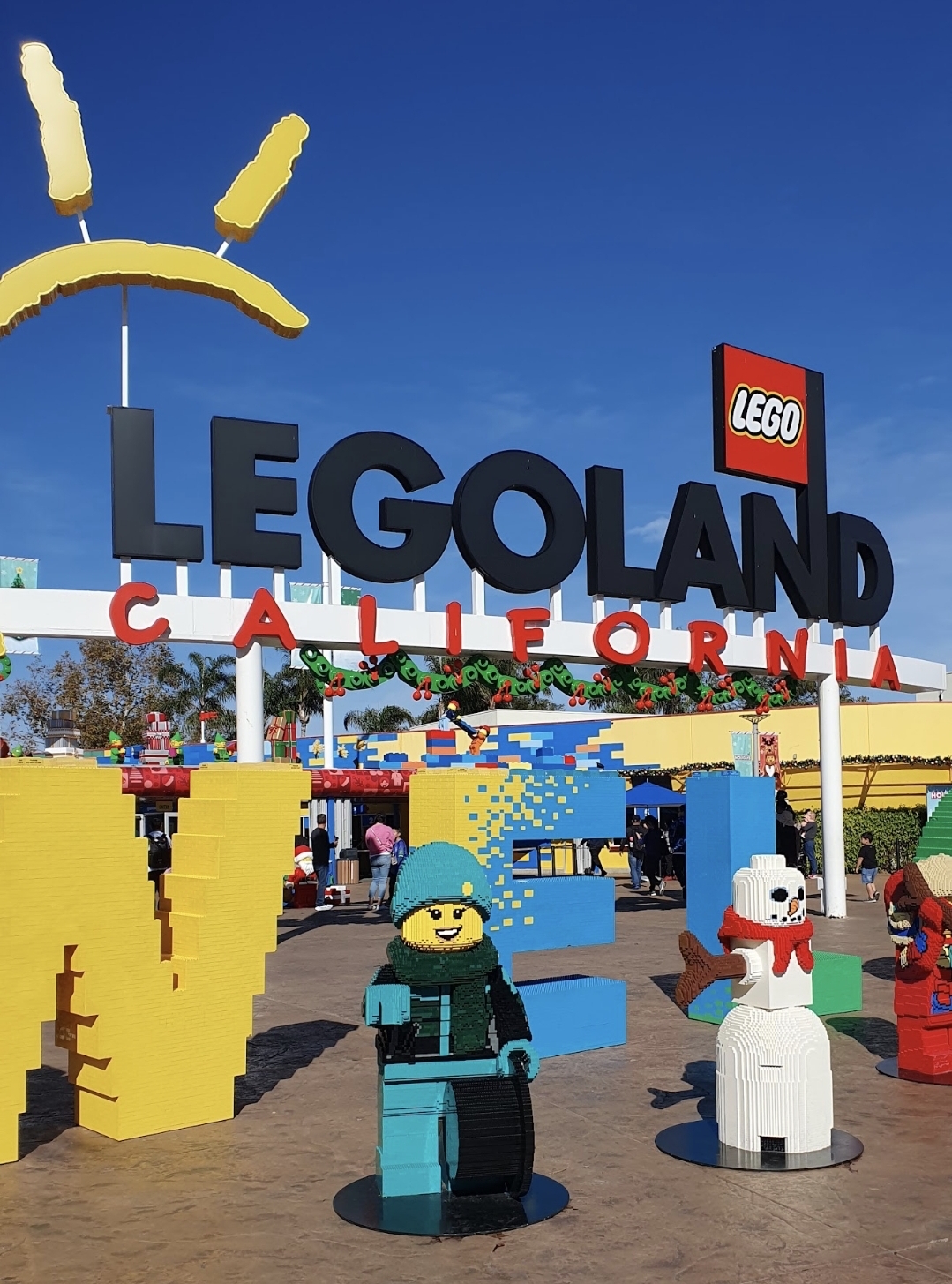
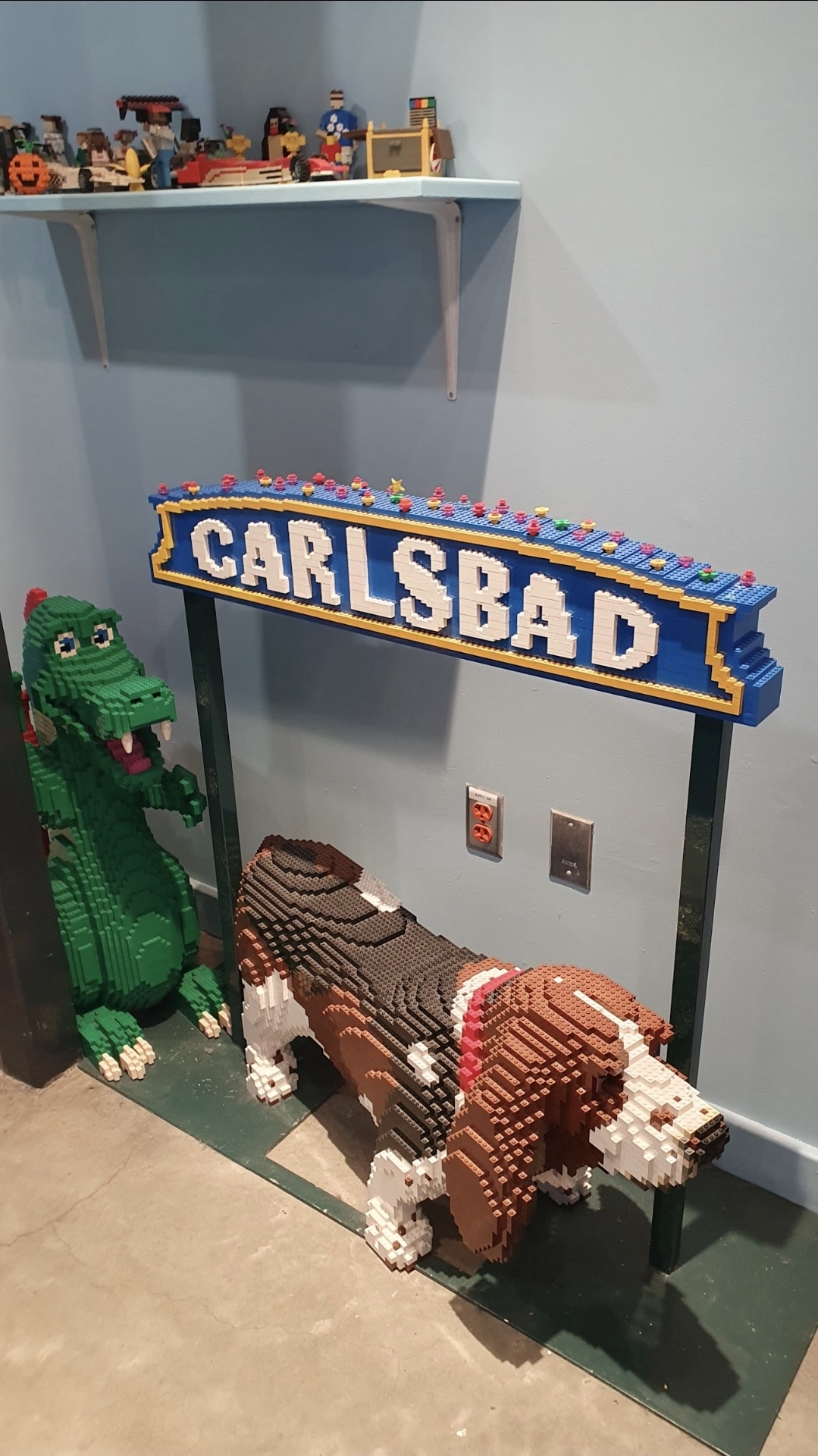
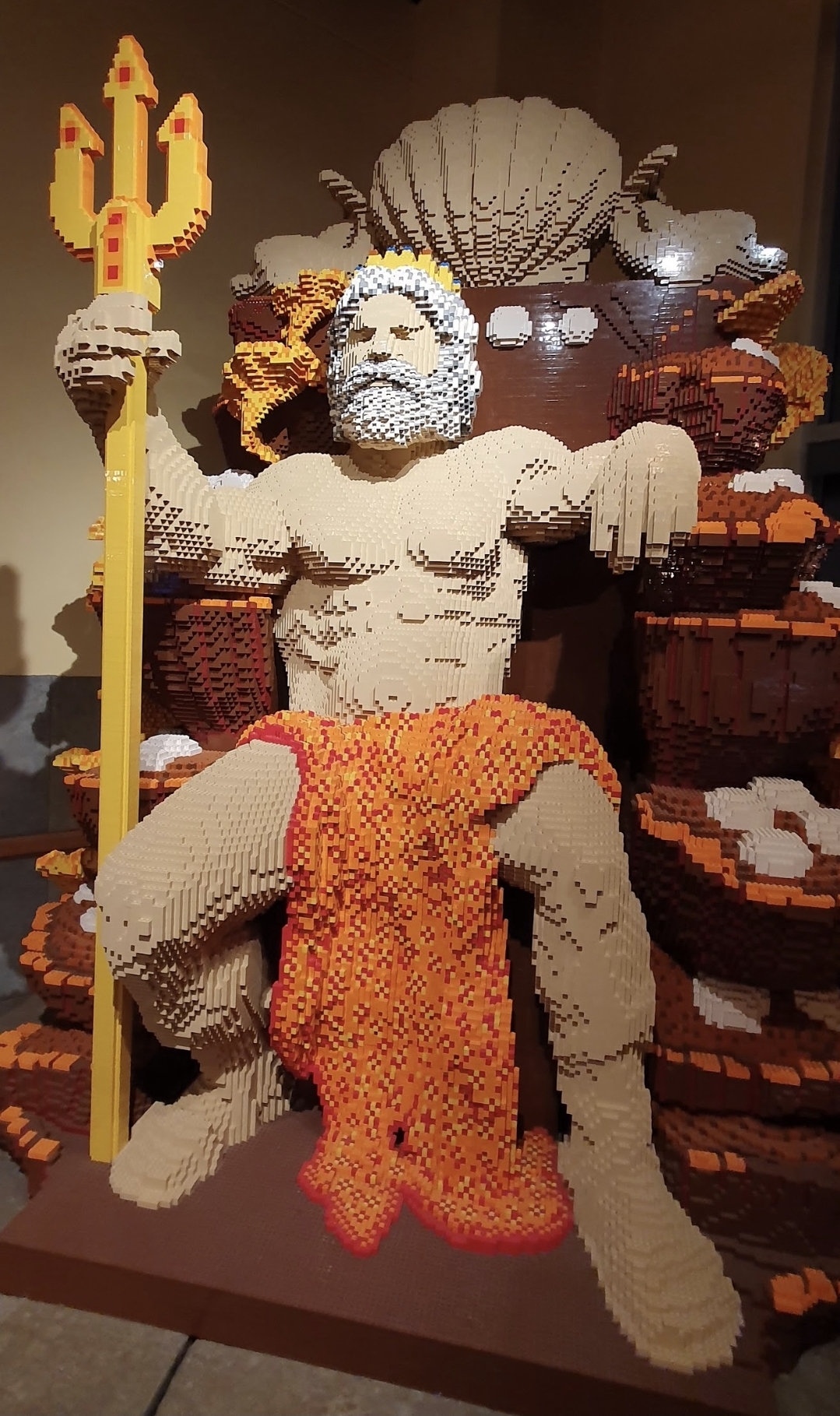
Split into different sections it’s the attention to detail that immediately catches the eye: from the entrance signs to the details of the hotel next to the park to the cornucopia of different statues and monuments constructed entirely from thousands of different Lego pieces.
The only quibble is that I expected some kind of yellow brick road and that everything would be made out of bits and pieces, a rather childish and unrealistic thought, but at least I adopted the mindset of most of the weans roaming about the place.
From the park’s area names alone – Fun Town, Land of Adventure, Pirate Shores and Dino Valley among them – the target demographic is blatantly clear.
There are actually age restrictions, in addition to the height restrictions, for some of the rides, and quite rightly so.
Managing the queues is always one of the first priorities, but the lines were certainly shorter than other more publicized and popular amusement parks.
An interactive Egyptian themed ride, which required shooting the baddies while rolling along at a fairly sedate pace, was an early test of hand-eye coordination. Even at a slowed down speed I didn’t hit the targets with much frequency, but it was enjoyable nonetheless.
The one and only time I ever ventured onto a proper rollercoaster was decades ago at the magnificent Glasgow Garden Festival in 1988 – it’s such a shame the site wasn’t at least partially preserved – and even the thought of going on another filled me with utter dread.
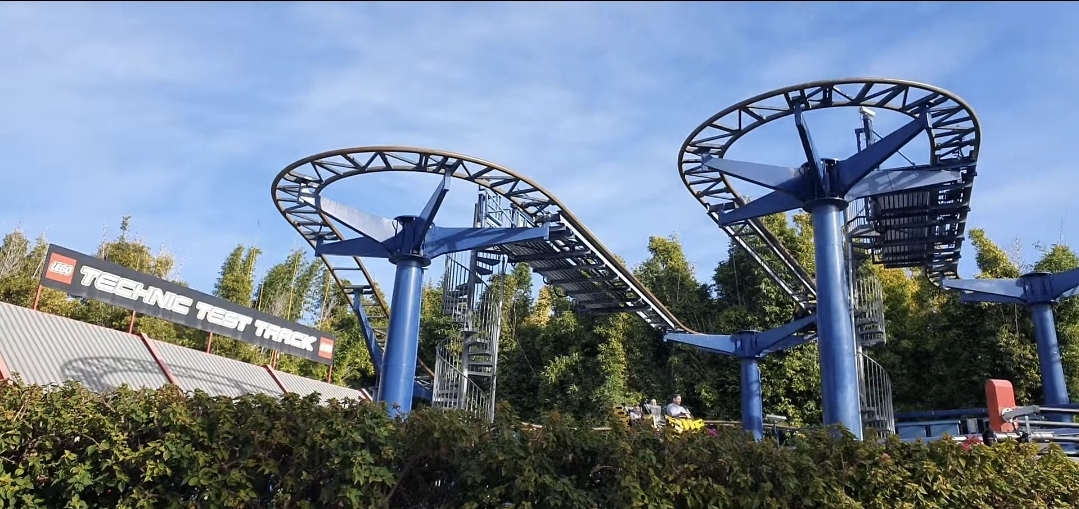
It didn’t take much convincing to ride on a much smaller rollercoaster for kids, yet it was still too fast and frightening for this old codger who let out a pathetic whimper as it sauntered up and down. No hands in the air, just clinging on for dear life with mouth wide open through the jerky turns and unexpected movements.
A little shaken by the experience, a walk through the extensive grounds of the park helped to lighten the mood. The sheer scale of the diverse and brilliant brick block structures made the mind boggle.
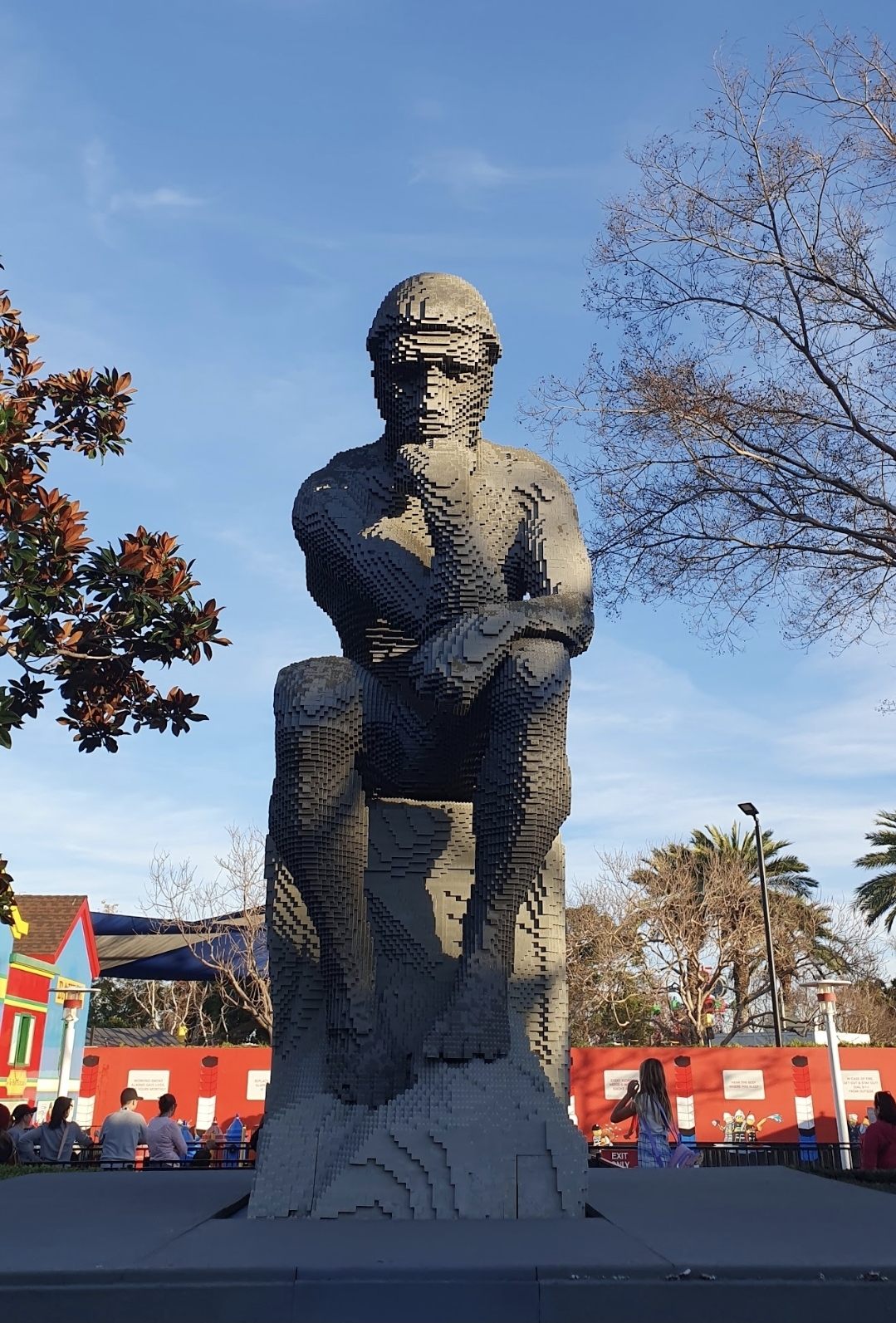
Rodin’s The Thinker pondered just what he was doing among the wee ones, while a wonderfully decorated Christmas tree and humongous cake offered some festive cheer.
A bits and pieces mariachi band stayed in tune despite the chattering and rushing of little feet, while a museum pieced together all the relevant dates and details of the wondrous Danish invention.
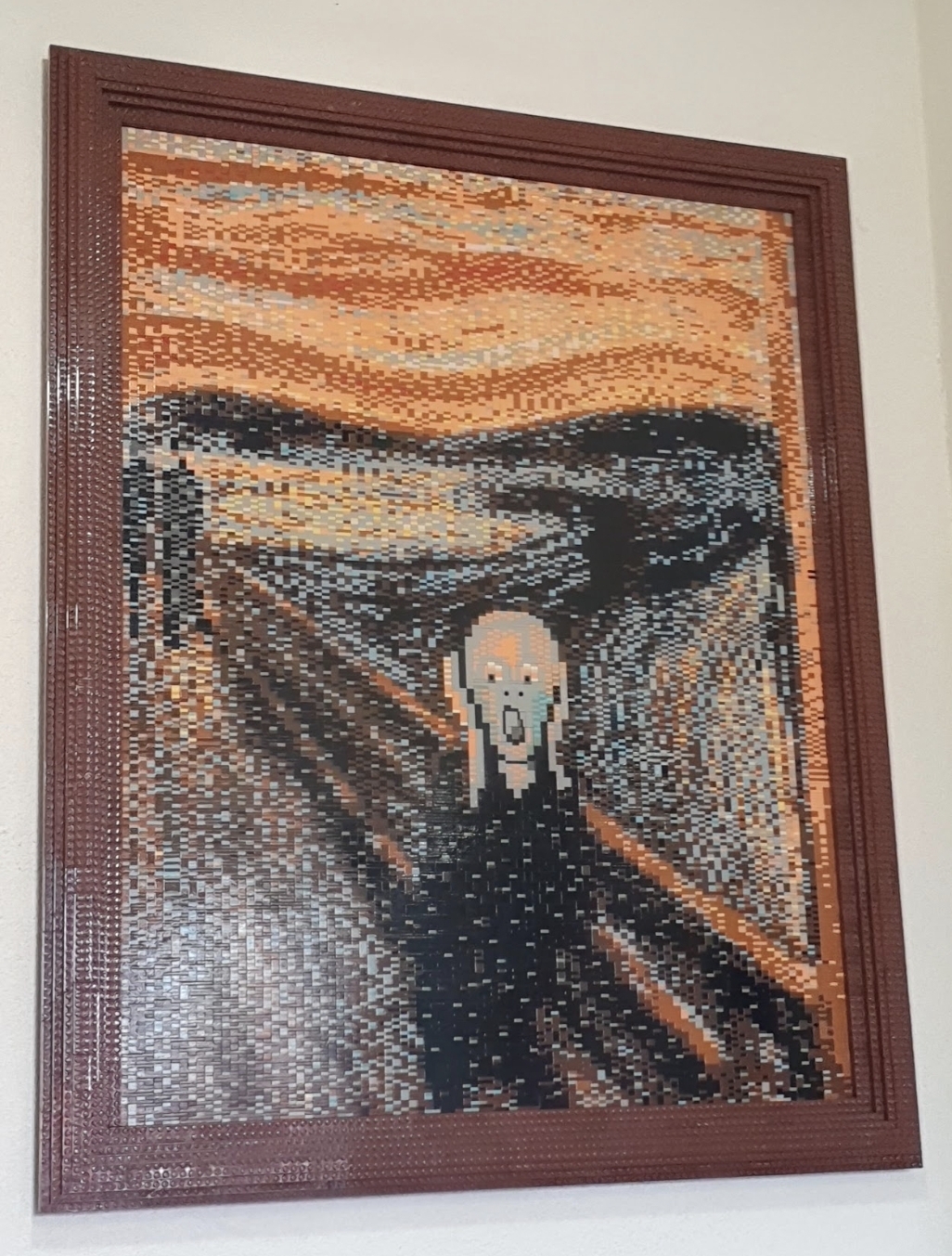
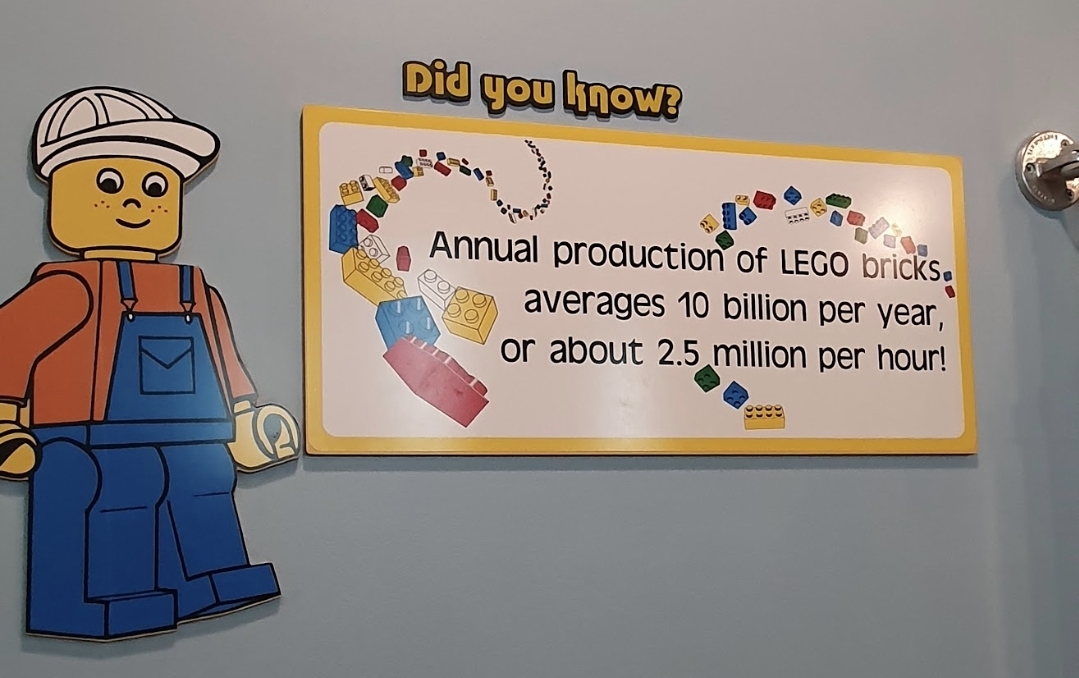
Laid out so as not to bore kids into oblivion, the museum outlined the entire production process with small touches of comedy and irony, a Lego replica of Munch’s The Scream an accurate depiction of weary parents horrified by the prices at the obligatory gift store on the way to the park exit.
A simulated driving ride, complete with streets, traffic lights and intersections, in which only children were allowed to drive the Lego cars, acted as some kind of preparation for the whippersnappers long before they have to endure the nightmarish chaos of the roads in California.
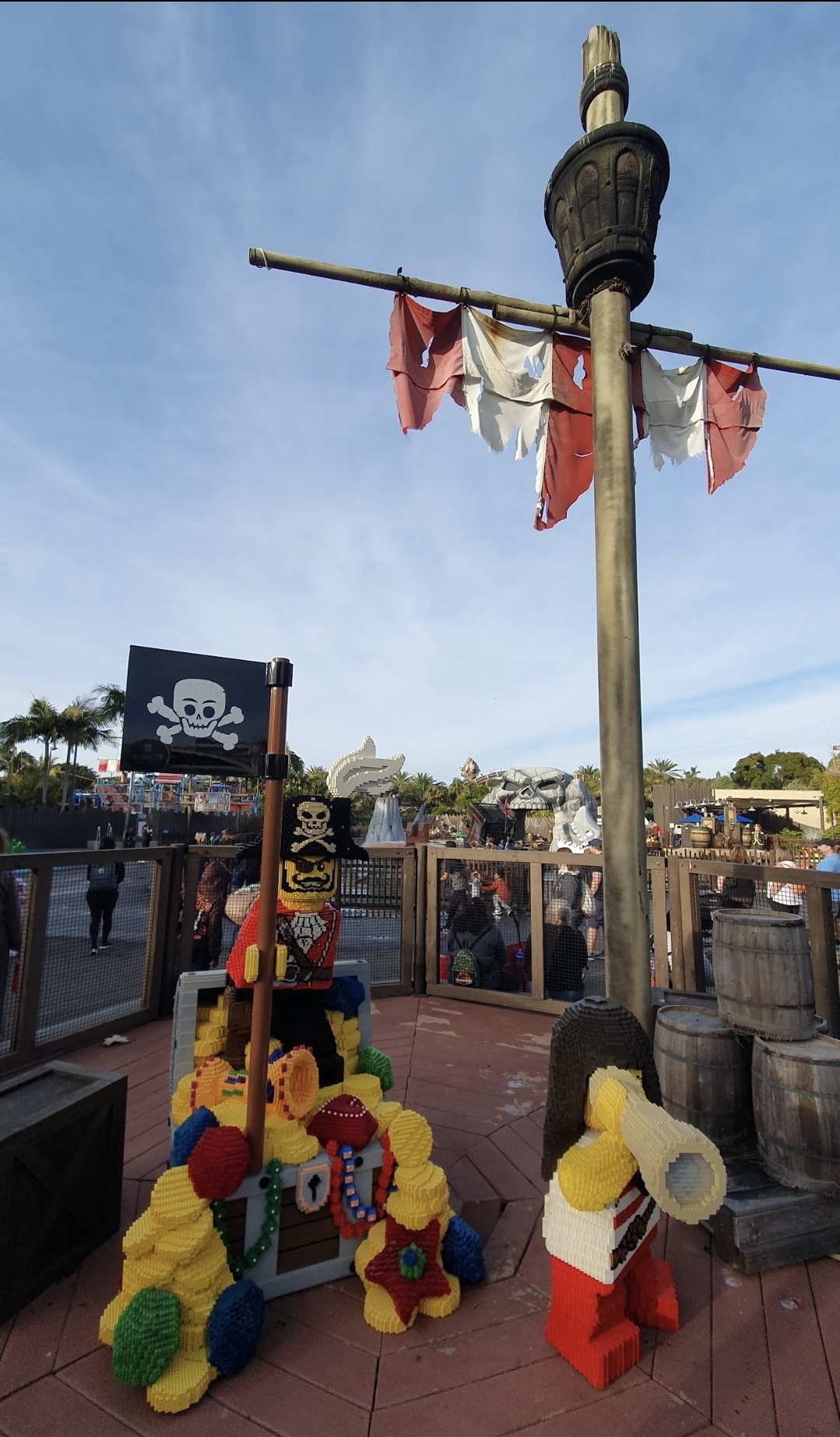
While spraying targets with a water gun from a wee pirate ship – and avoiding a soaking from people around the mechanised track – around the small pool of water was childish, innocent fun.
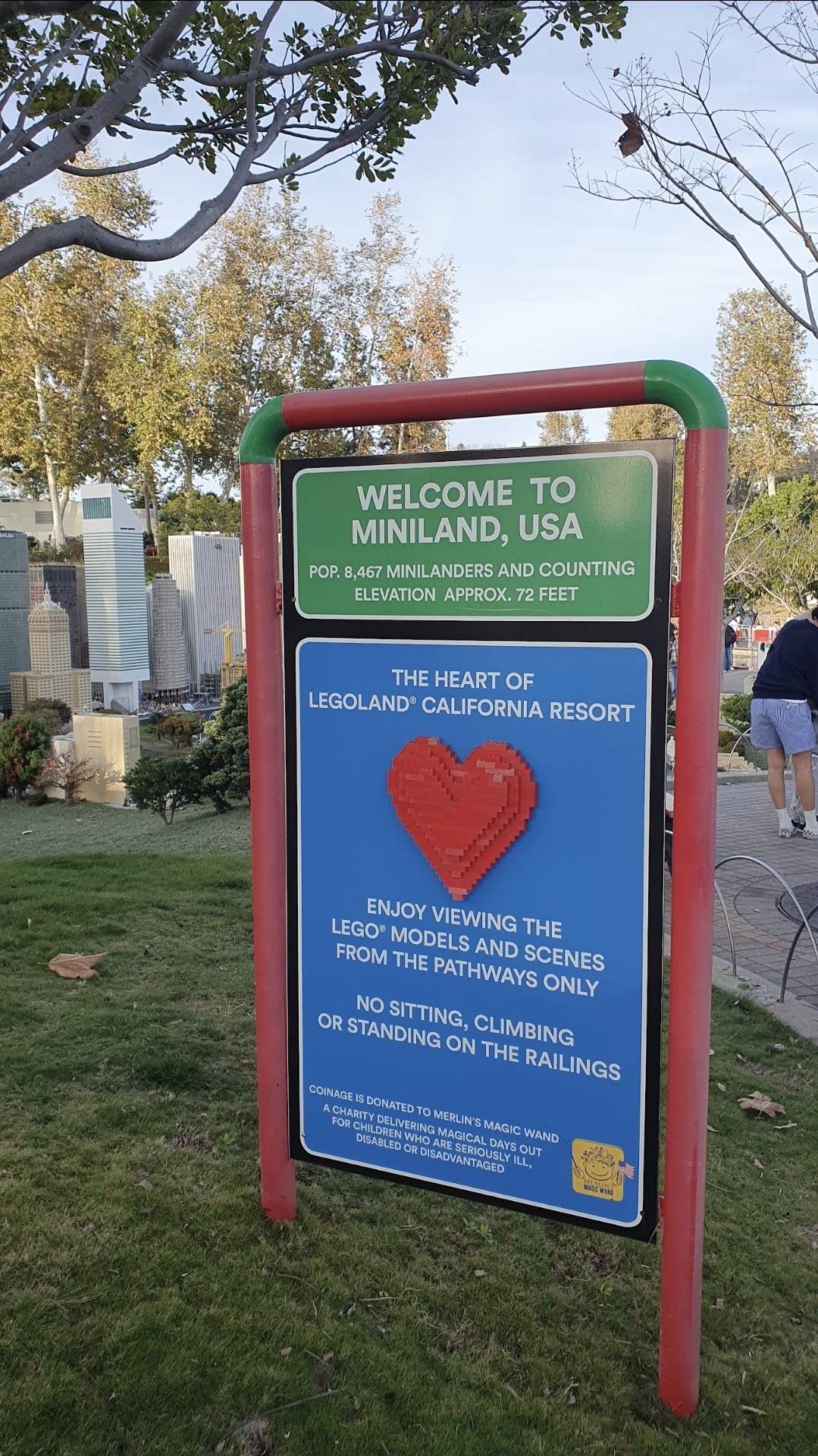
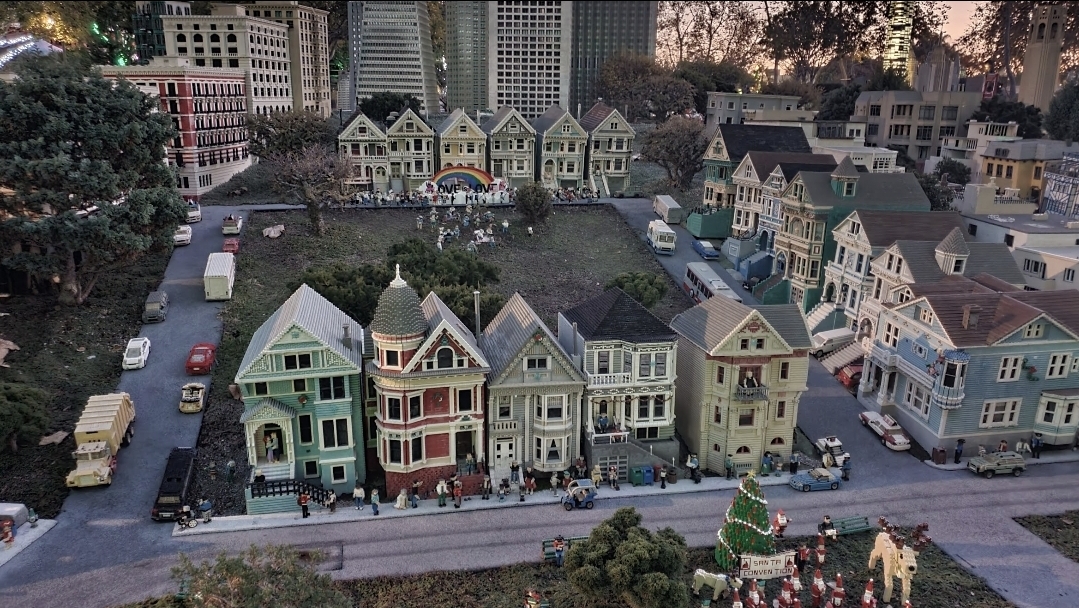
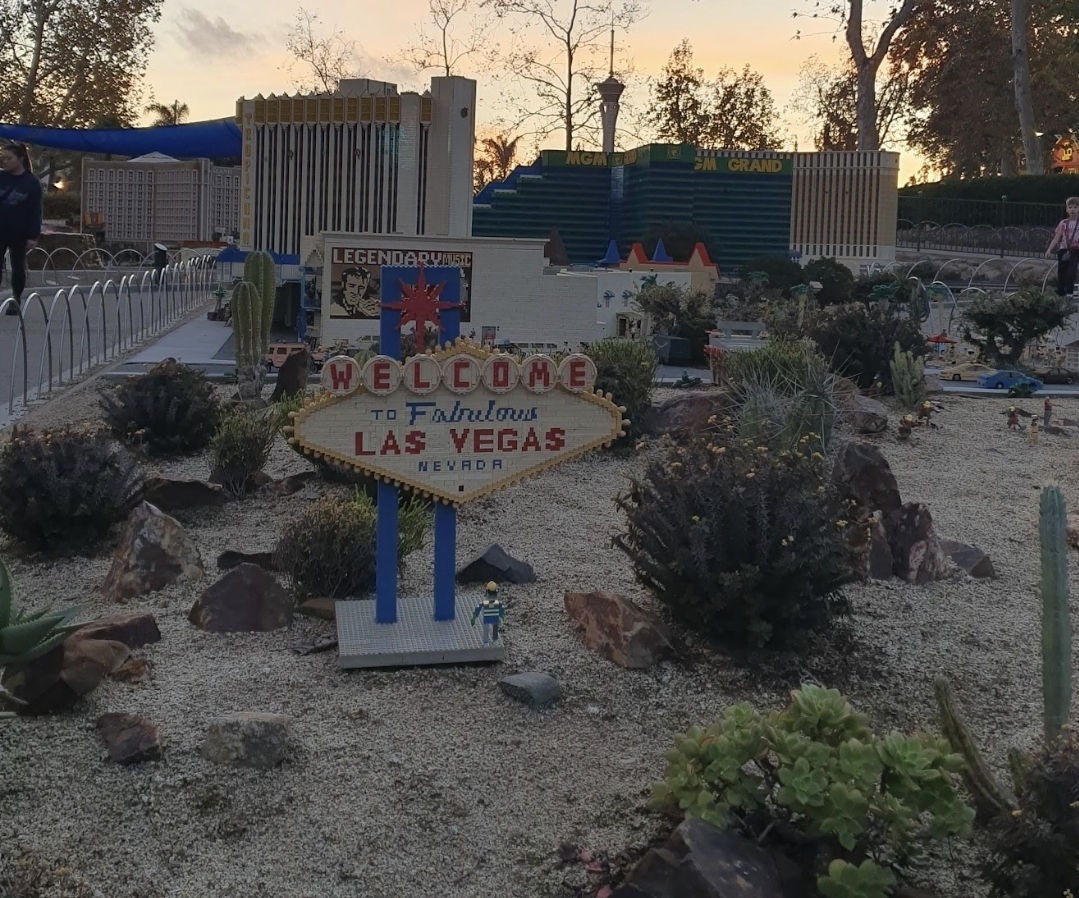
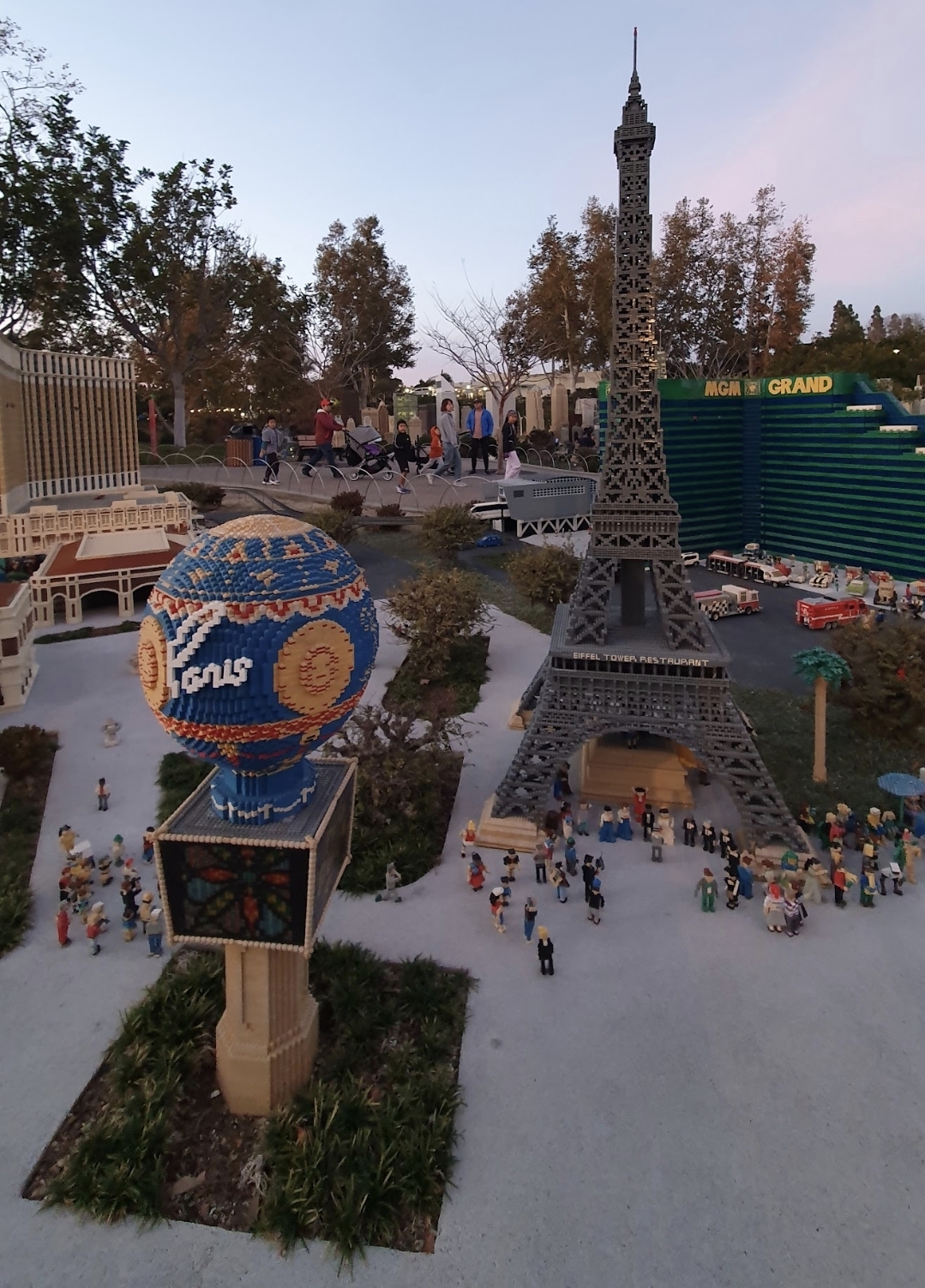
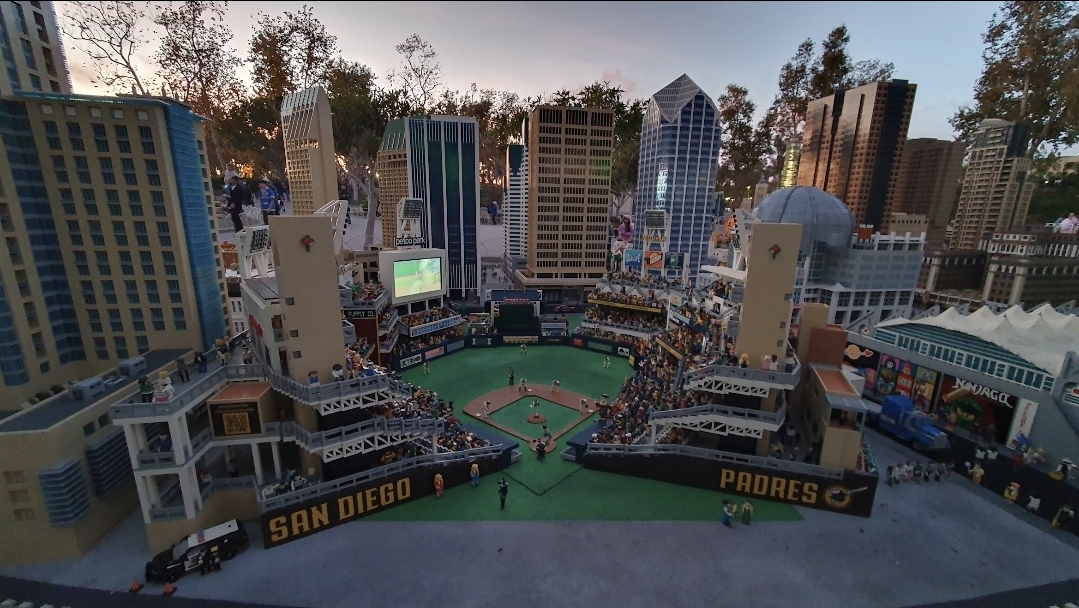
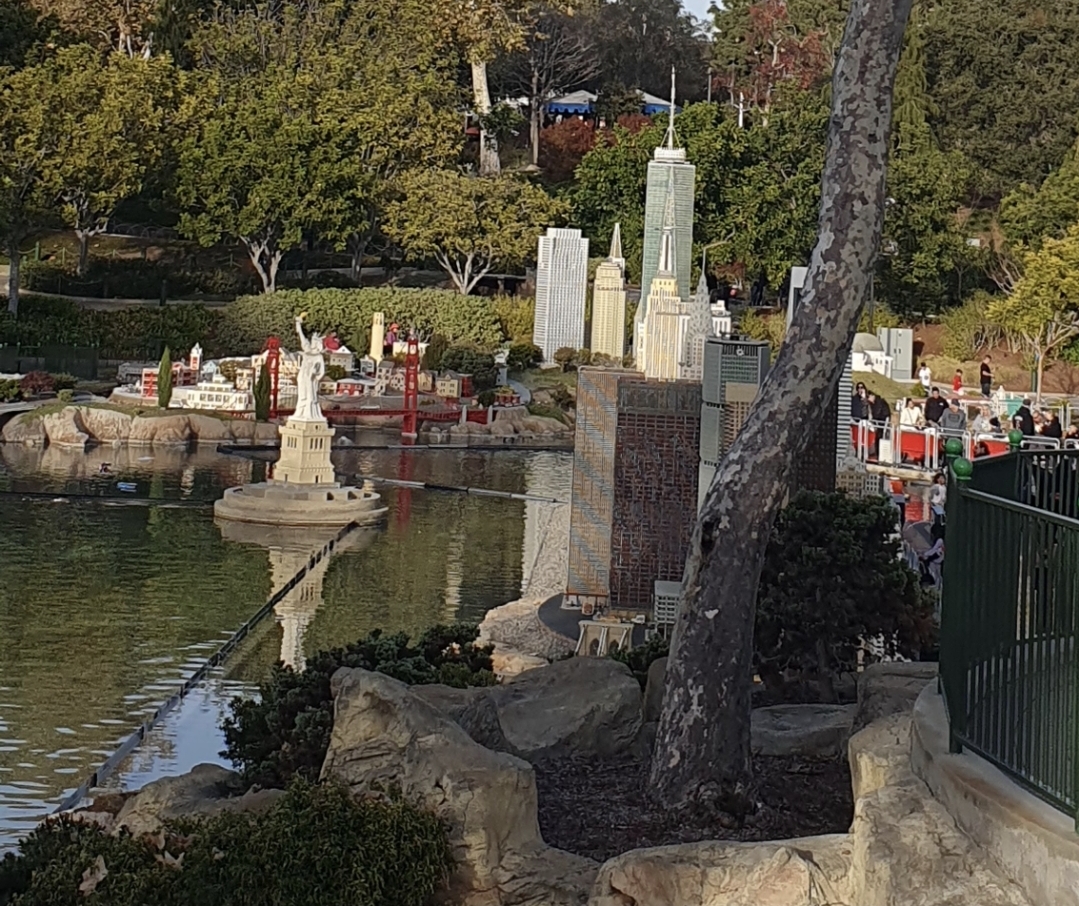
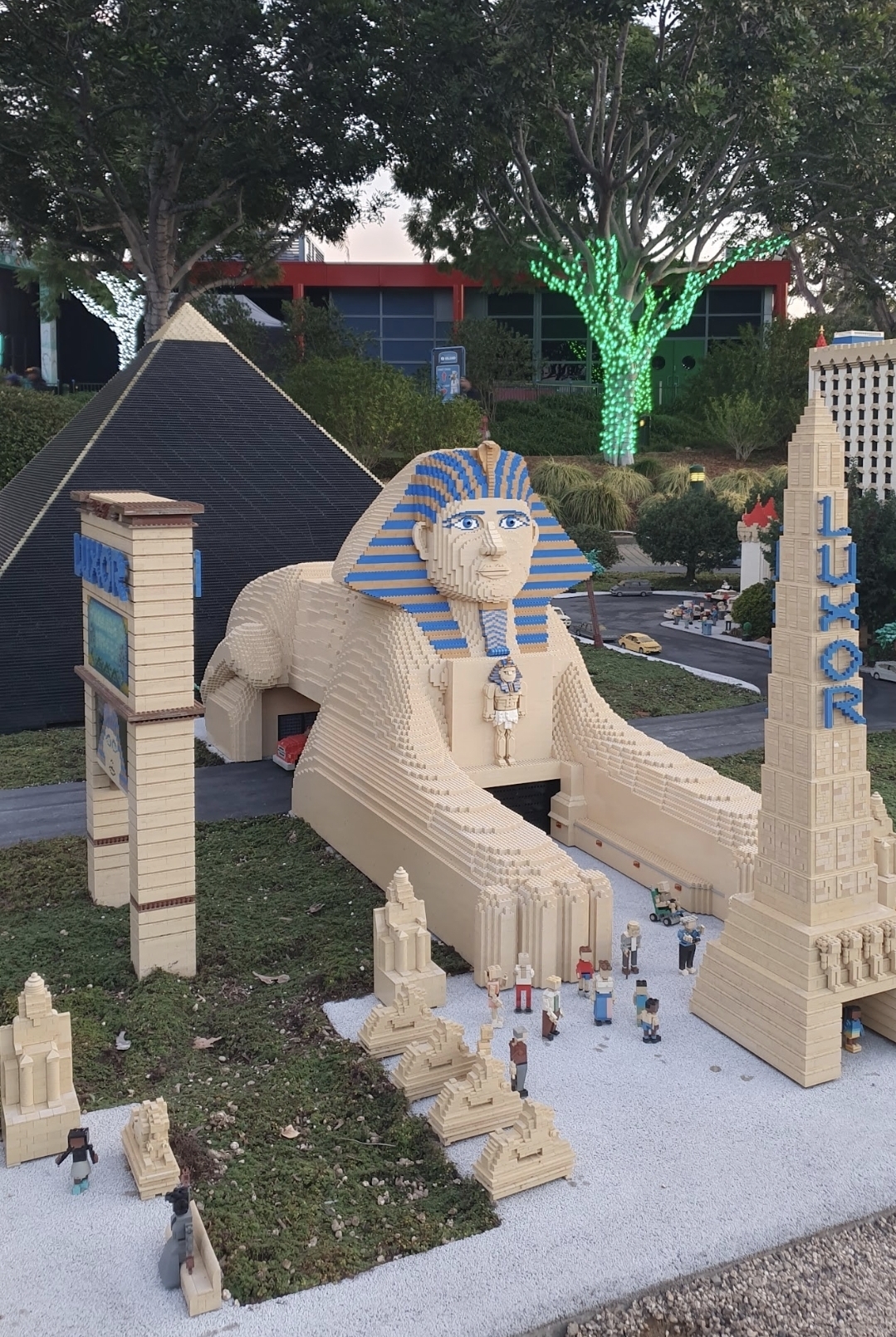
I was particularly tickled by Miniland USA, in which most of this great country had been shrunken down into Lego form. From Las Vegas – a number of famous hotels and landmarks were vividly immortalized in bricks – to San Diego, San Francisco, Los Angeles, New York City, and Washington D.C., everything was brilliantly crafted in miniature.
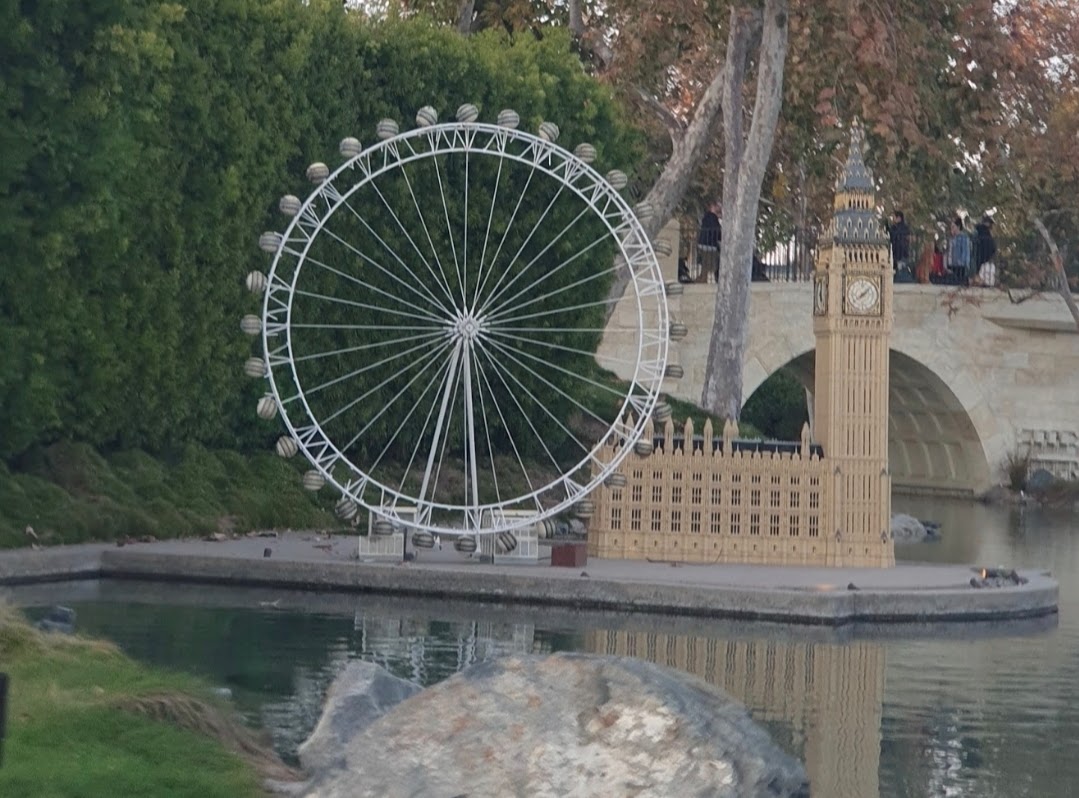
It probably won’t be everyone’s cup of tea, but I also relished a short ride around a man made canal with several world wonders depicted in multicoloured bricks alongside America’s finest.
One of the downsides of the Lego extravaganza is that you cannot bring in proper food – snacks and water bottles are allowed – meaning that you are essentially forced to eat something on site.
I had one of the worst and most overpriced pizzas I can ever recall in the inadequately small seating area. It might have tasted better if it was actually made of lego.
The almost inedible scran aside, a short saunter round Lego Ninjago World and a short movie in the film themed section rounded off a full day which exceeded expectations.
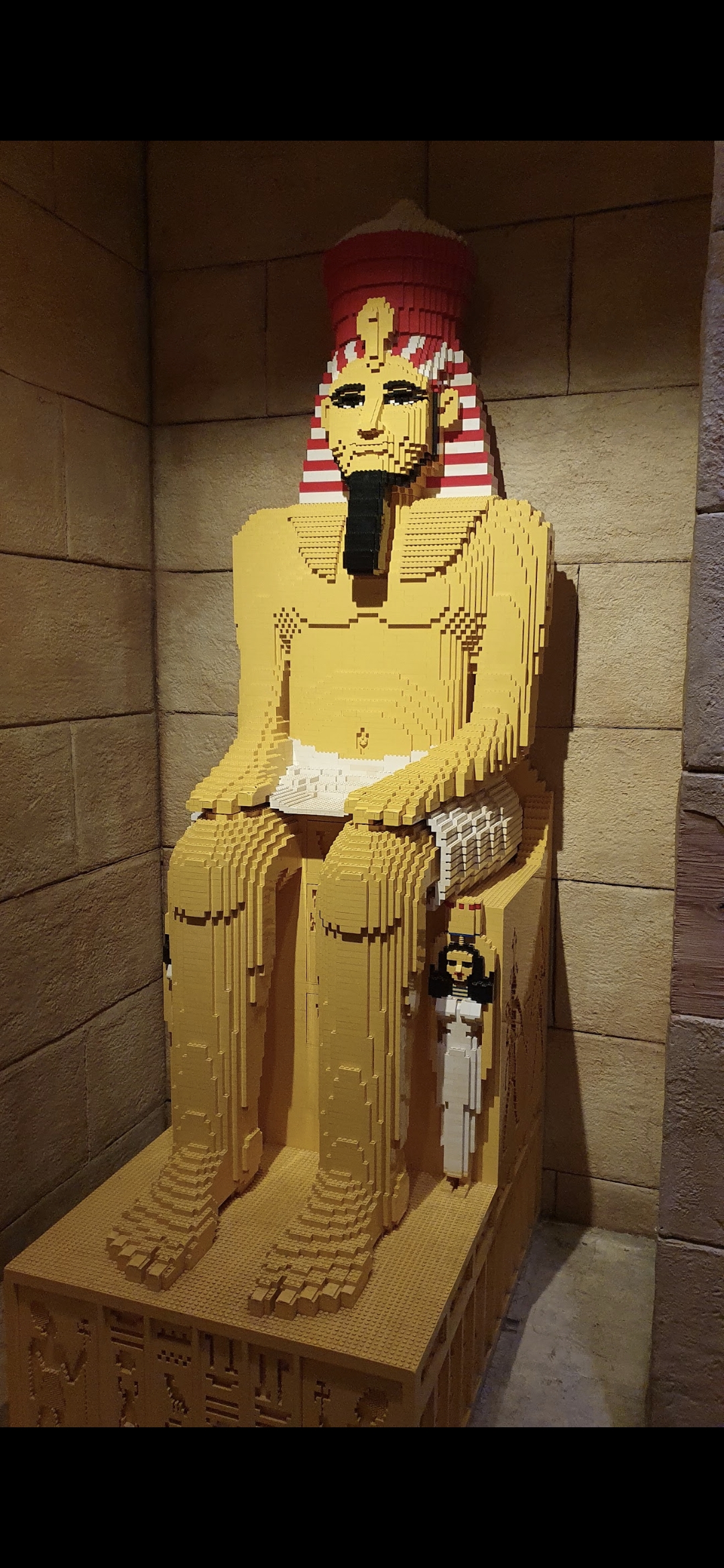
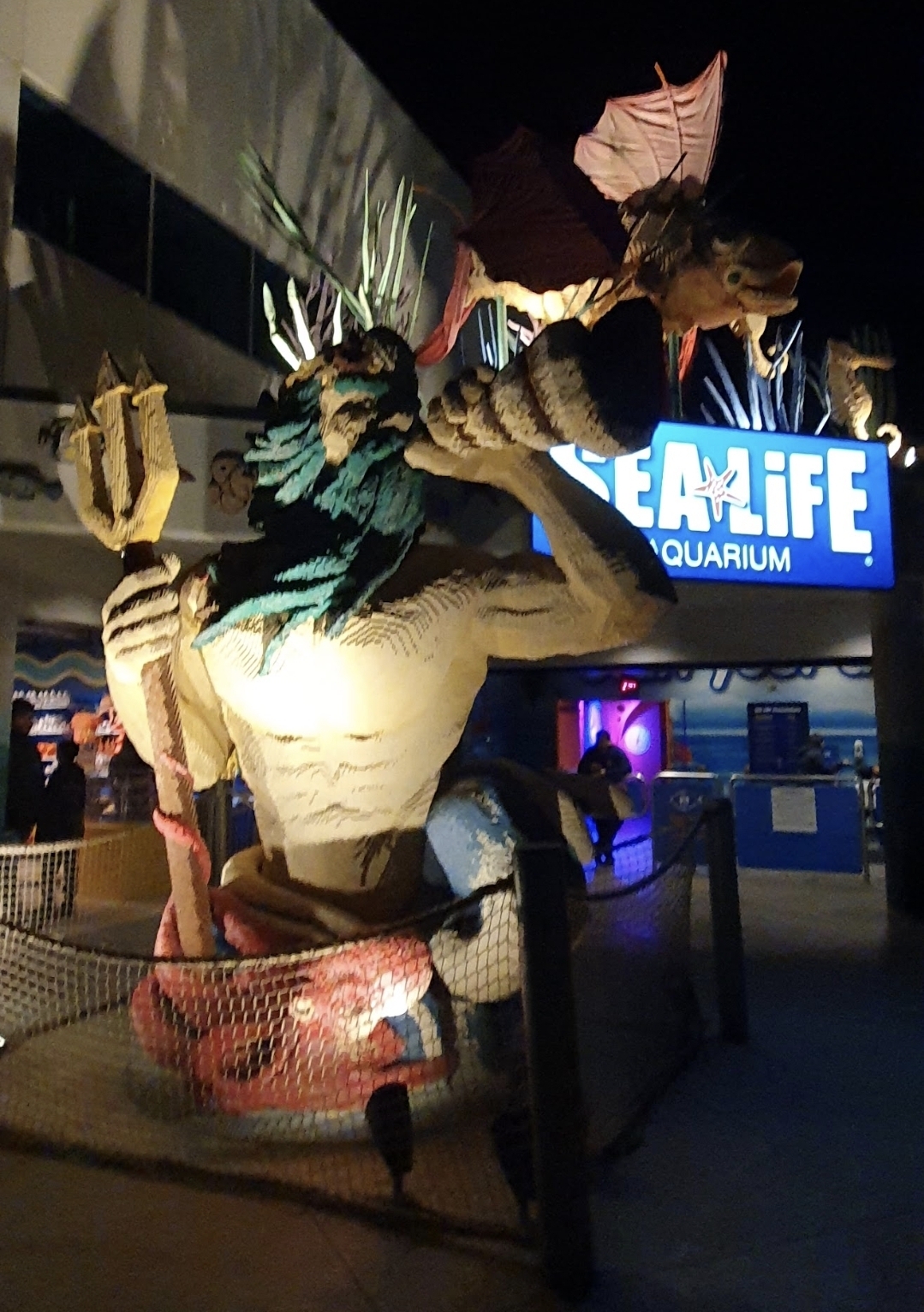
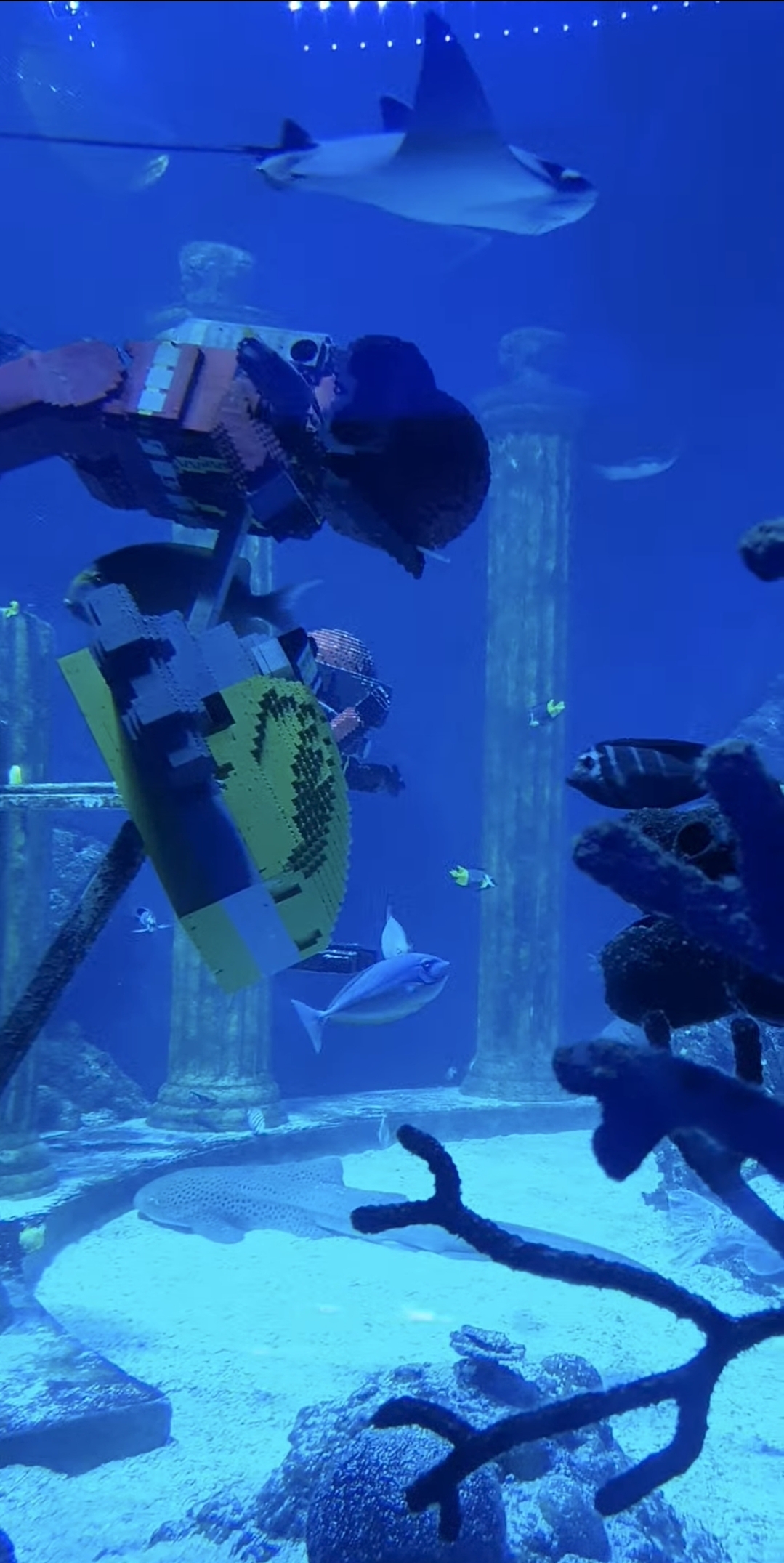
Just before the inevitable stroll through the cash making machine which doubles as the park store a suitably sized aquarium also provided a few highlights. The water wasn’t made of lego, but full sized brick divers looked for treasure as real life sharks and schools of fish slalomed through the bubble infused aqua.
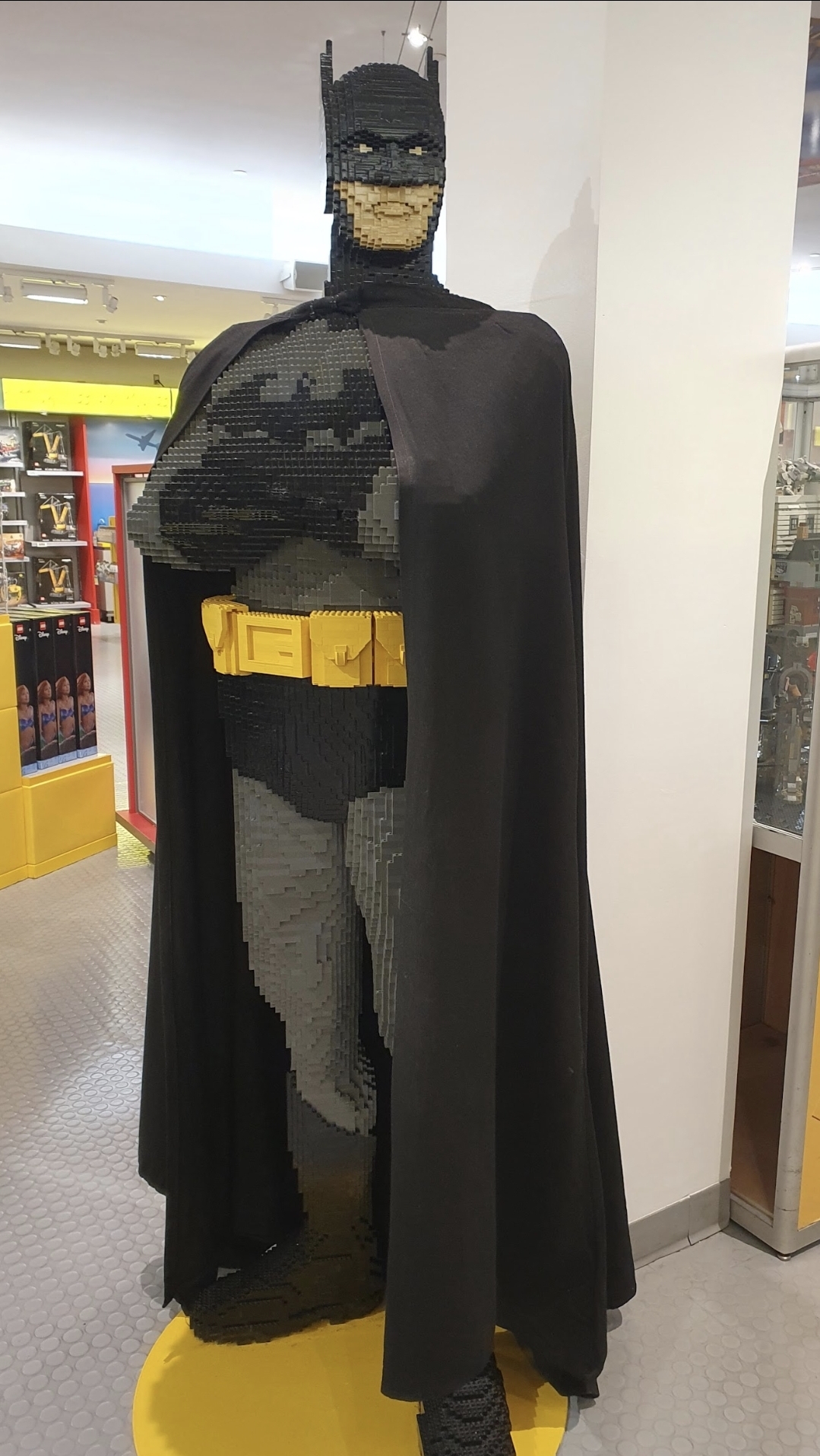
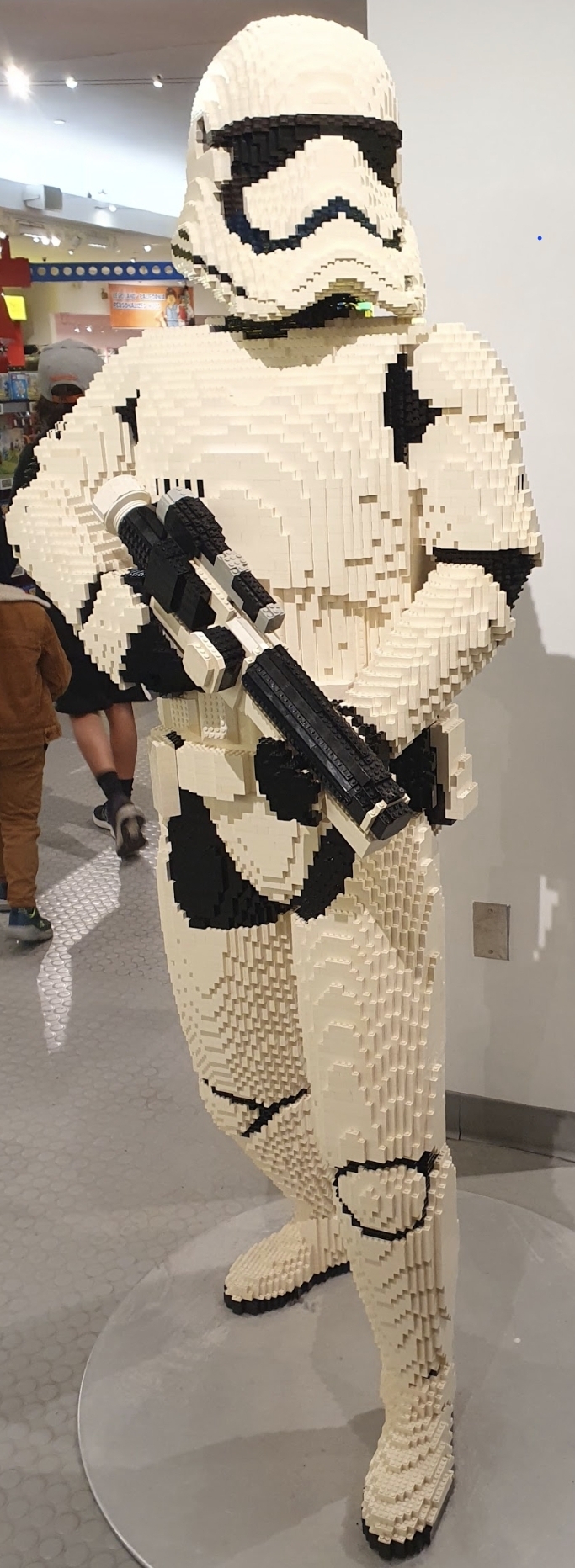
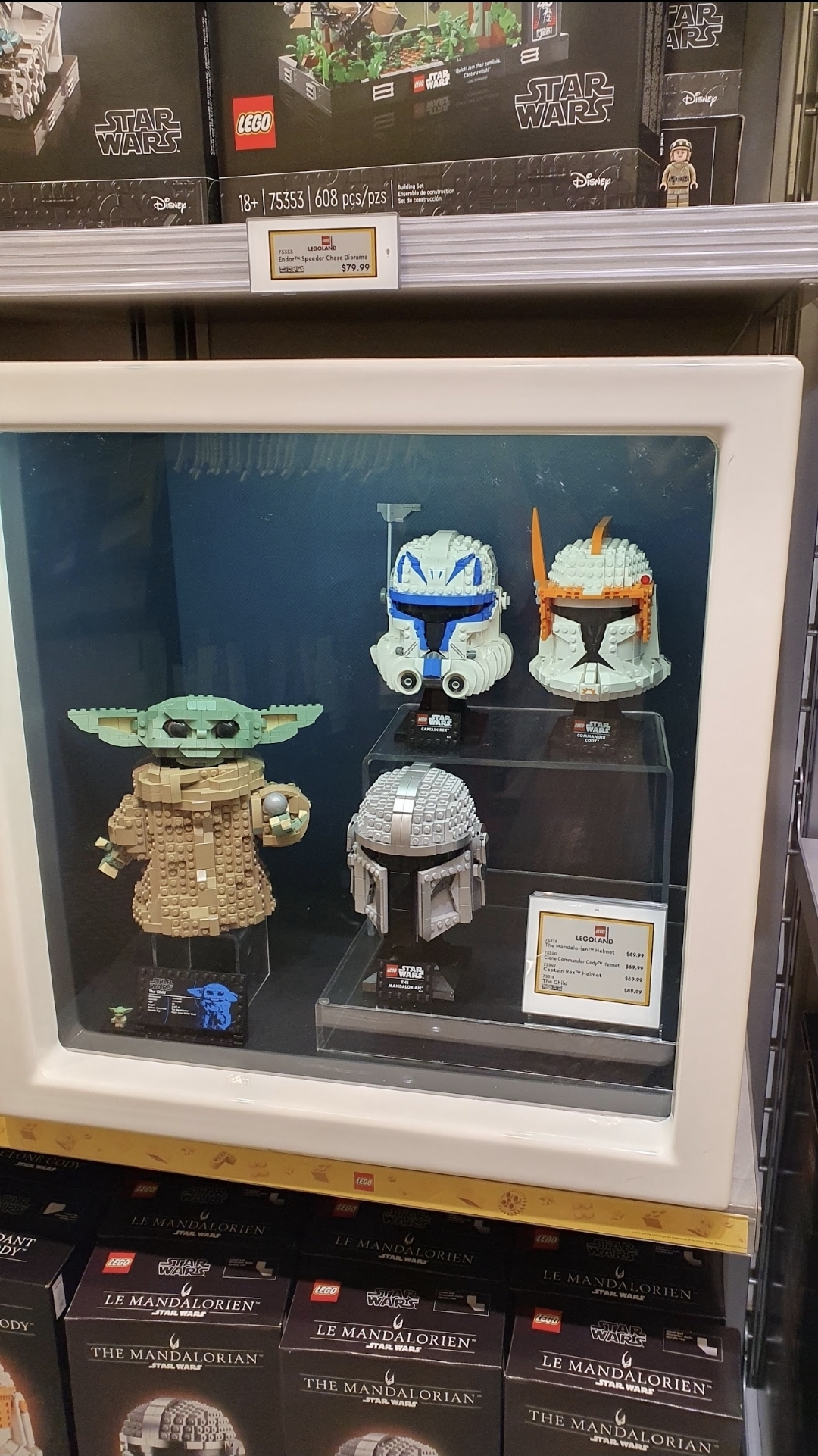
The heavily branded shop contained all sorts of incredible Lego models, from a full sized Batman and Stormtrooper, to Star Wars sets that would have sent me into an excited frenzy as a youngster. I kept a little Yoda figure in my pocket for years as a wee boy and the sight of the crinkly auld wise one in Lego form brought back fond recollections.
Amazing price tags accompanied the increasingly convoluted designs, yet if it wasn’t for the commercial partnerships future generations would have been deprived of the joy of the bricks and blocks.


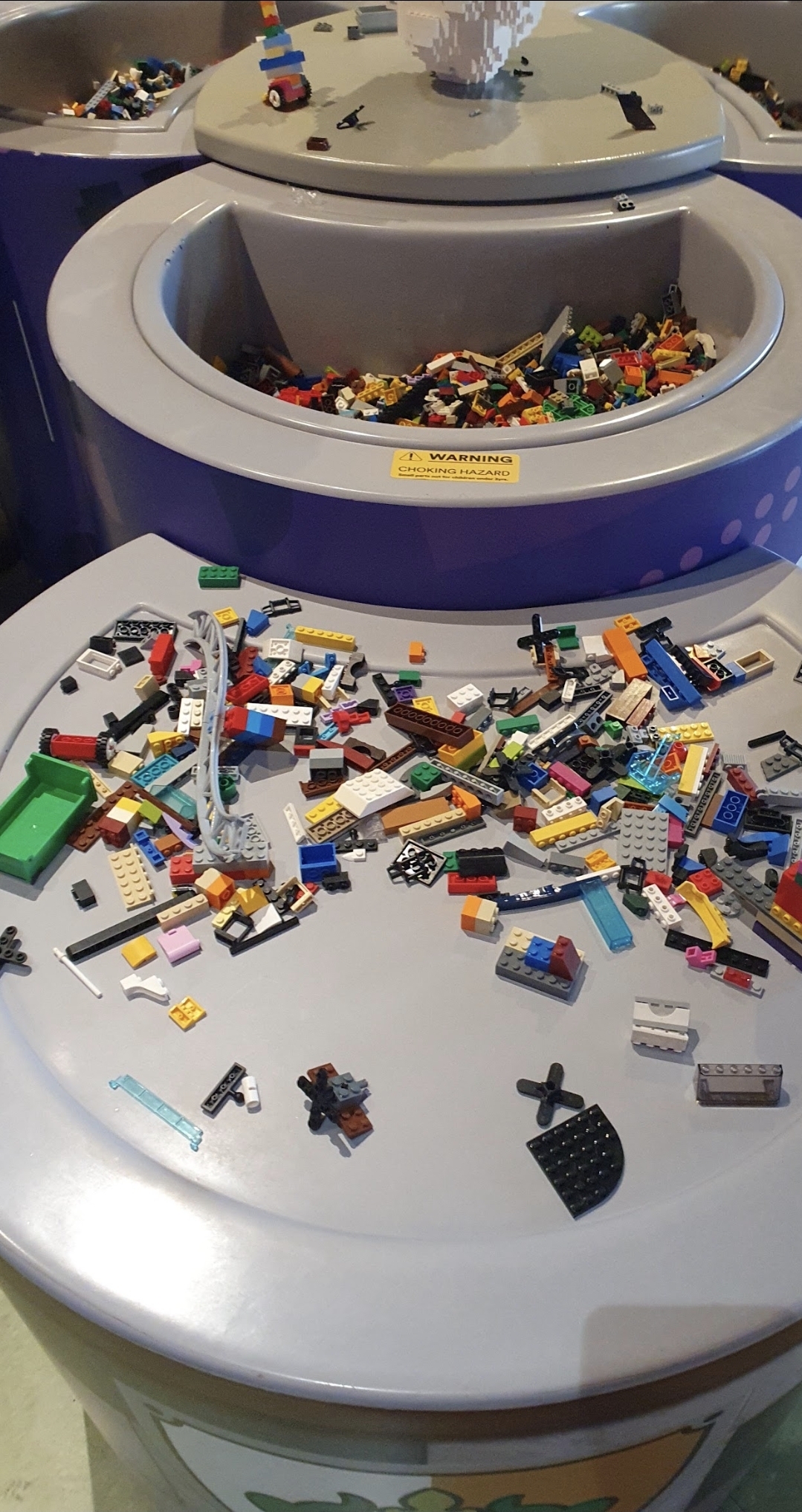
What remains in the recesses of my fading memory was not the marketing push and hefty dollar signs but the small stations in the museum filled with an assortment of mismatched pieces.
Children, and even decrepit oldsters, were free to mix and match, to experiment and construct anything no matter how bizarre or beautiful, showing that the magic of Lego still lingers despite the passing of time.
@skasiewicz.bsky.social
 Stephen Kasiewicz