
There are enough colourful characters in Glasgow to line the sky with rainbows.
Yet the sight of Indiana Jones – or at least his stunt double – galloping through the streets added an unexpected dash of silver screen glamour which even upstaged the city’s great, good and gallus.
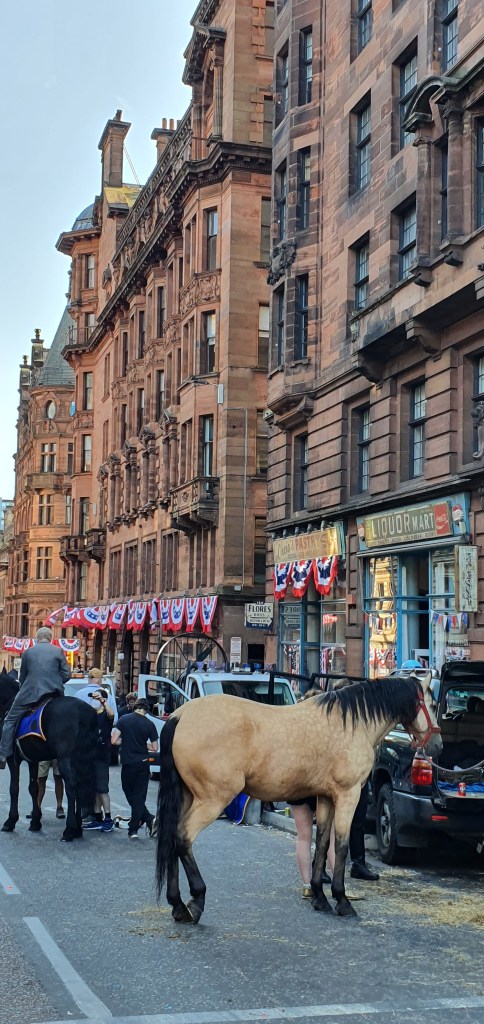
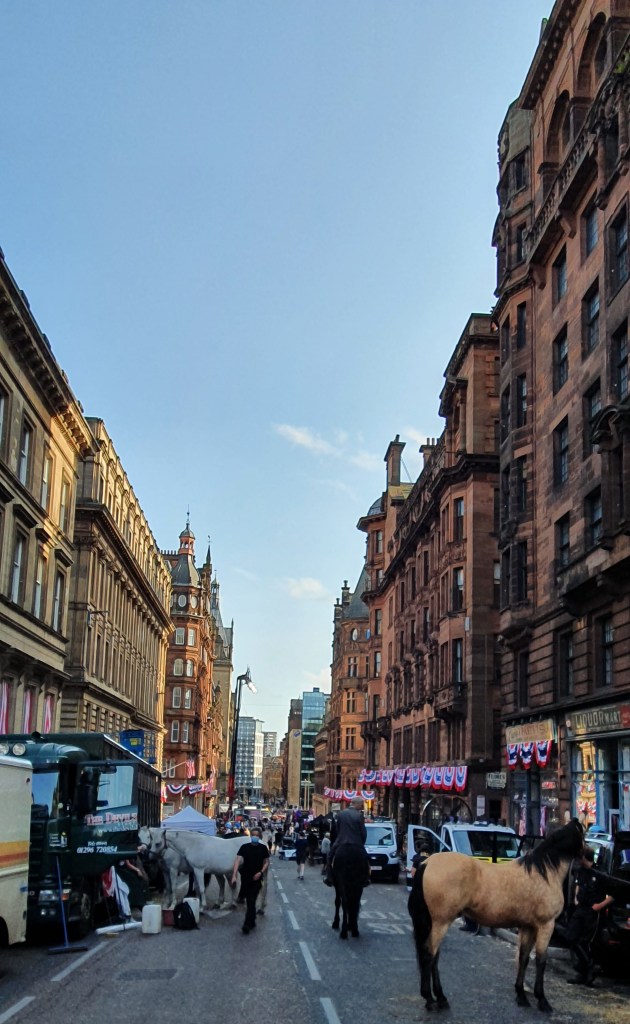
For two weeks in the summer of 2021 it was possible to get a glimpse of the Hollywood production despite barriers which cordoned off the shooting locations in Scotland’s biggest city.
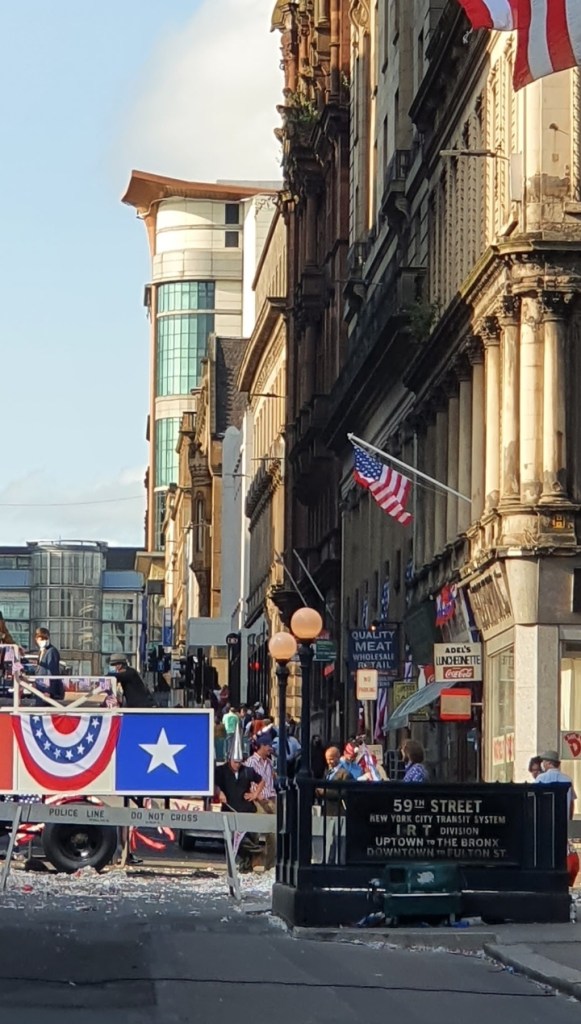
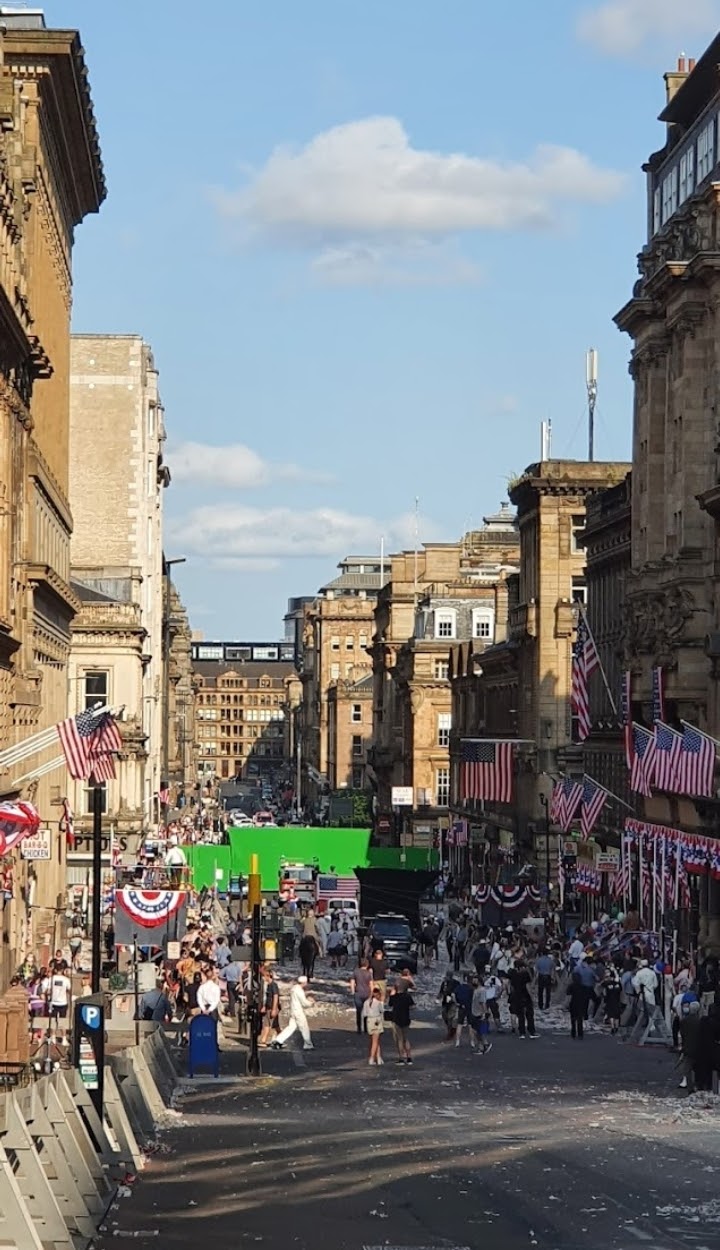
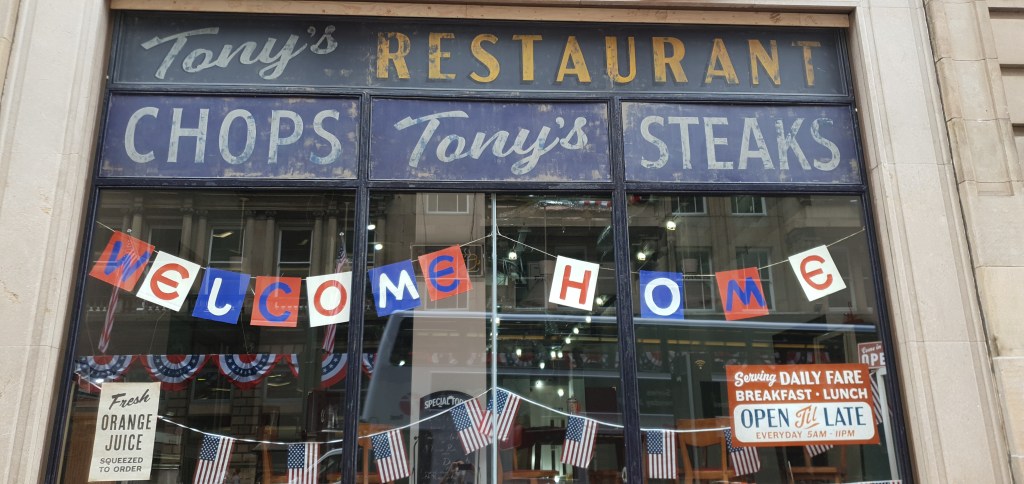
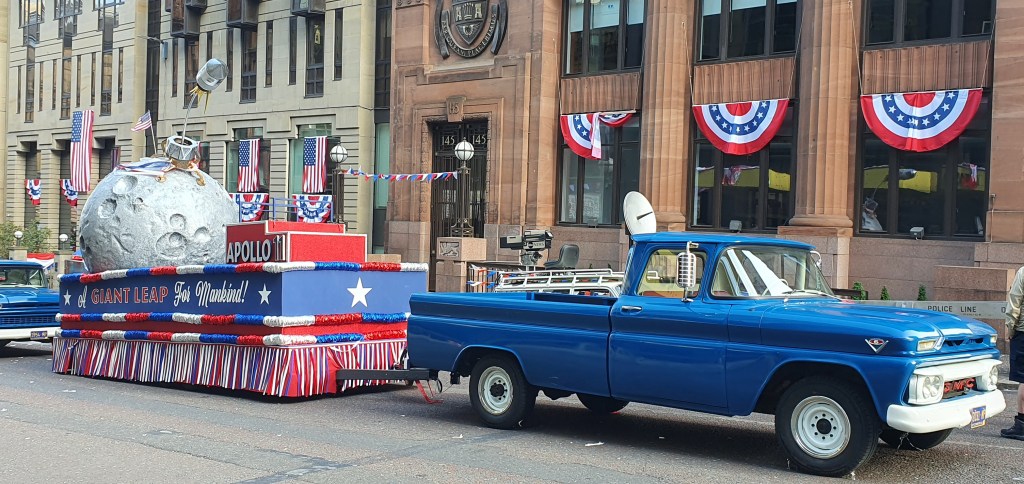
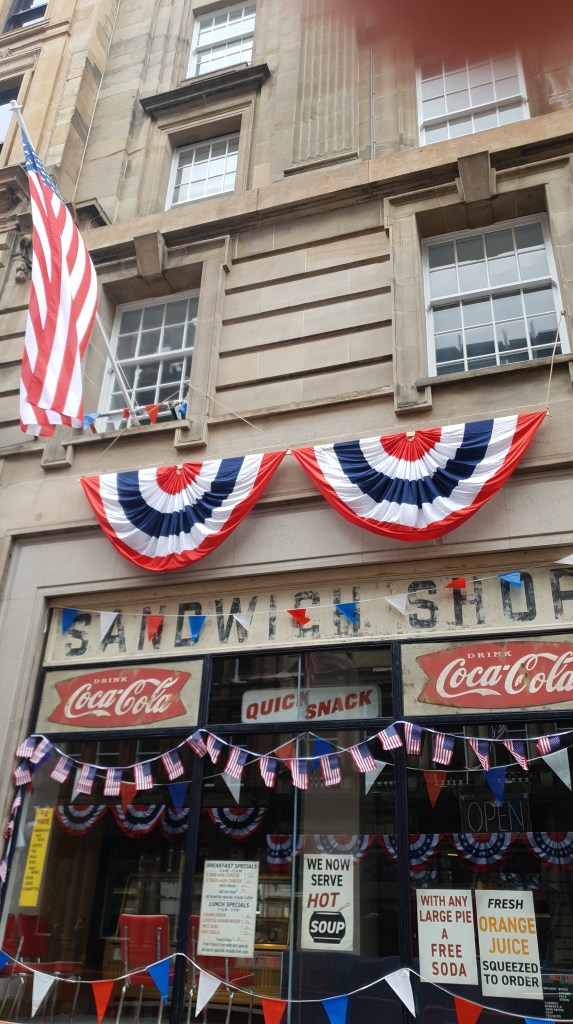
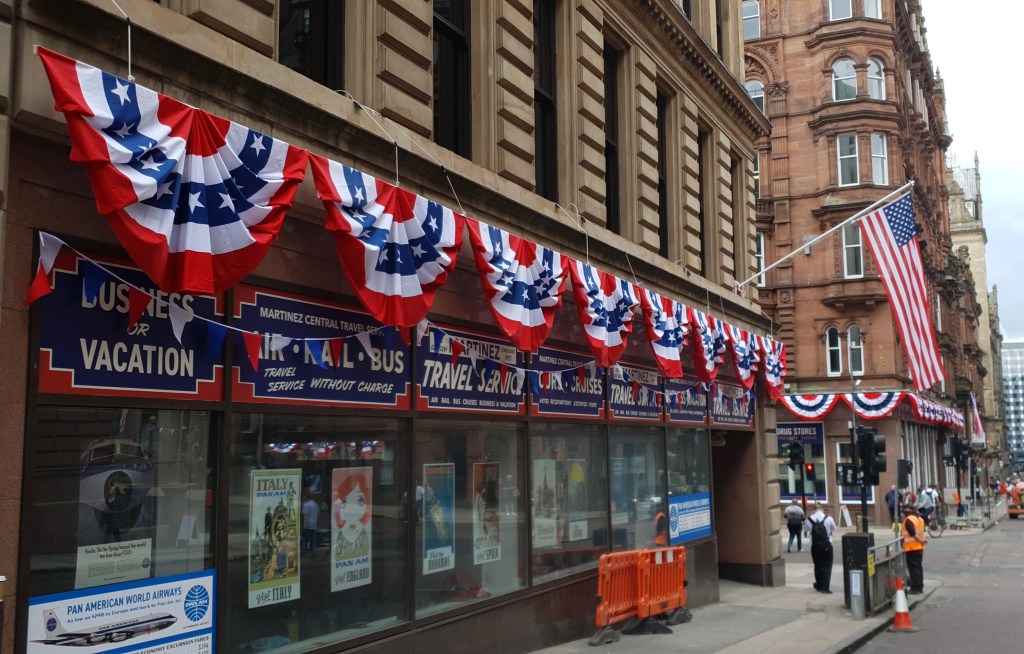
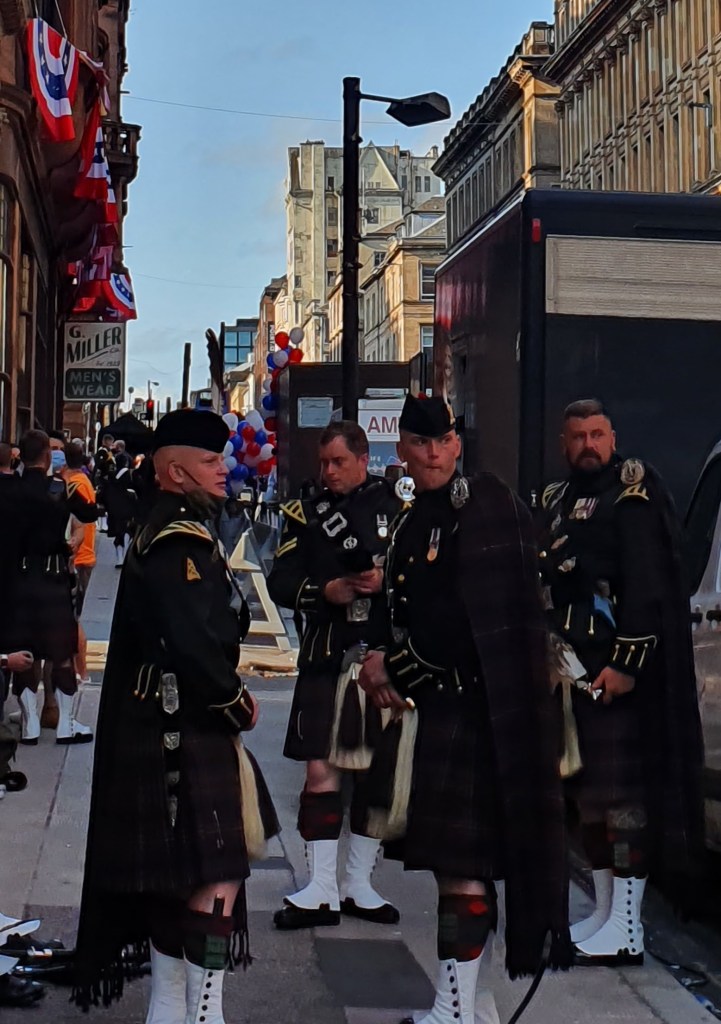
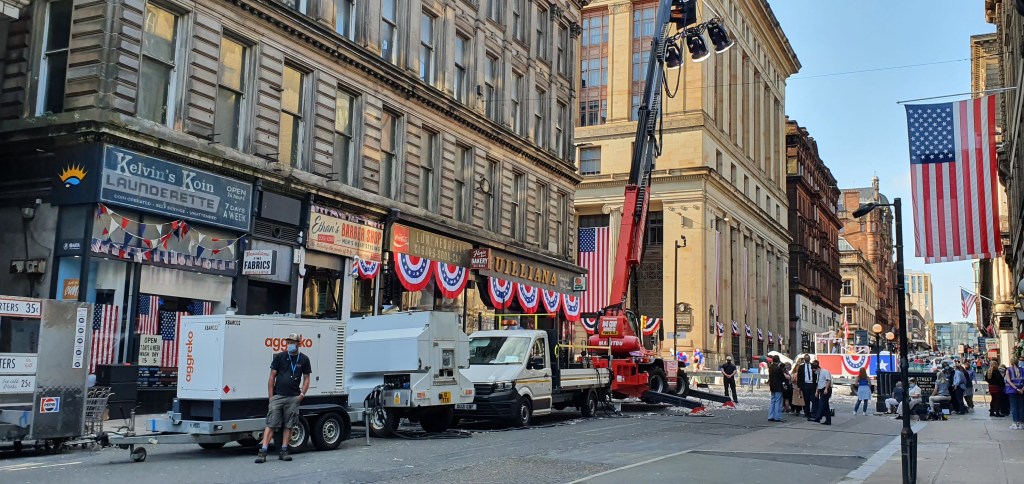
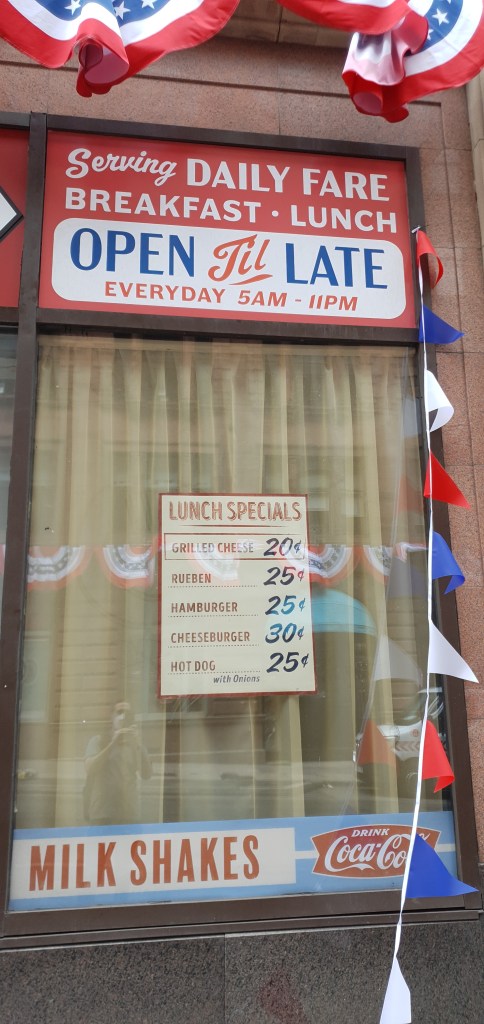
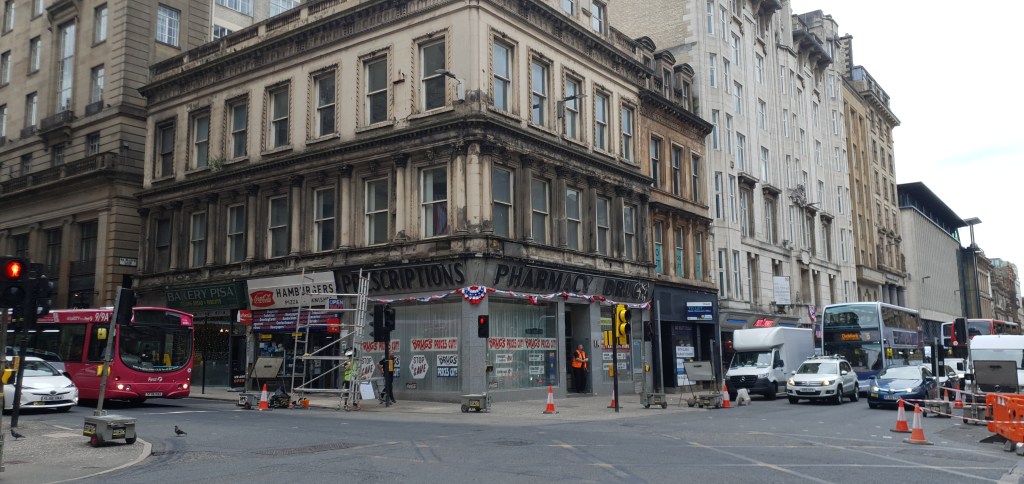
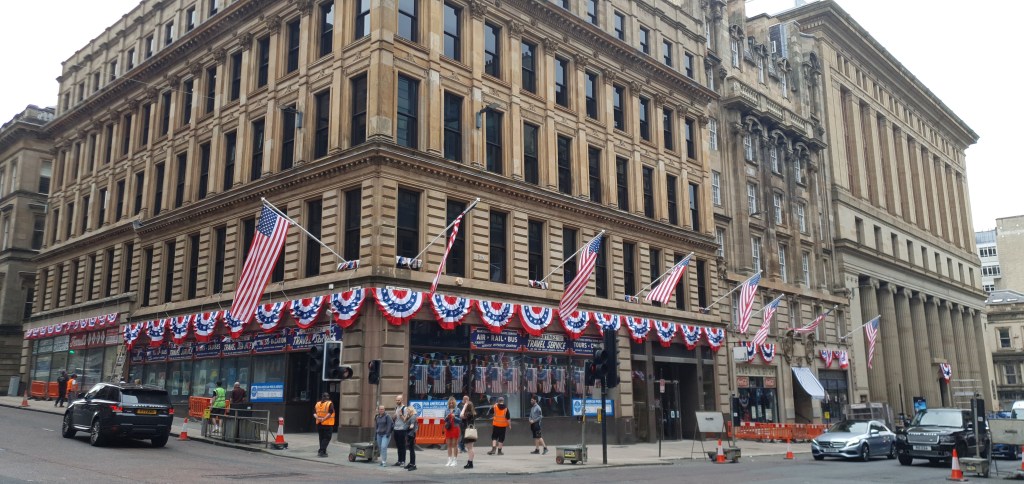
The recent release of the fifth installment of the Indiana Jones series featured sequences in and around St. Vincent Street. American flags and banners adorned buildings, classic cars filled the streets, shop fronts were transformed into Big Apple travel agents, coffee shops and restaurants and hundreds of extras joined members of the main cast.
It was an epic transformation as Glasgow city centre doubled for New York City in 1969 as Apollo 11 astronauts were given a ticker tape parade on their welcome home to America.
Harrison Ford’s stunt stand-in sped along on a horse as the set designers even added a New York subway station for authenticity.
Indiana Jones and the Dial of Destiny was not the first – parts of World War Z (2013), Fast and Furious 6 (2013) and The Batman (2022) among others were also filmed in the city – and won’t be the last to have the Dear Green Place as a backdrop.
Glasgow’s architectural diversity and its city centre grid system (which has some similarities to American cities) have been cited as factors in Hollywood choosing the largest population centre in Scotland as a location. Other incentives might also have played a part, nevertheless it’s an appropriate place for Tinseltown’s finest.

Glasgow was dubbed the cinema city in the 1930s and 1940s as it had around 130 cinemas, more than anywhere else per head of population outside the United States.
A staggering array of eclectic buildings housed thousands eager to watch the latest stateside and domestic releases, as well as news reports and cartoons for children.
From Hillhead to Shawlands and Dennistoun to Springburn, almost every area in the city had at least one cinema. Some contained multiple picture halls often within close proximity of each other.
While technology and changing tastes meant cinema attendance gradually declined in the 1950s and 1960s some of the iconic venues of film worship survived.
Before any thought of Indy in Glasgow my enduring fascination with the city’s cinema past had developed into a mission of sorts.
On many long walks, particularly around the south side and city centre, I tried to photograph as many of the old cinemas as I could, some still in use, others remodelled and modified and those criminally left to rot.
Perhaps driven by nostalgia I also began to seek out the places which shaped my love of film after returning from a lengthy period living in South Korea in August 2020.
As a child it was always a special treat to go to the pictures. Early trips to the cinema to see classic blockbusters with my mum, brother and (sometimes) cousins fostered a lifelong passion for film. The excitement was in the anticipation as much as the viewing. There were plenty of atmospheric cinemas to choose from even after the popularity of going to the flicks declined.
I vividly recall queuing round the corner of the ABC on Sauchiehall Street for E.T. and my brother getting upset when the little brown alien had to go home.
At the Odeon on Renfield Street everyone in the youthful audience belted out the Ghostbusters theme song after the credits rolled. The Return of the Jedi and unforgettable Caravan of Courage: An Ewok Adventure also provided highlights, while we threw punches and cheered at the end of Rocky IV at the Hillhead Salon.
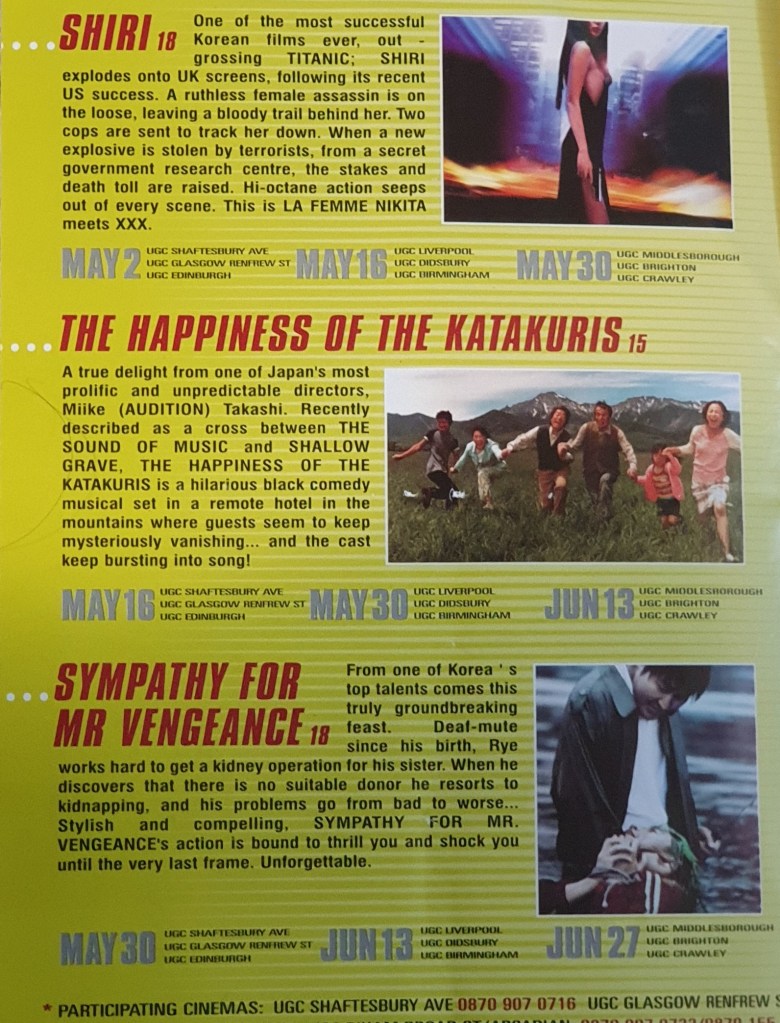
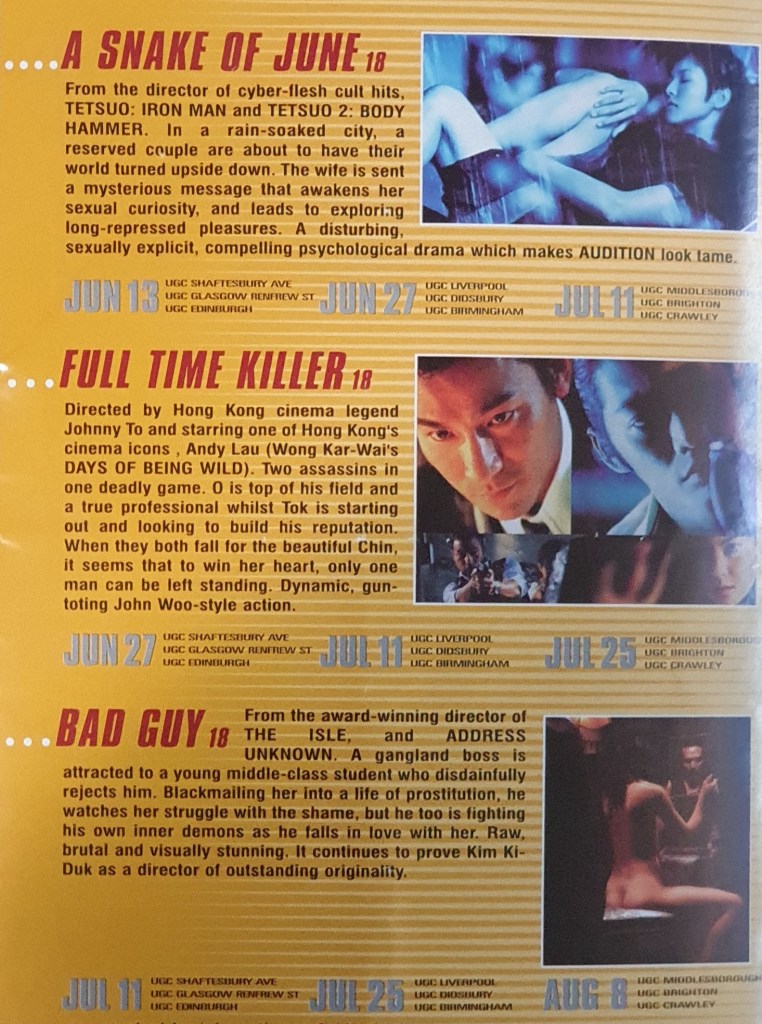
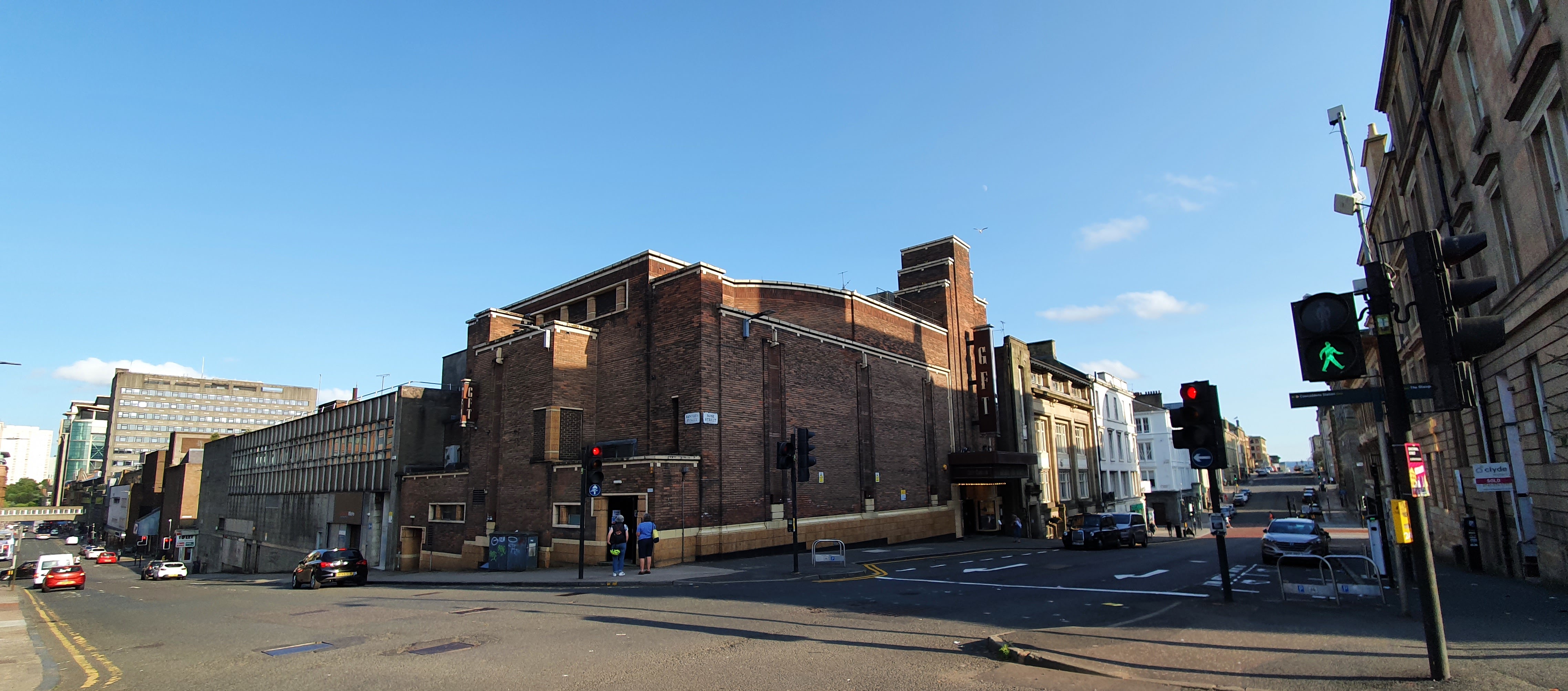
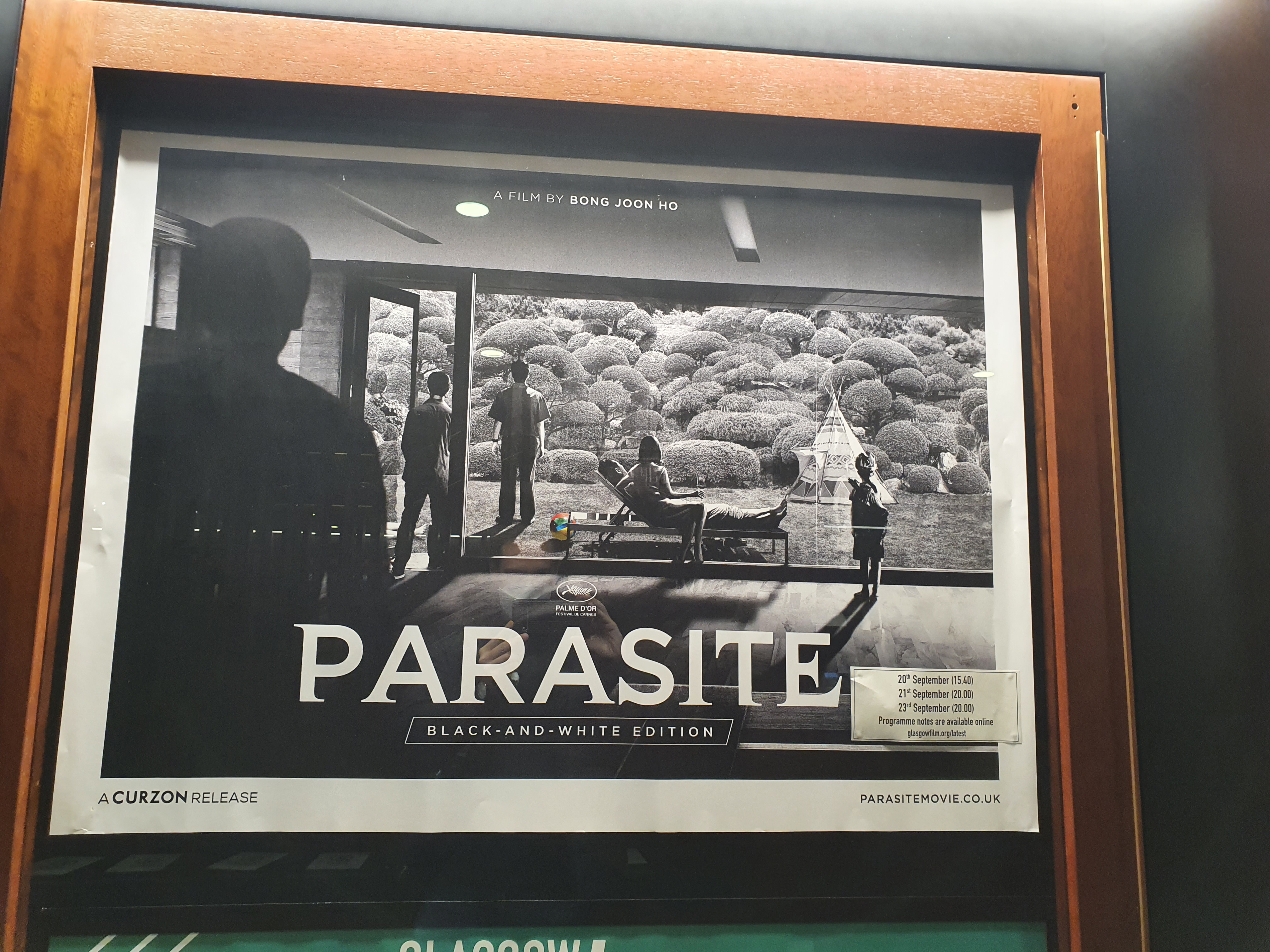
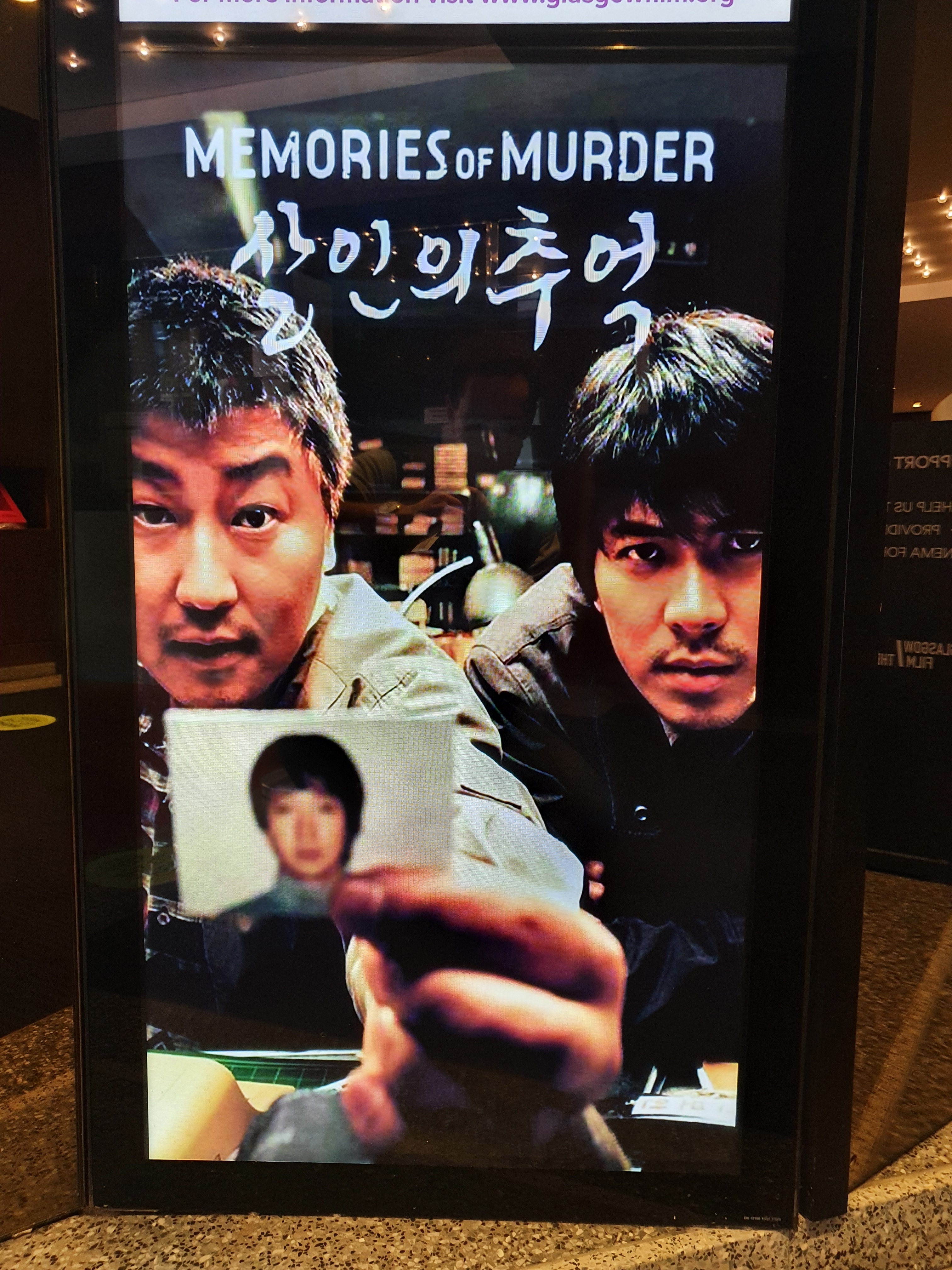
Although my enthusiasm for big budget films waned, I found a new passion for South Korean cinema years later at the UGC (the tallest cinema in the world) on Renfield Street and an appreciation for films from across the globe at the Glasgow Film Theatre (GFT) on Rose Street.
The Tartan Asia Extreme film festival (2003-2005) sparked an interest in South Korea that eventually led to six eventful years as an expat in the wonderful land of Park Chan-wook, Bong Joon-ho, Song Kang-ho and Hwang Jung-min.


Despite a tour of the GFT as part of Doors Open Day – when a portion of the city’s historic buildings open up to the public – many years ago I had often failed to recognise the places that attracted thousands of eager cinemagoers from Glasgow and beyond.
The wonderfully detailed Lost Glasgow, Past Glasgow, Scottish Cinemas and Theatres and Cinema Treasures websites provided a wealth of invaluable information, including the locations, opening and closing dates and incredible pictures of the city’s cinematic history.
It was a coincidence that for two weeks in the summer of 2021 parts of central Glasgow became a movie set. The filming occurred in between my attempts to document a small selection of the city’s picture palaces and along with plenty of others I sneaked around trying to get as close to the Indiana Jones shoot as I could.
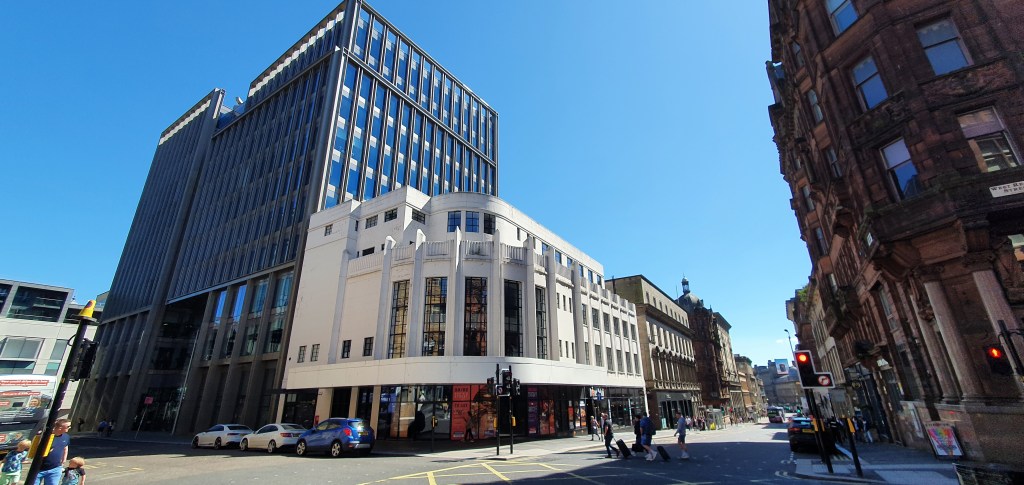
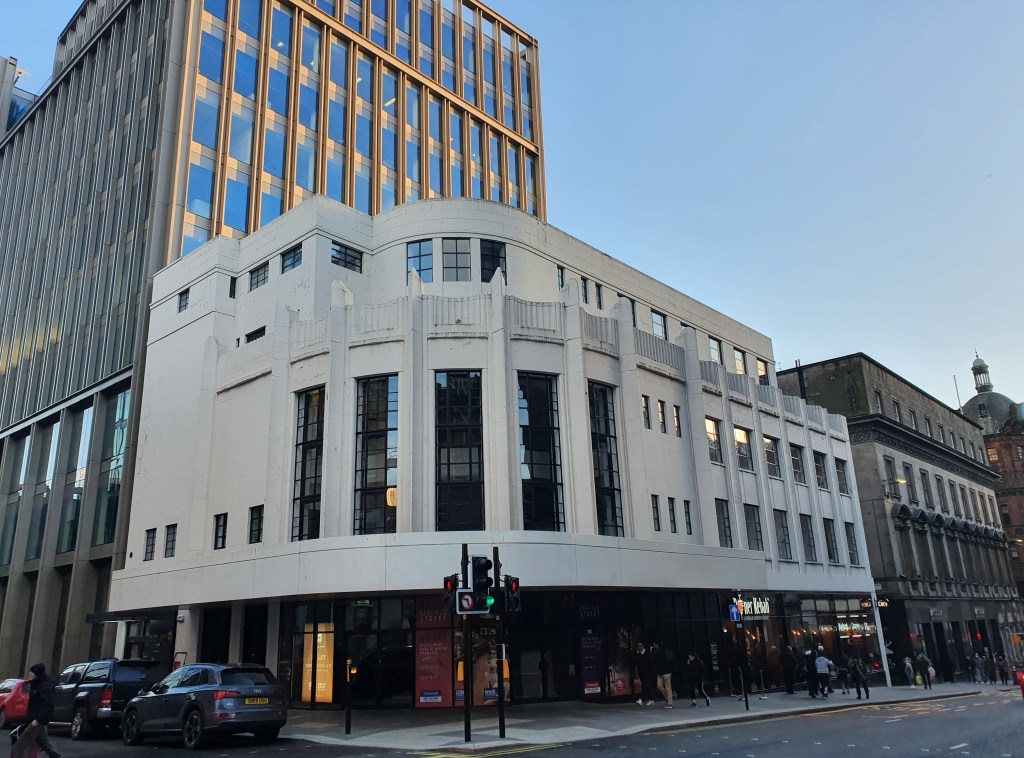
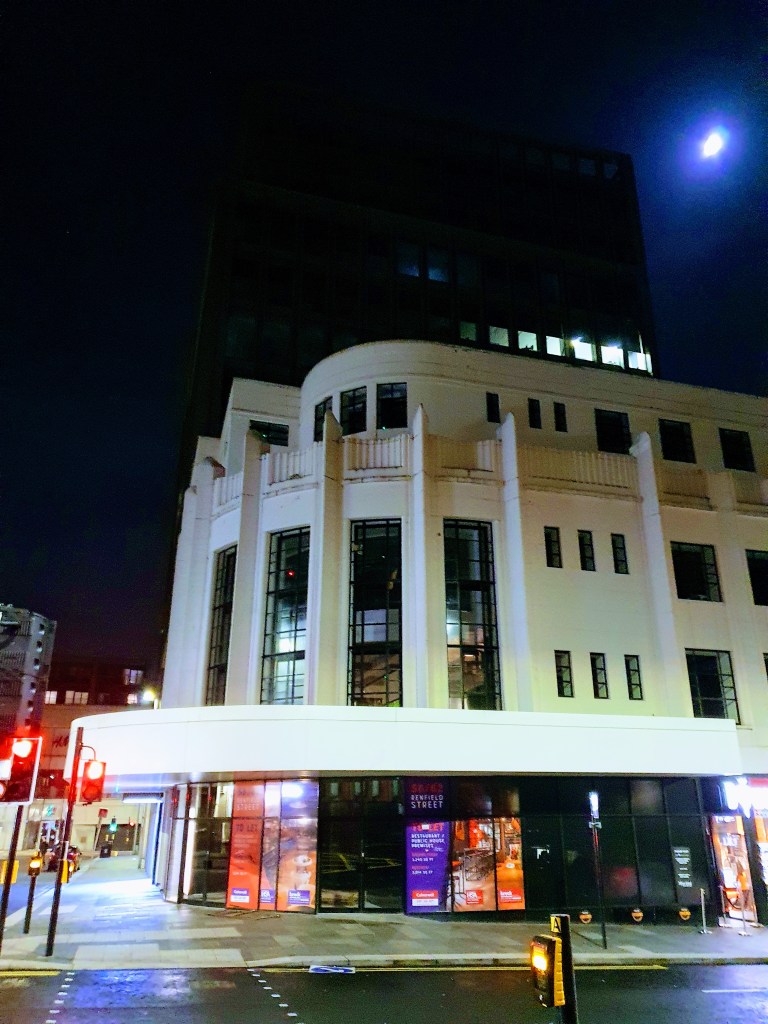
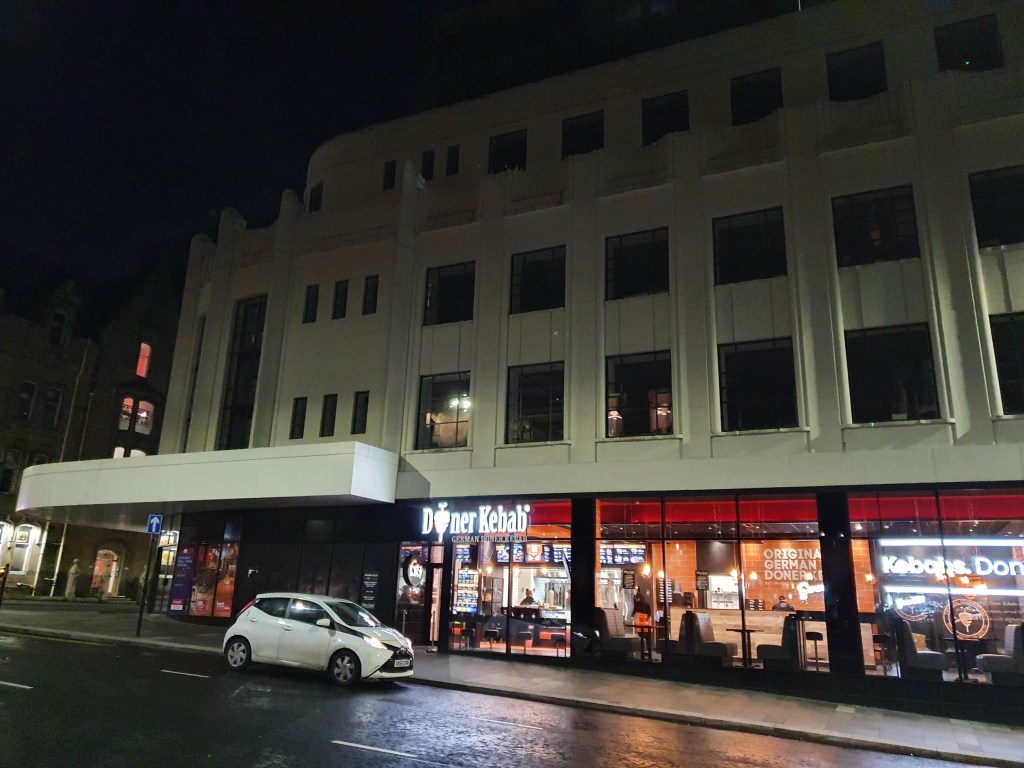
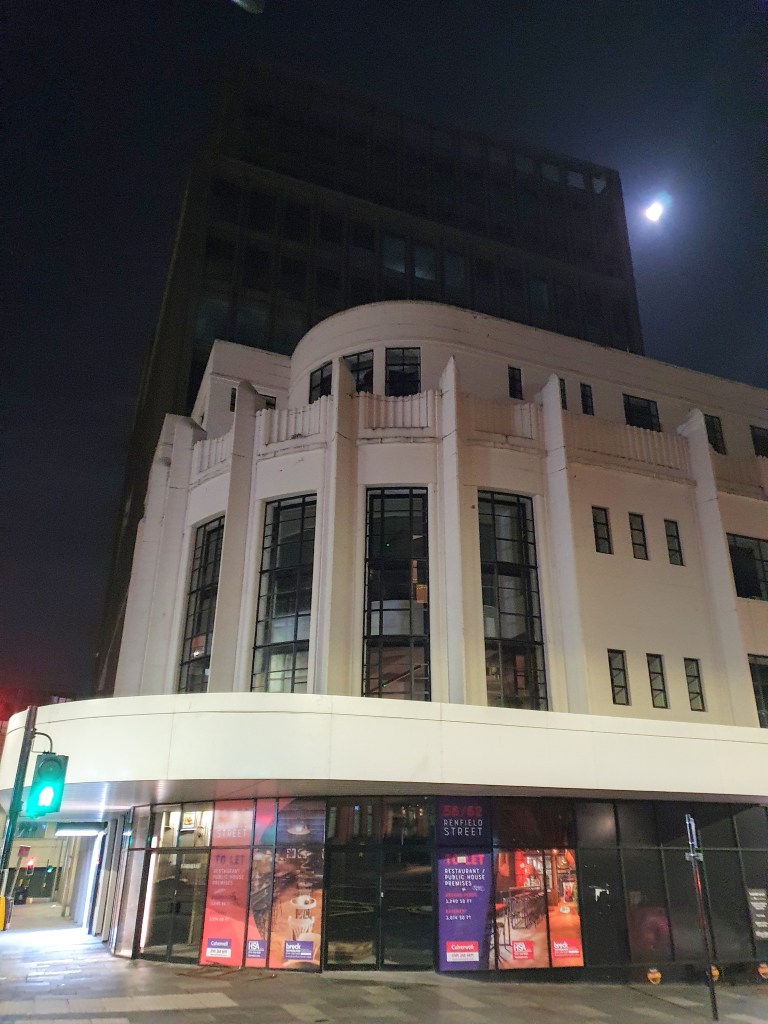
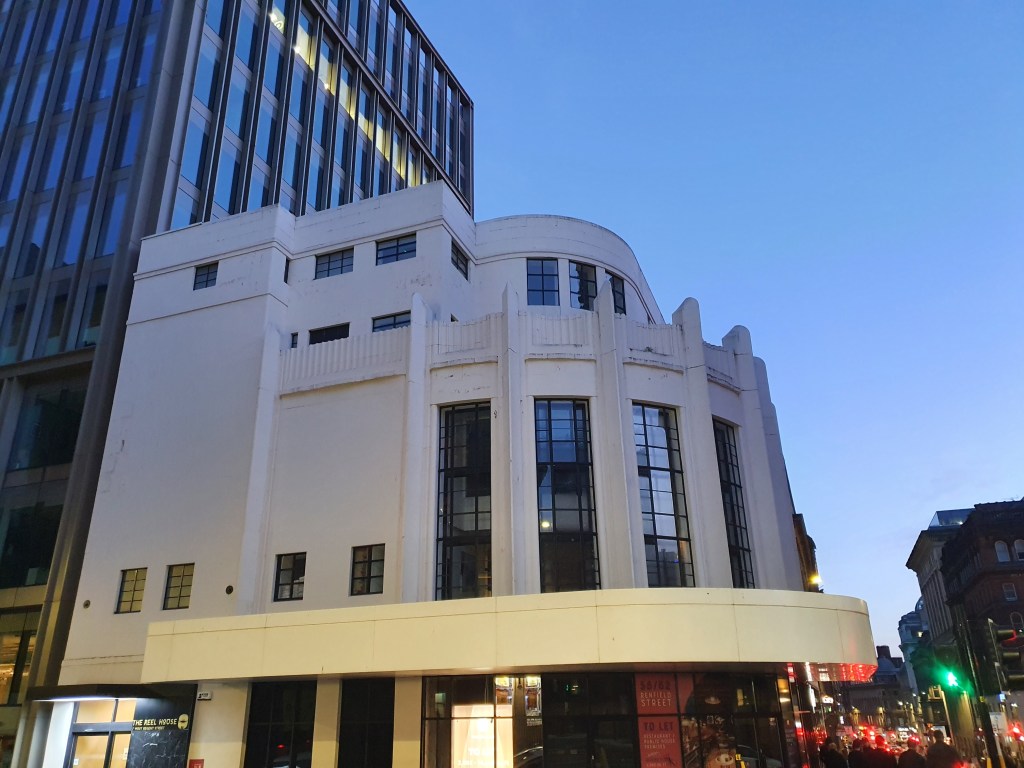
It was fitting that scenes were lensed footsteps away from the old Odeon, a striking art deco building which opened as the Paramount in 1934 and closed in 2006.
While its cavernous interior had been gutted and refurbished, the stunning white facade was at least restored to something of its old glory. Yet it sat unoccupied, a beautiful relic of another era while brutal prison cell brickwork flat designs depressingly emerged across the city. I was heartened that even part of the establishment which supplied so many thrilling moments as a youngster was still there to admire.
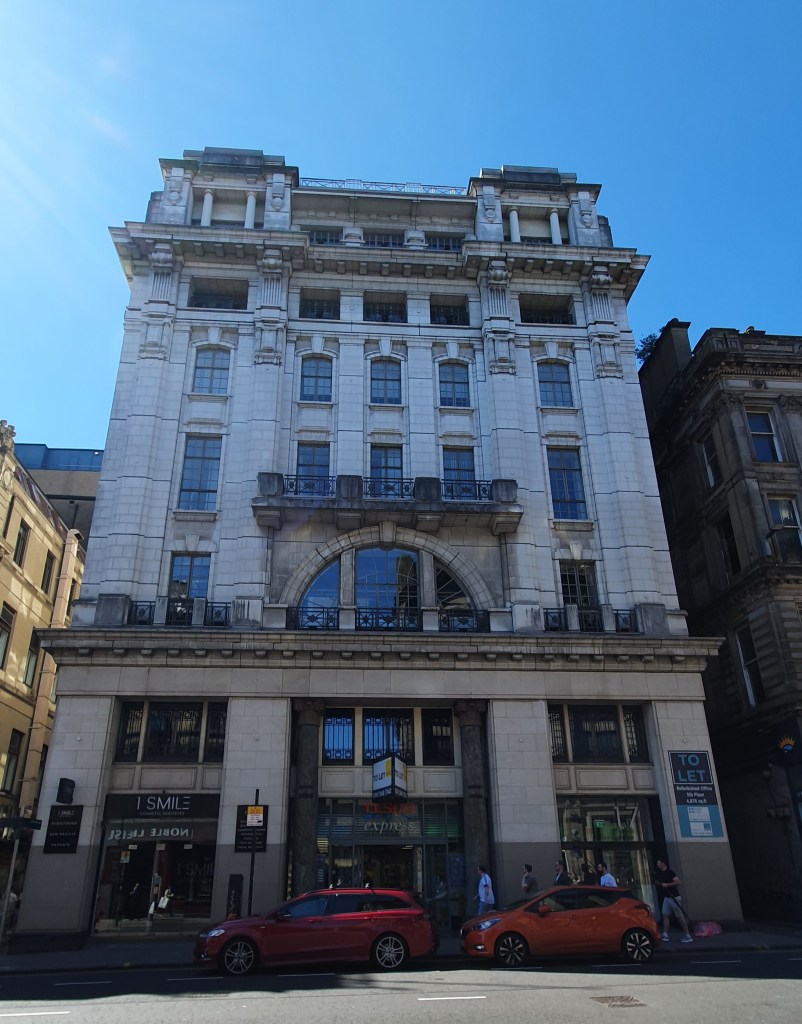
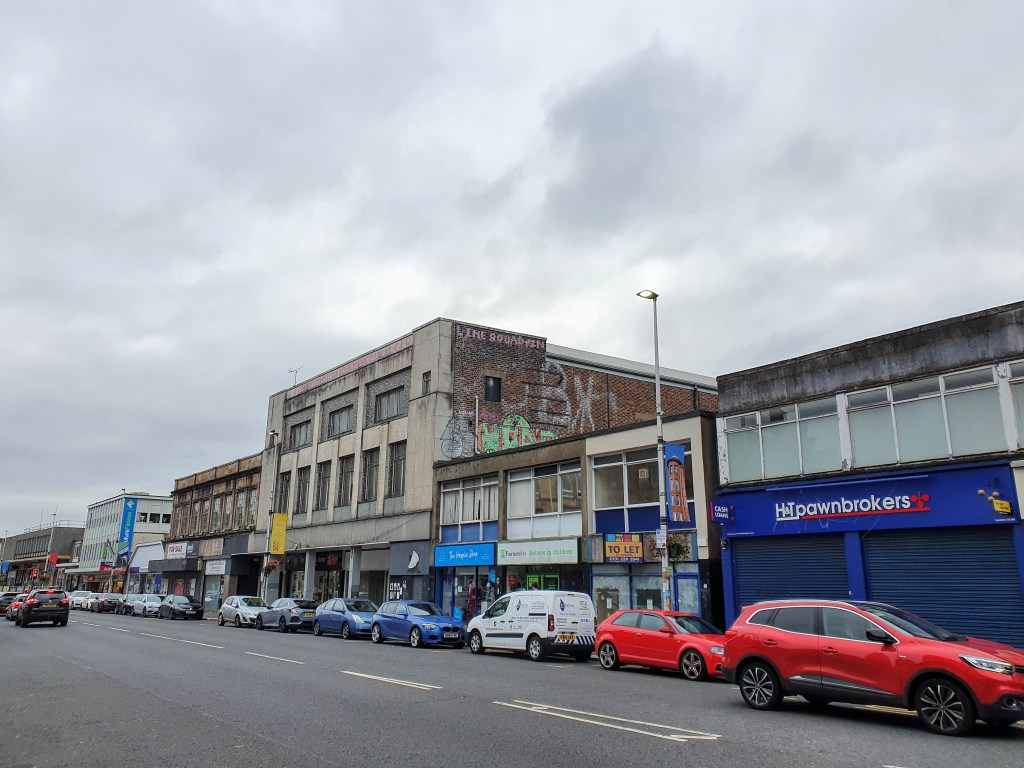
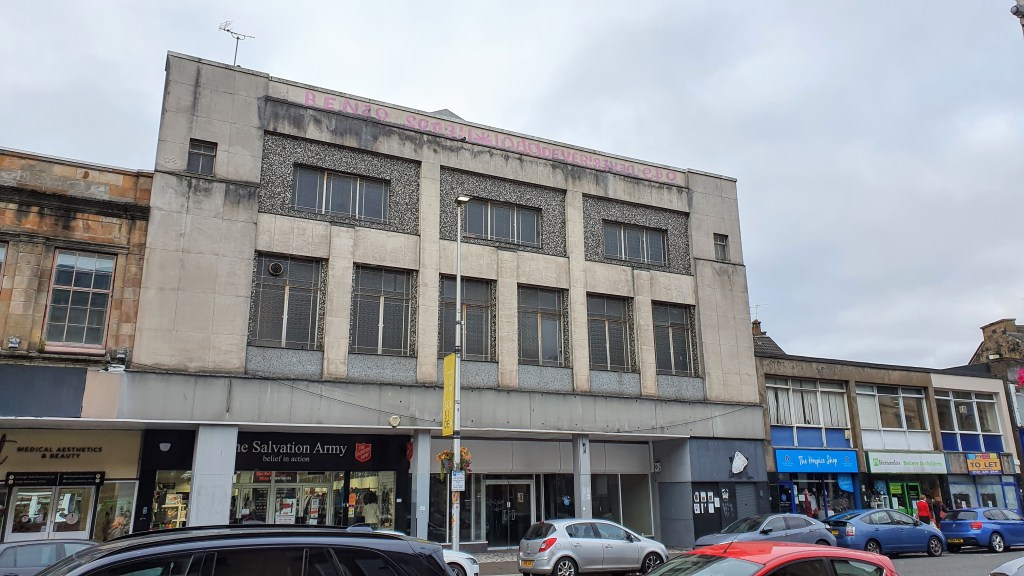
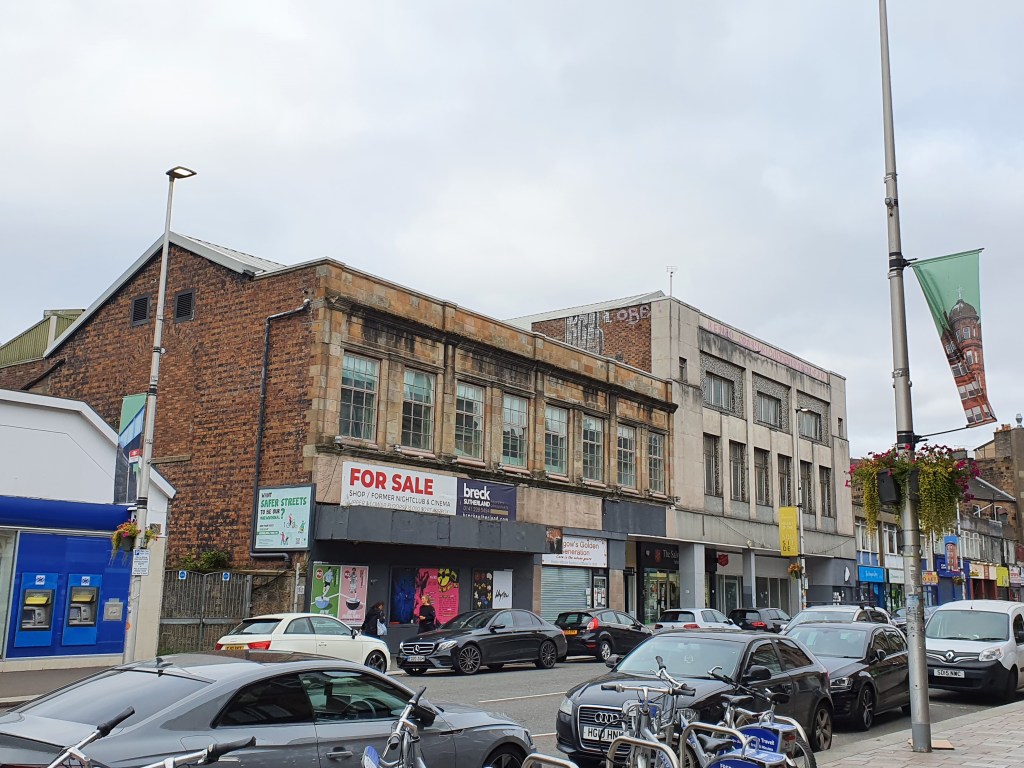
Only the front of the Cranston’s Cinema de Luxe survived just down from the Odeon, a grand building which shut up shop as the Classic Film Centre in 1981 after a fire (a suspicious fate which befell many structures in the city over the years).
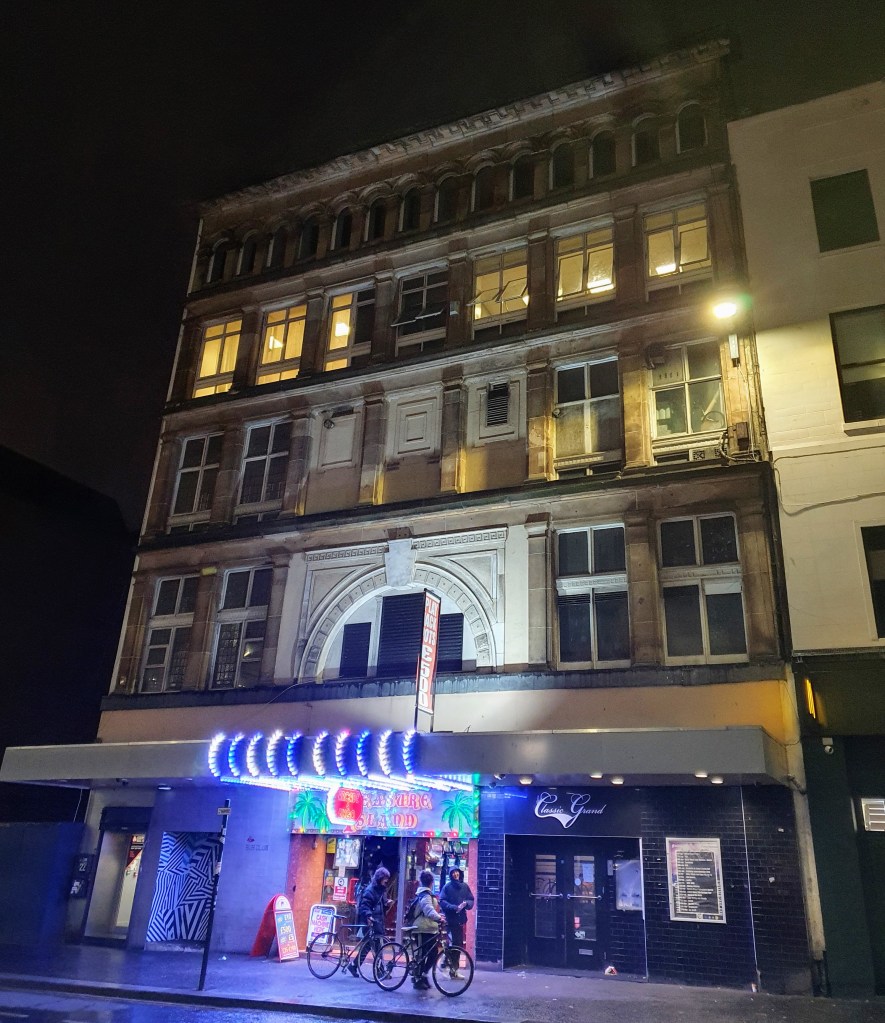
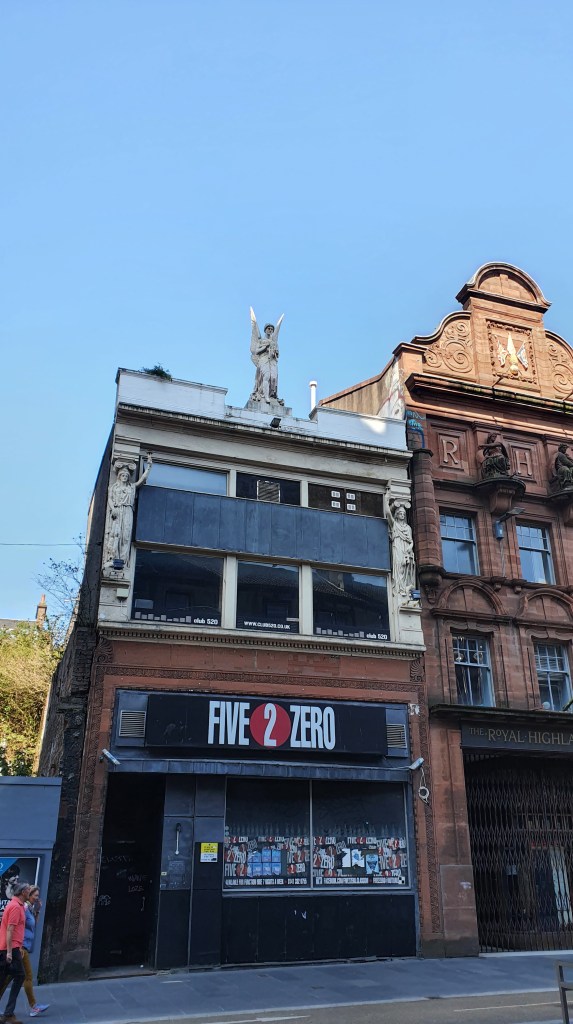
Not all of the films were family friendly when it functioned briefly as the Tatler Cinema Club on a site which now houses offices. The Classic Grand on Jamaica Street also showed movies aimed at a different kind of clientele, as did the Vitagraph on Sauchiehall Street which also traded as the Curzon and Tatler Cinema Club. Although it was notorious for screening uncensored and adult films, its torch bearing statues and Beethoven bust made the building stand out for entirely different reasons.
It had been used as a bar and various nightclubs since ceasing to operate in 1984.
At the peak of Glasgow’s cinema obsession there were so many options in the city centre alone that it would have been possible to change venues every night of the week. Double bills also provided value for money in many of the city’s one screen cinemas.
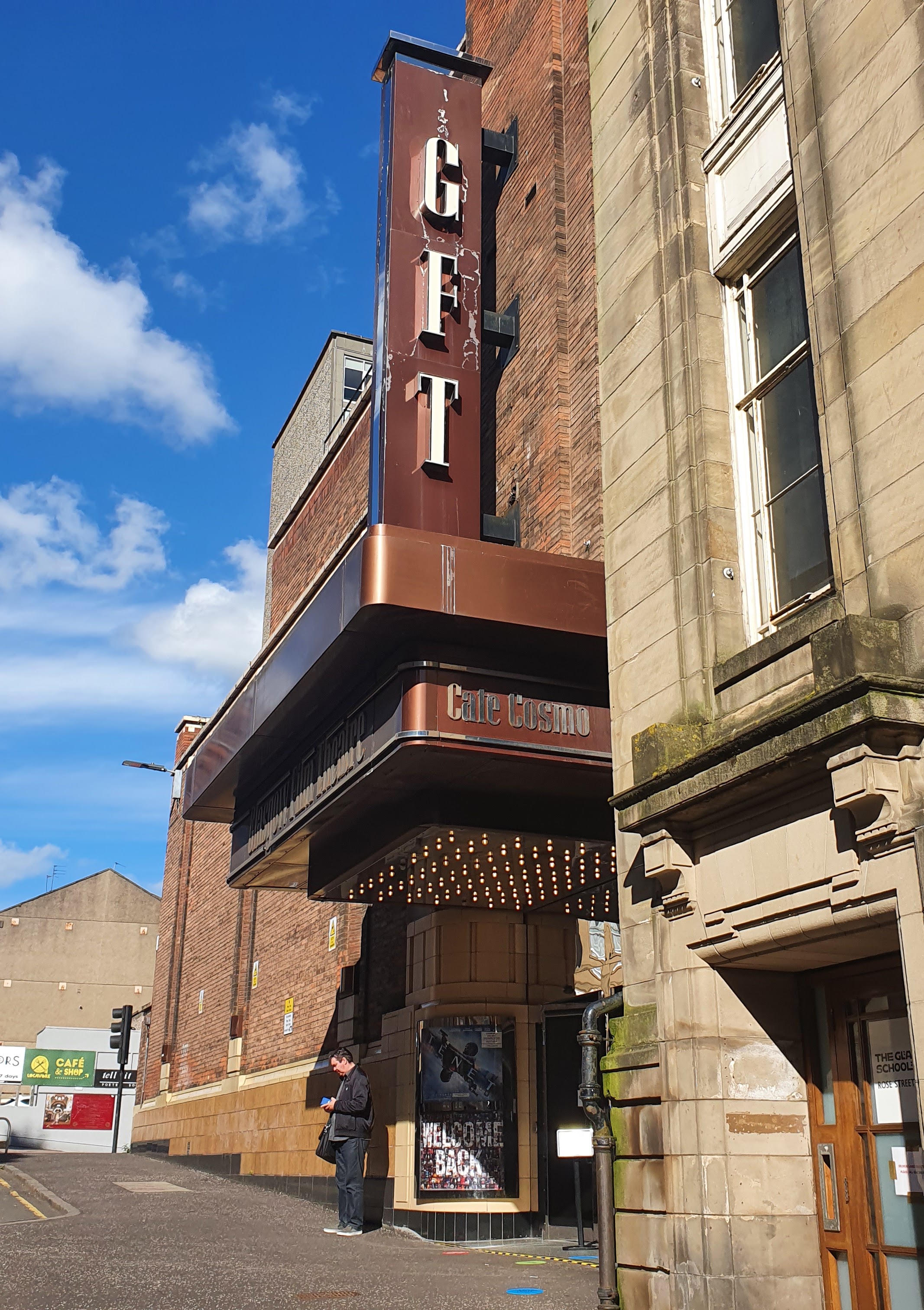
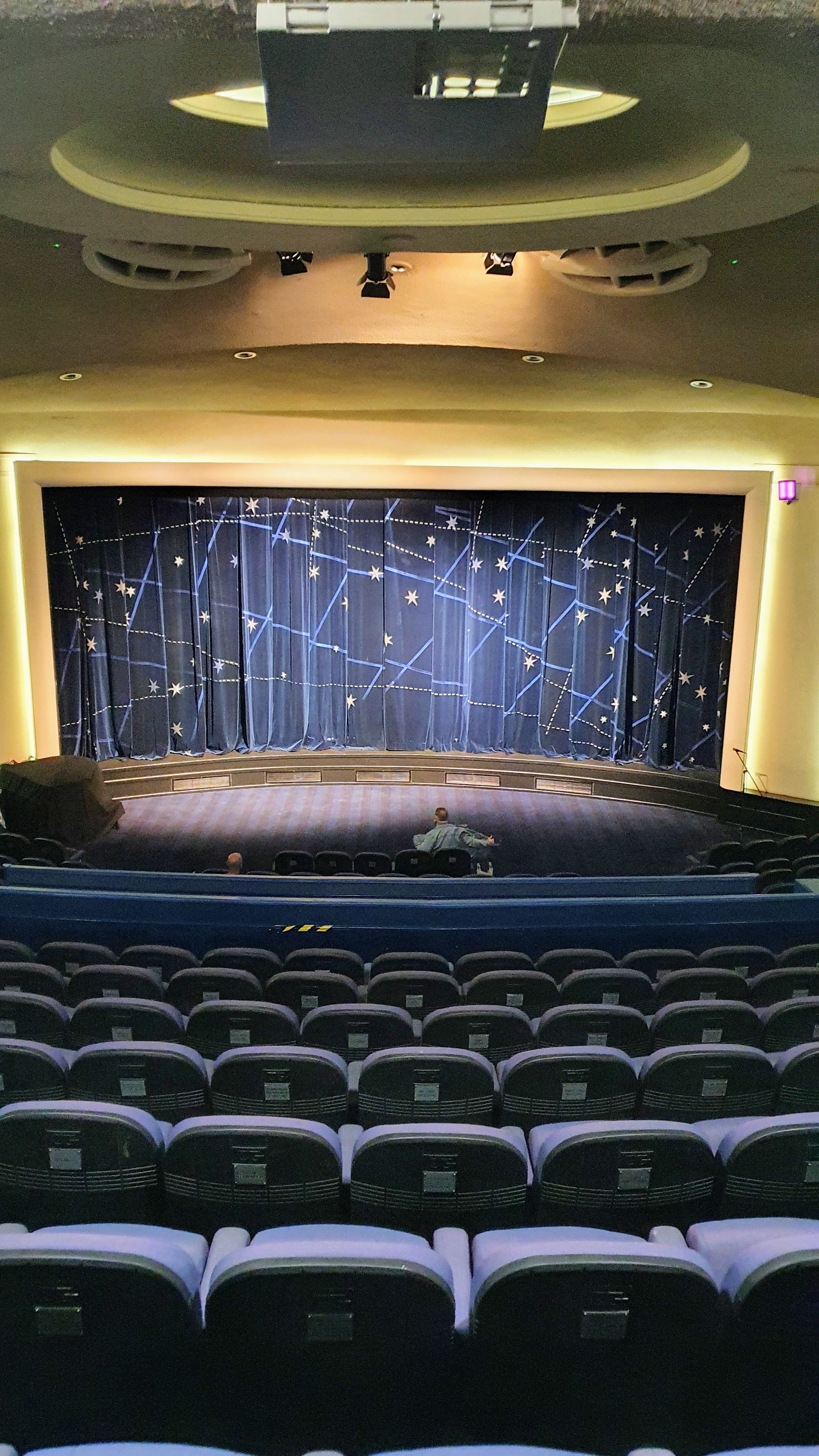
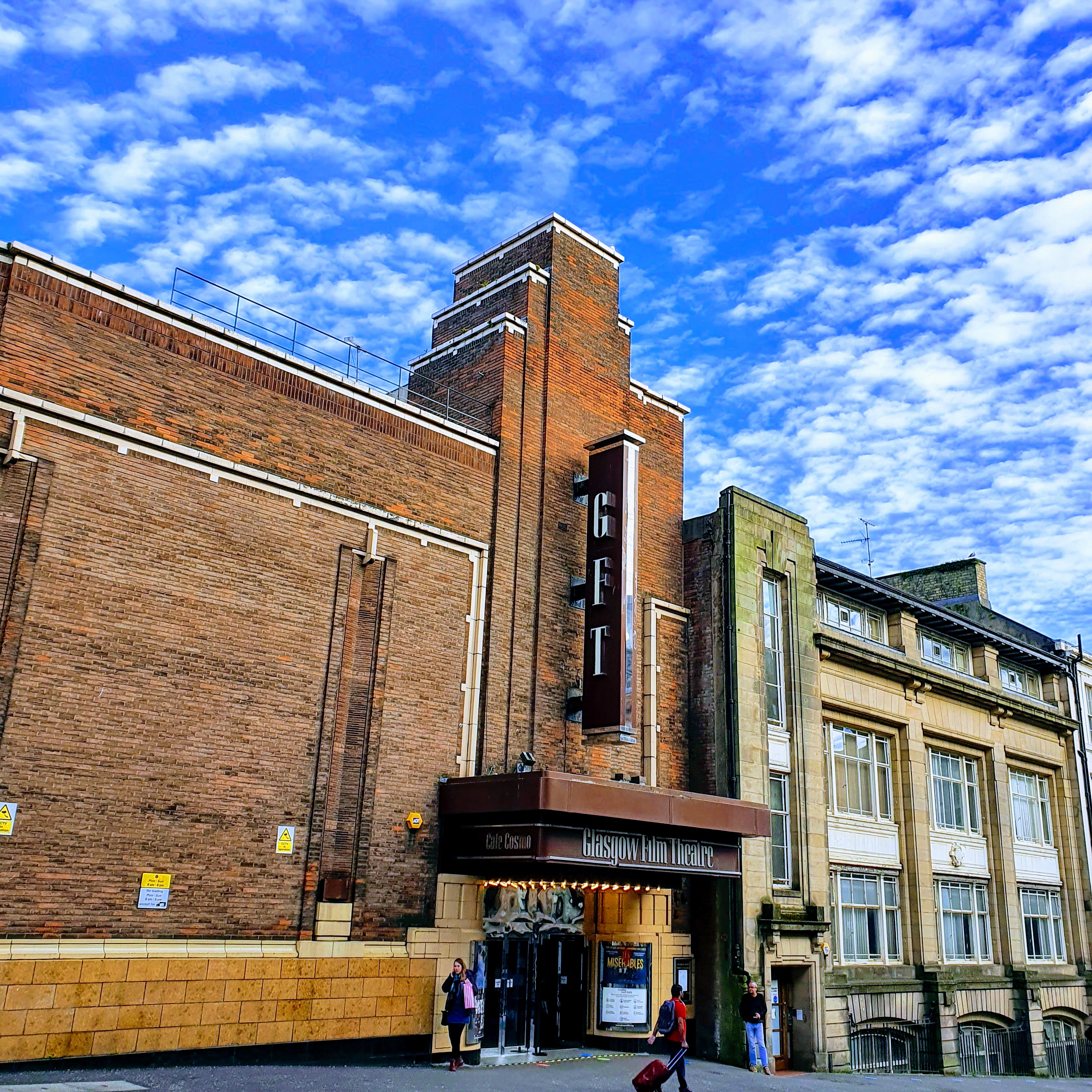
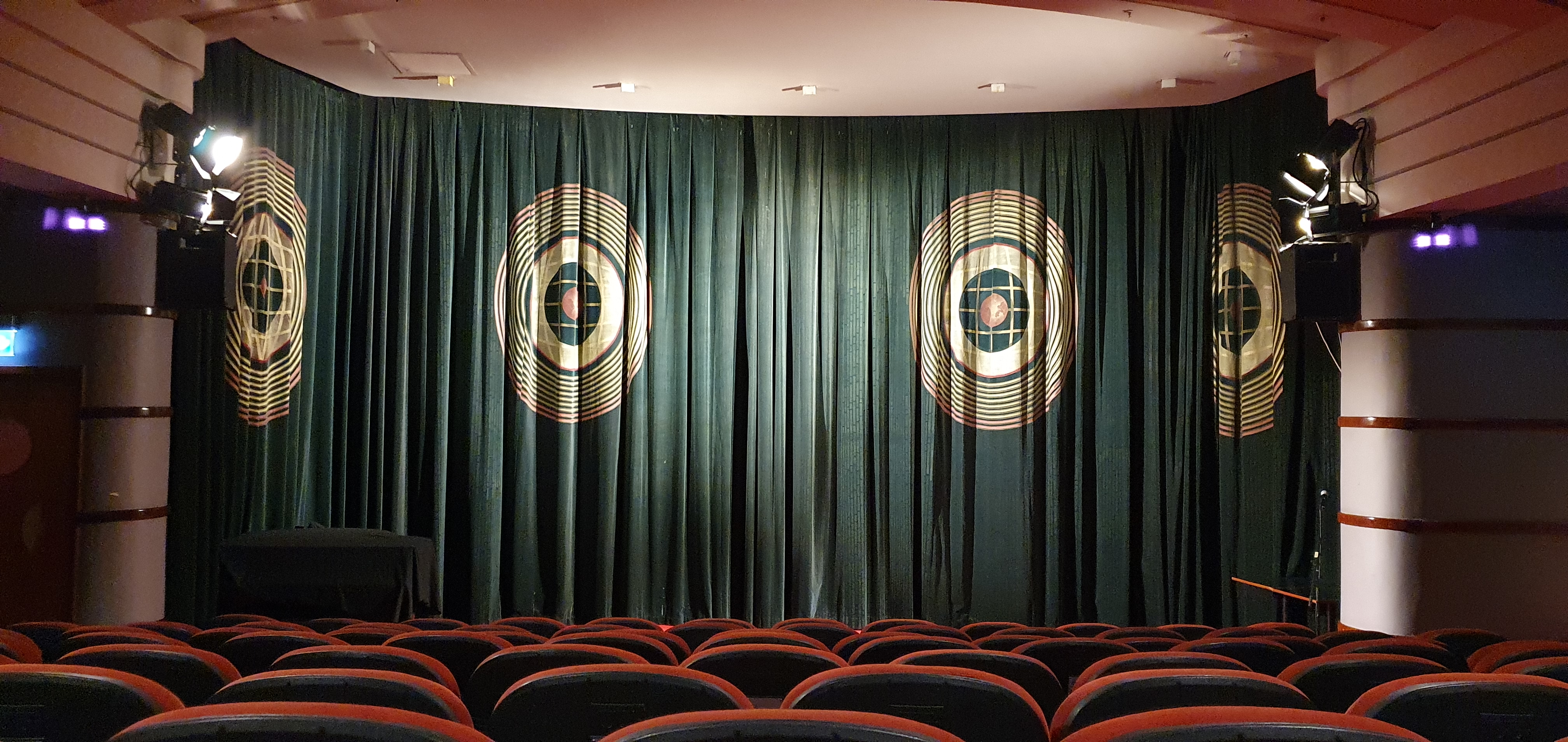
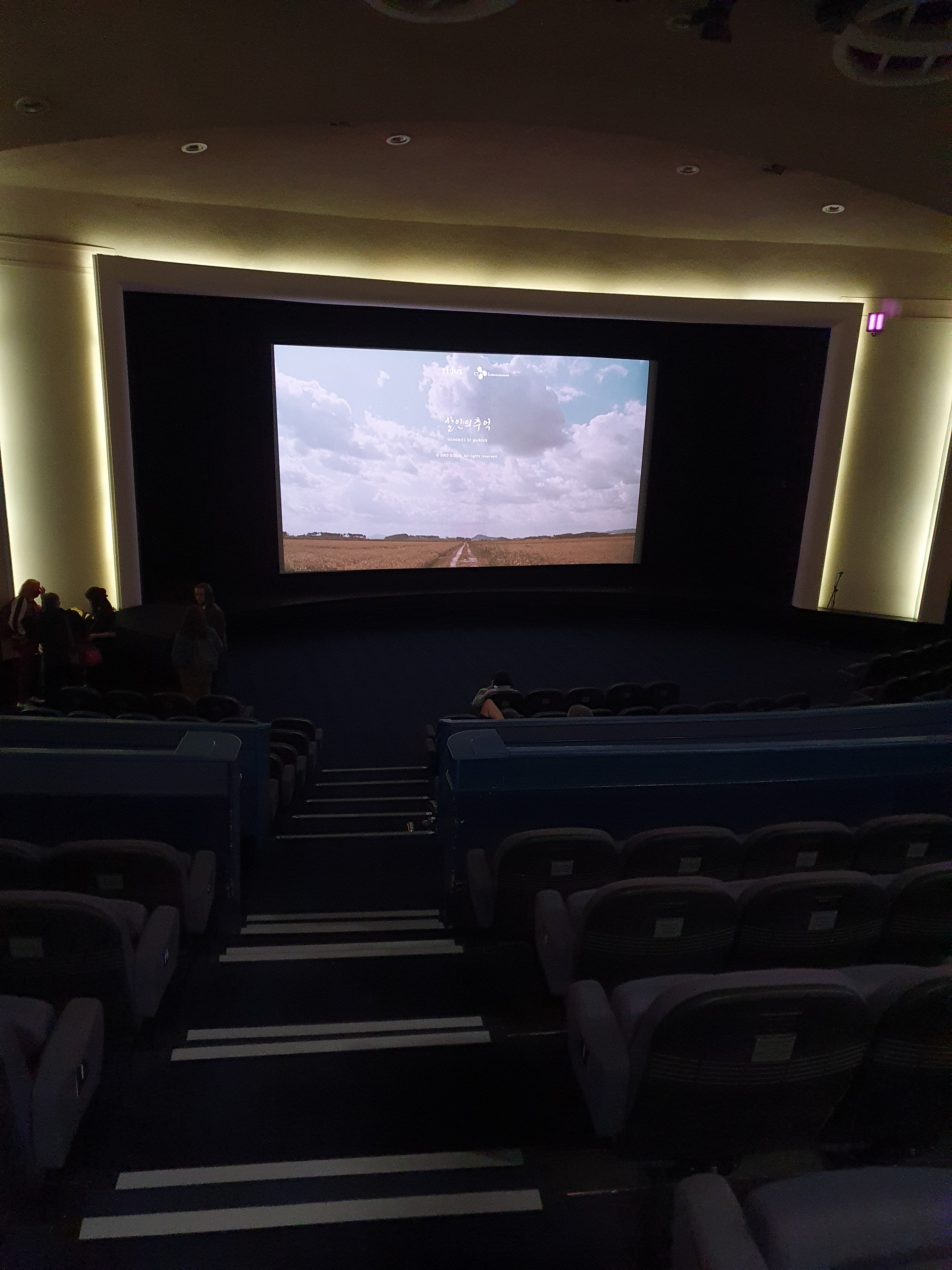
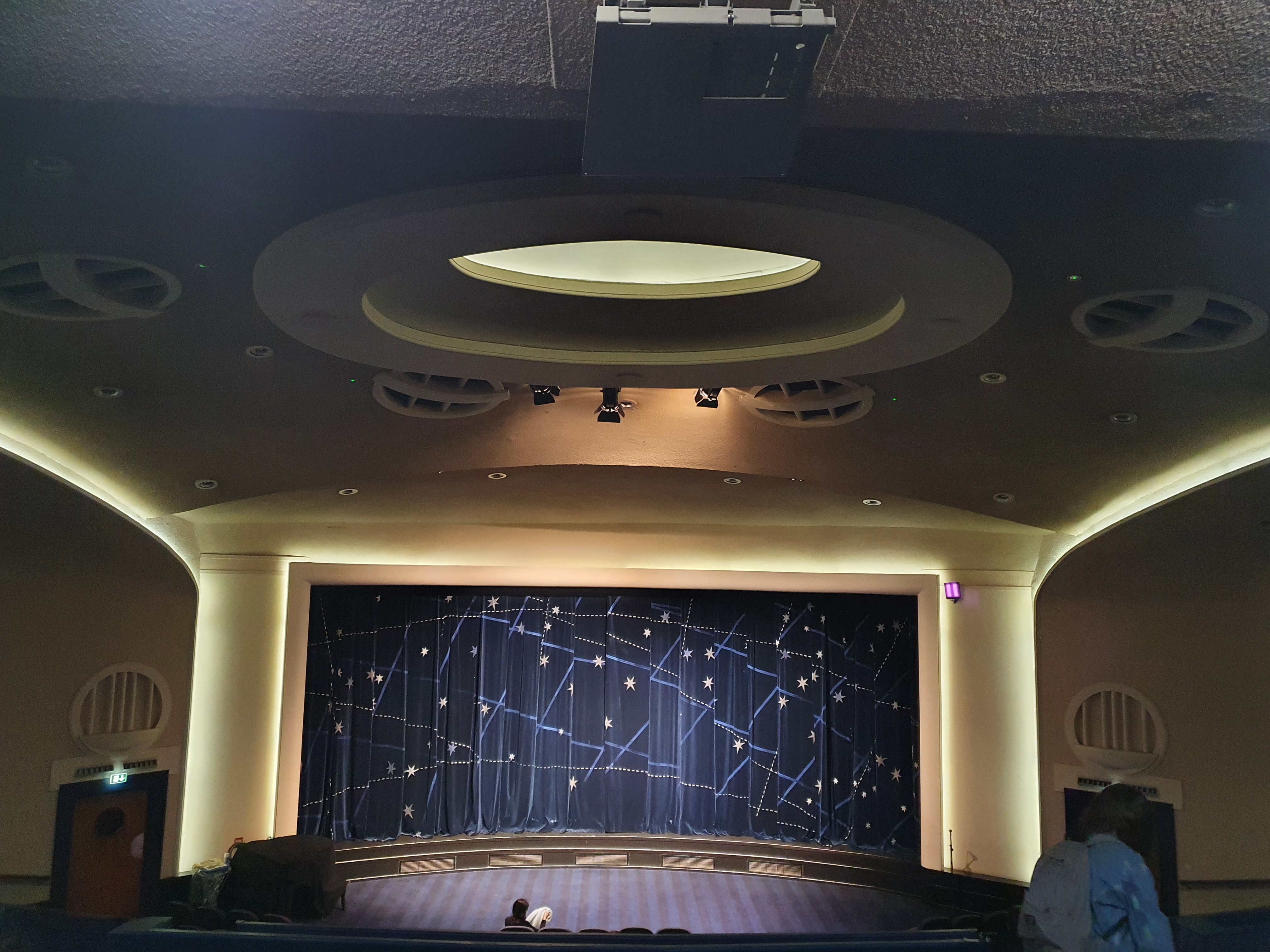
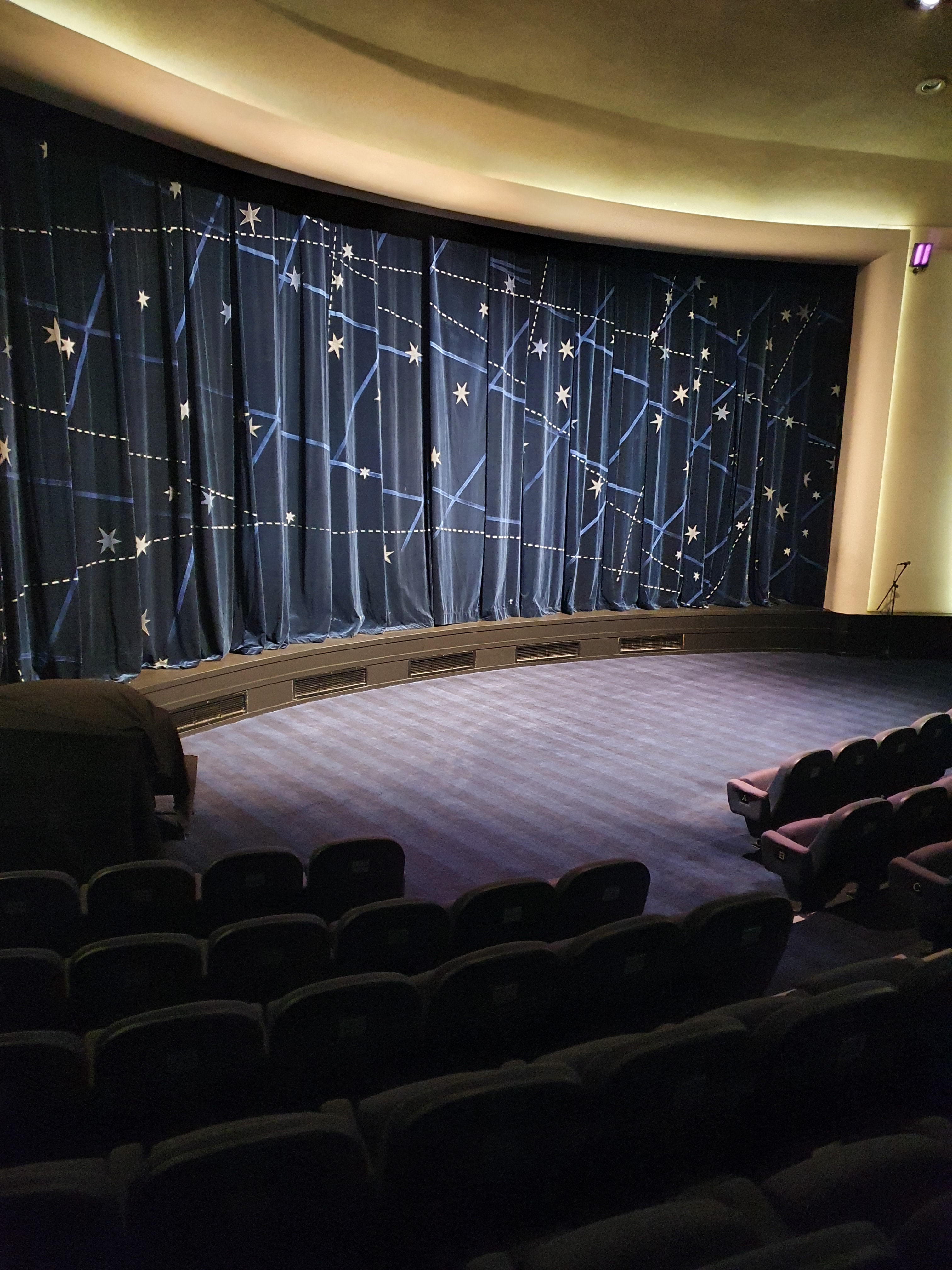
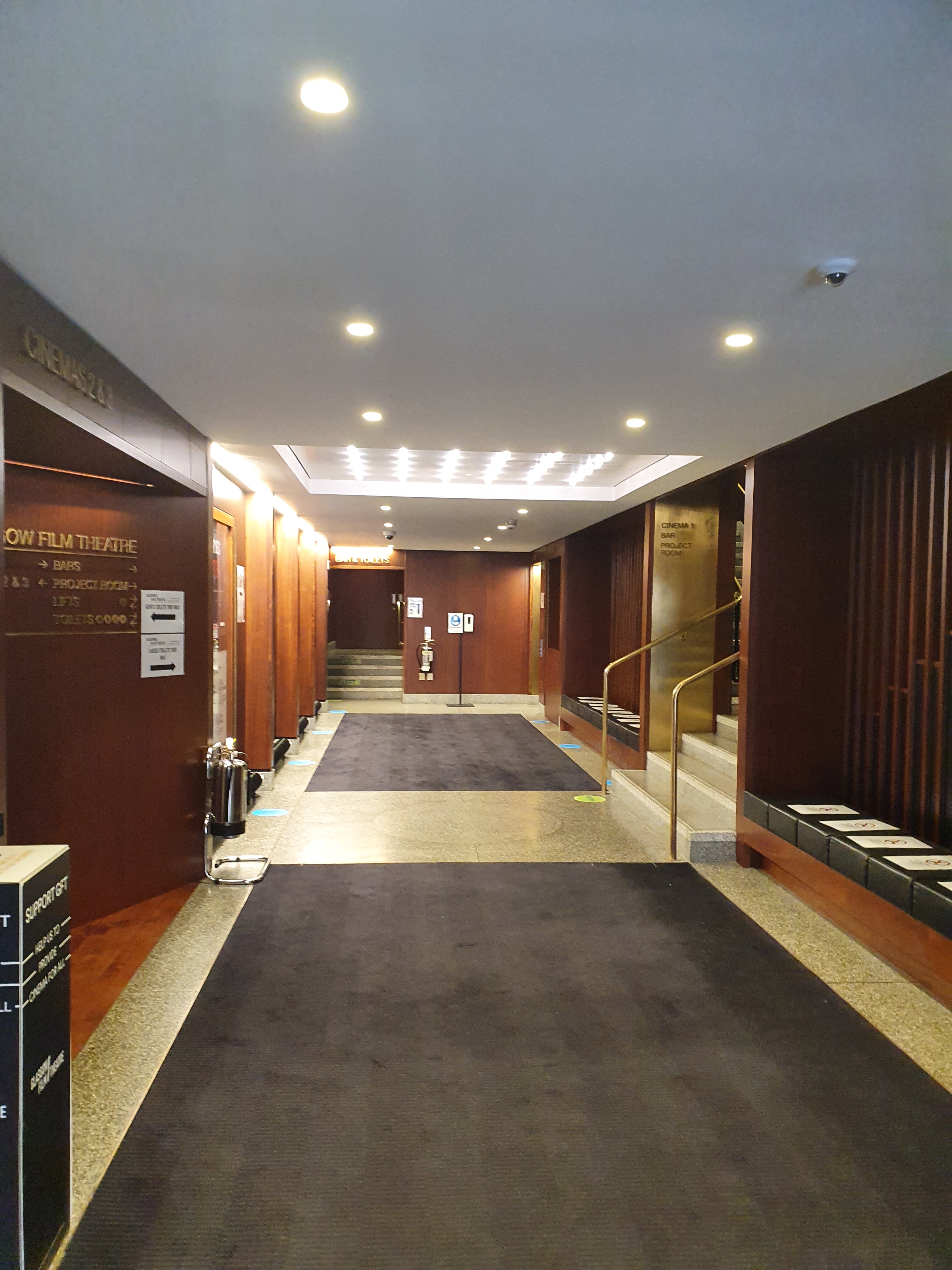
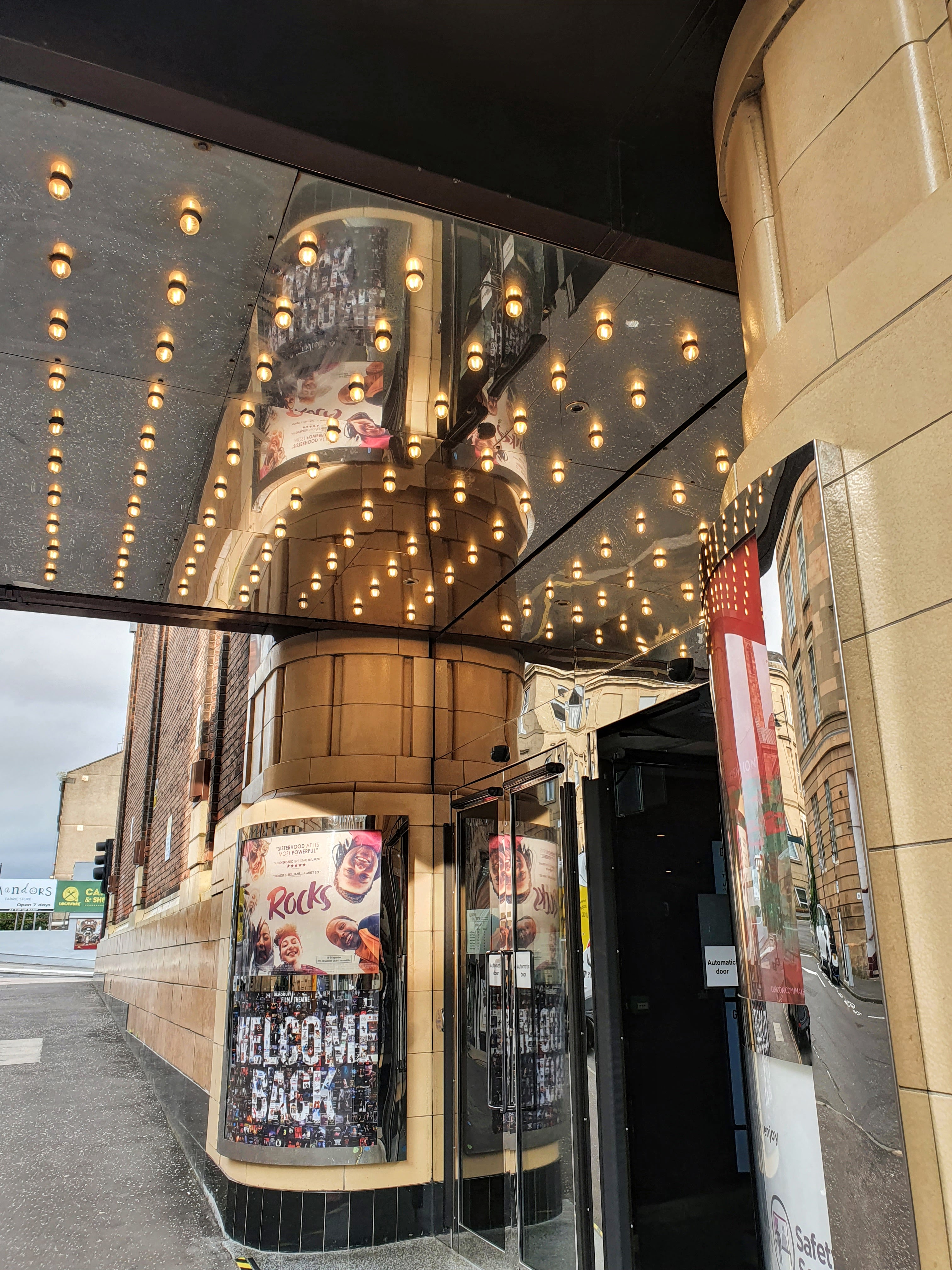
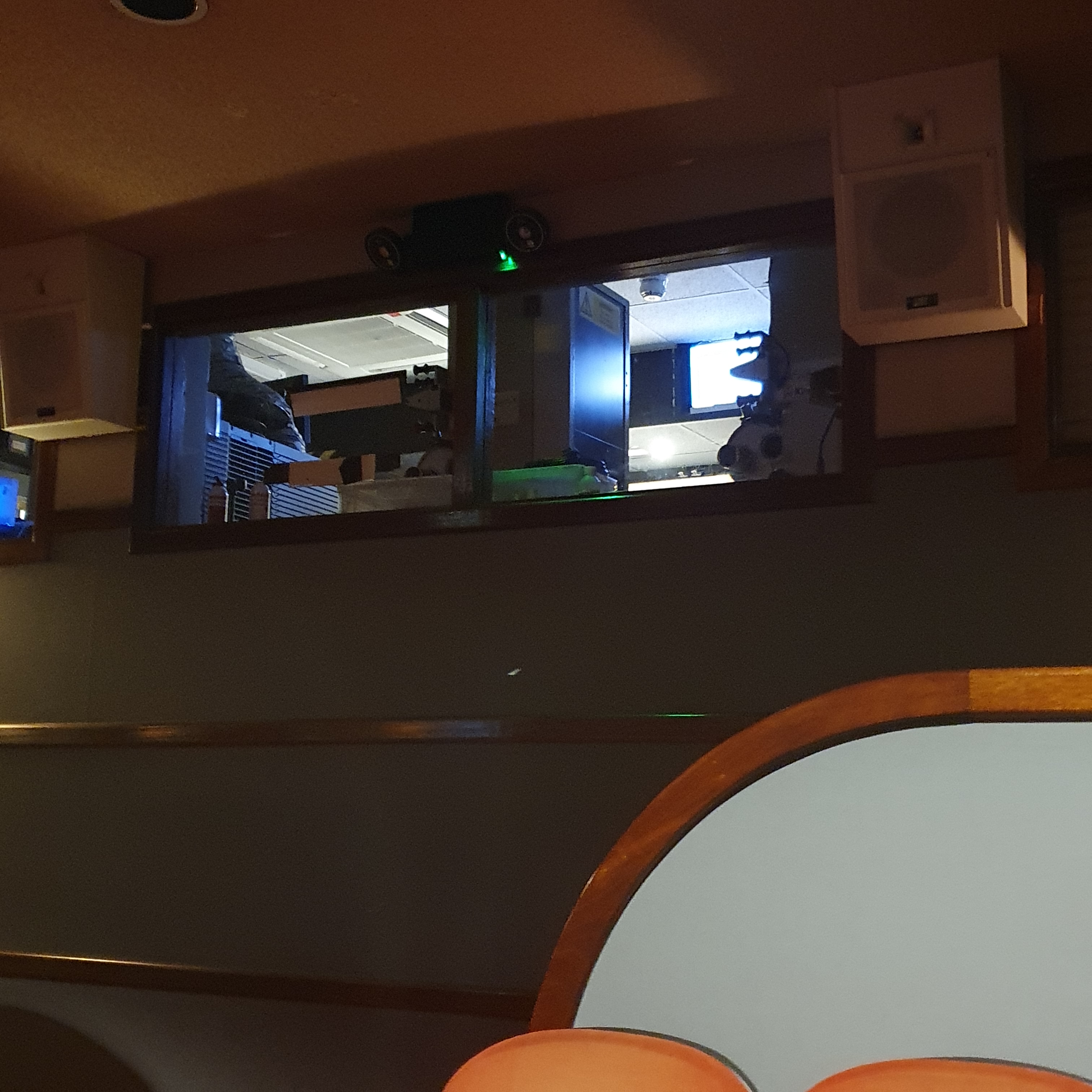
The Cosmo was the first art house cinema in the city, and the first outside London, when it opened in 1939 and was rebranded as the GFT in 1974. Thankfully, and despite competition from a few large scale chain cinemas, it survived and is still showing films from across the world today.
Frequent trips to the grand old cinema fostered a passion for films which didn’t rely on the whizz, bang, good versus evil superhero type escapades that I loved as a child.
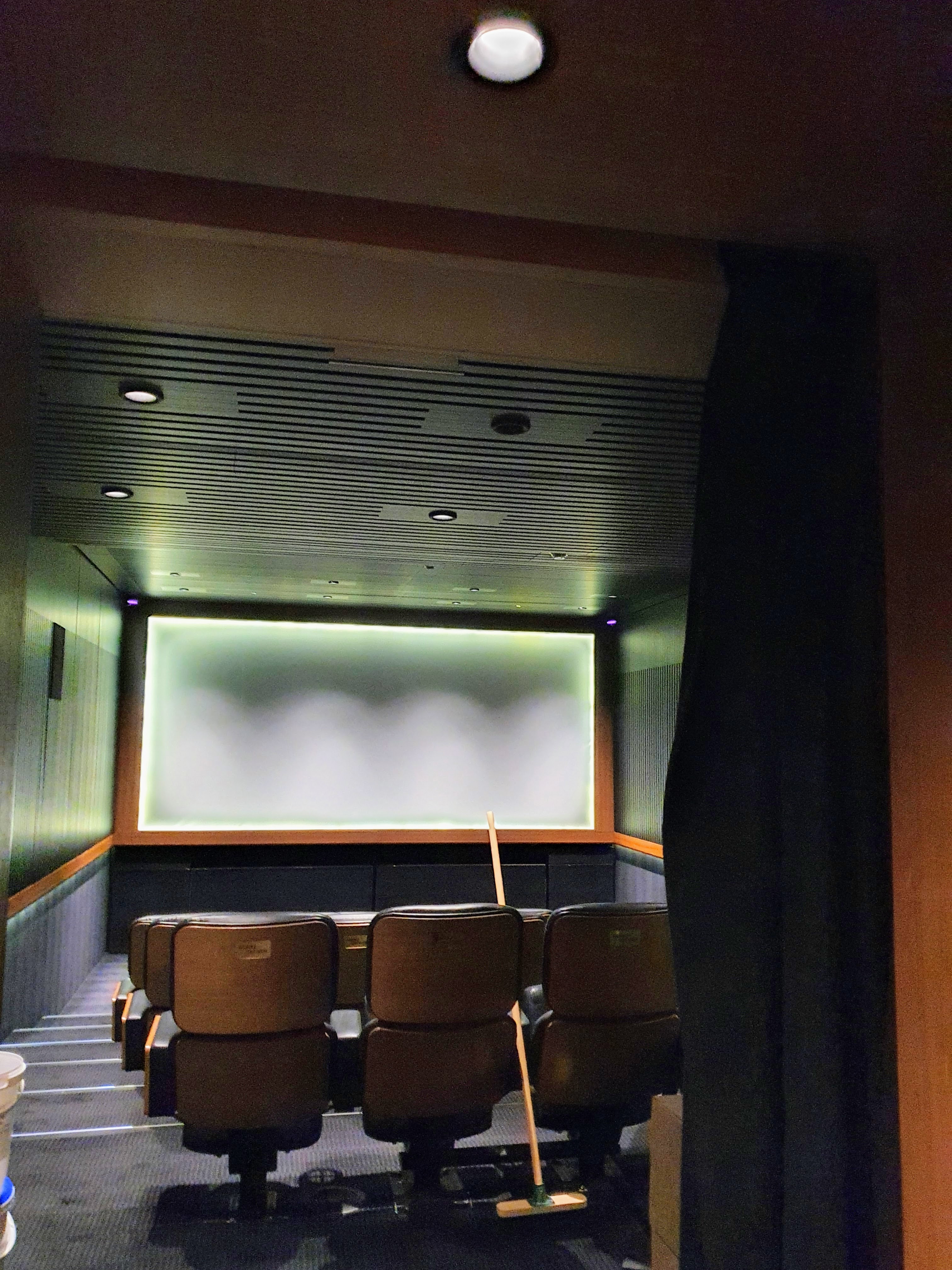
I even hired out the GFT’s second cinema and forced friends and family to sing along to the brilliantly ludicrous songs in Team America: World Police to celebrate my 30th birthday.


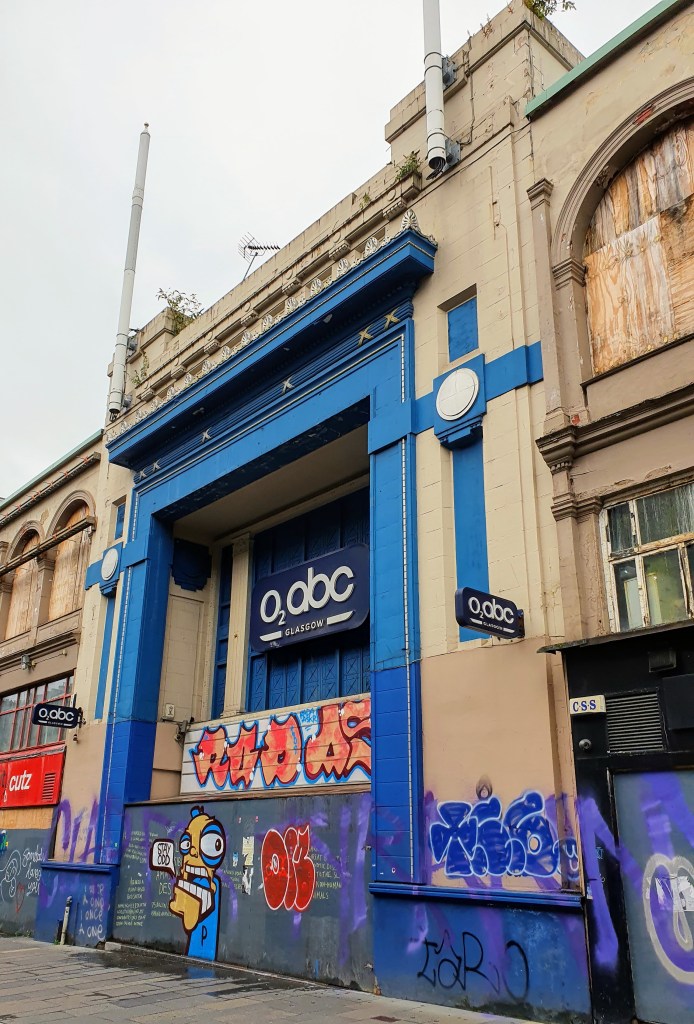
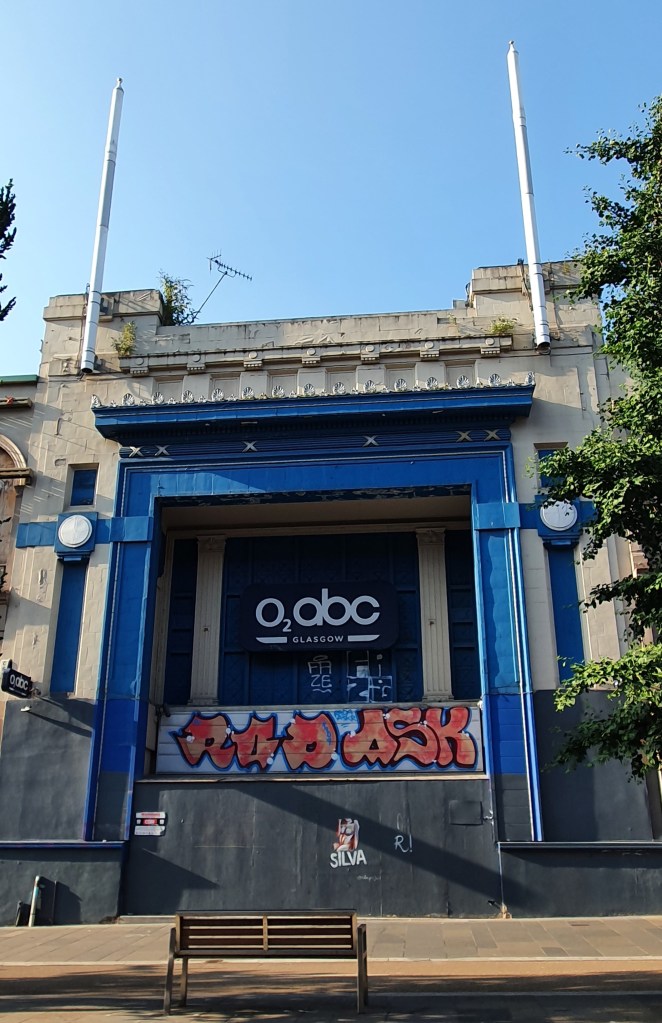
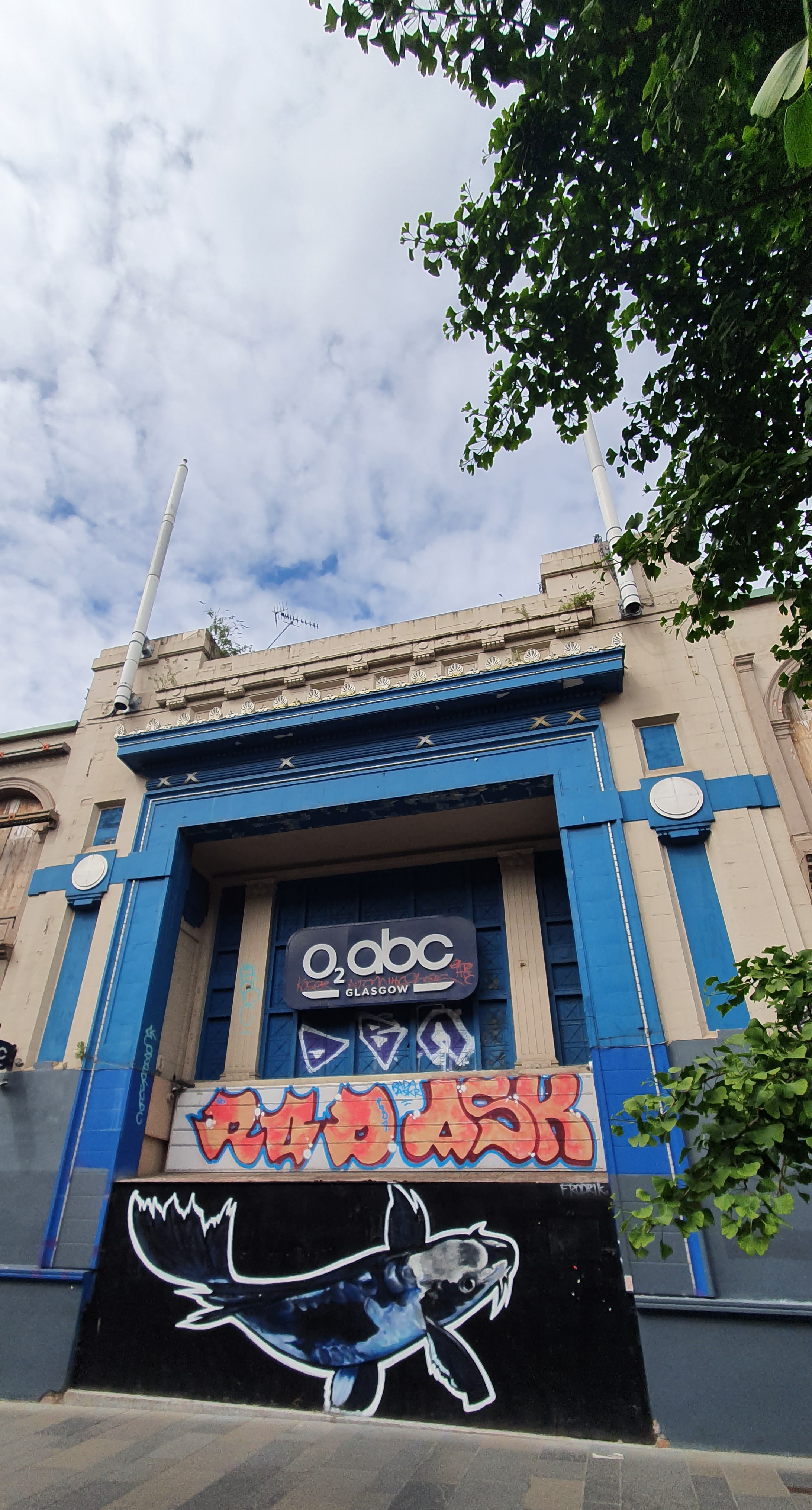
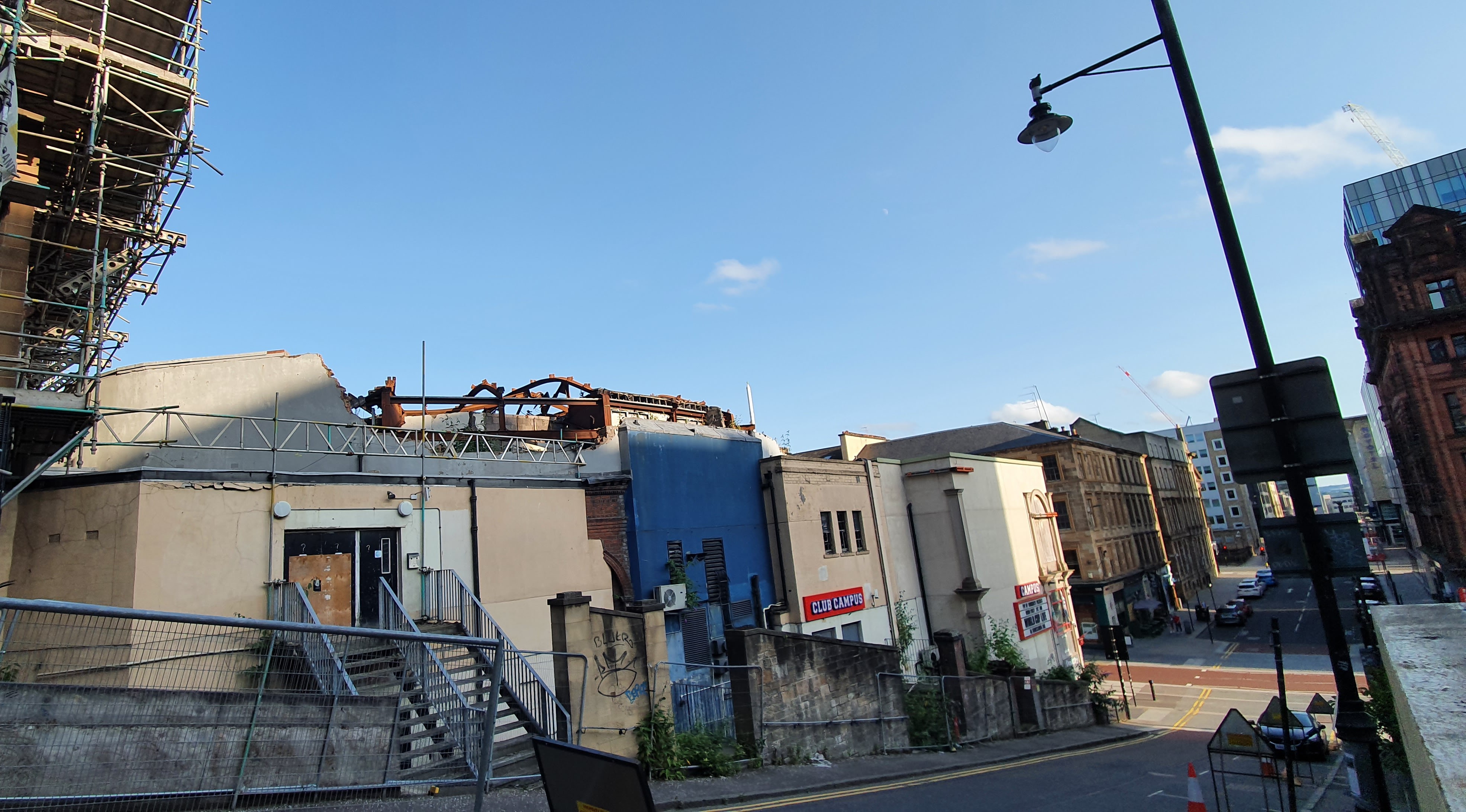
From the GFT it’s a very short walk to the ABC on Sauchiehall Street, which resembles a grim shell.
Only the exterior remains as it was almost completely destroyed by yet another blaze at the Glasgow School of Art in 2018.
The dilapidated building will probably never be restored and has even been earmarked for demolition. One of the oldest entertainment venues in Glasgow opened as a diorama in 1875 and was used for ice skating and as a circus and dance hall before being converted to a cinema in 1929. I have clear memories of lining up on the slope of Dalhousie Street as keen cinemagoers waited to pack the place out in the 1980s.
It ceased screening films in 1999 and was eventually converted into the O2 ABC music venue. I was fortunate enough to attend a concert there well before the fire and the building still retained a scintilla of its old magic.
Only the memories remain for the untold number that made it such a well known focal point for entertainment in the city.
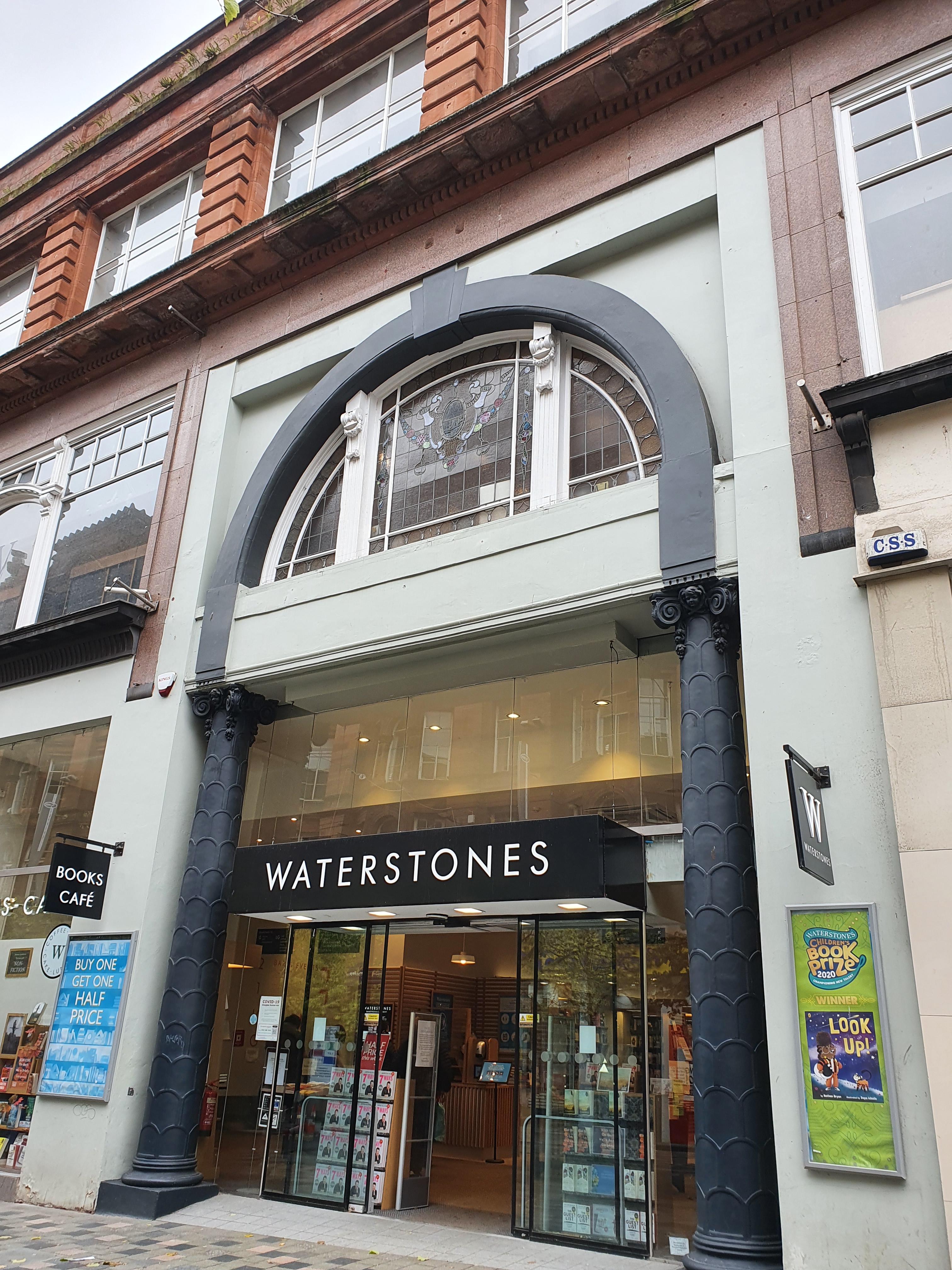
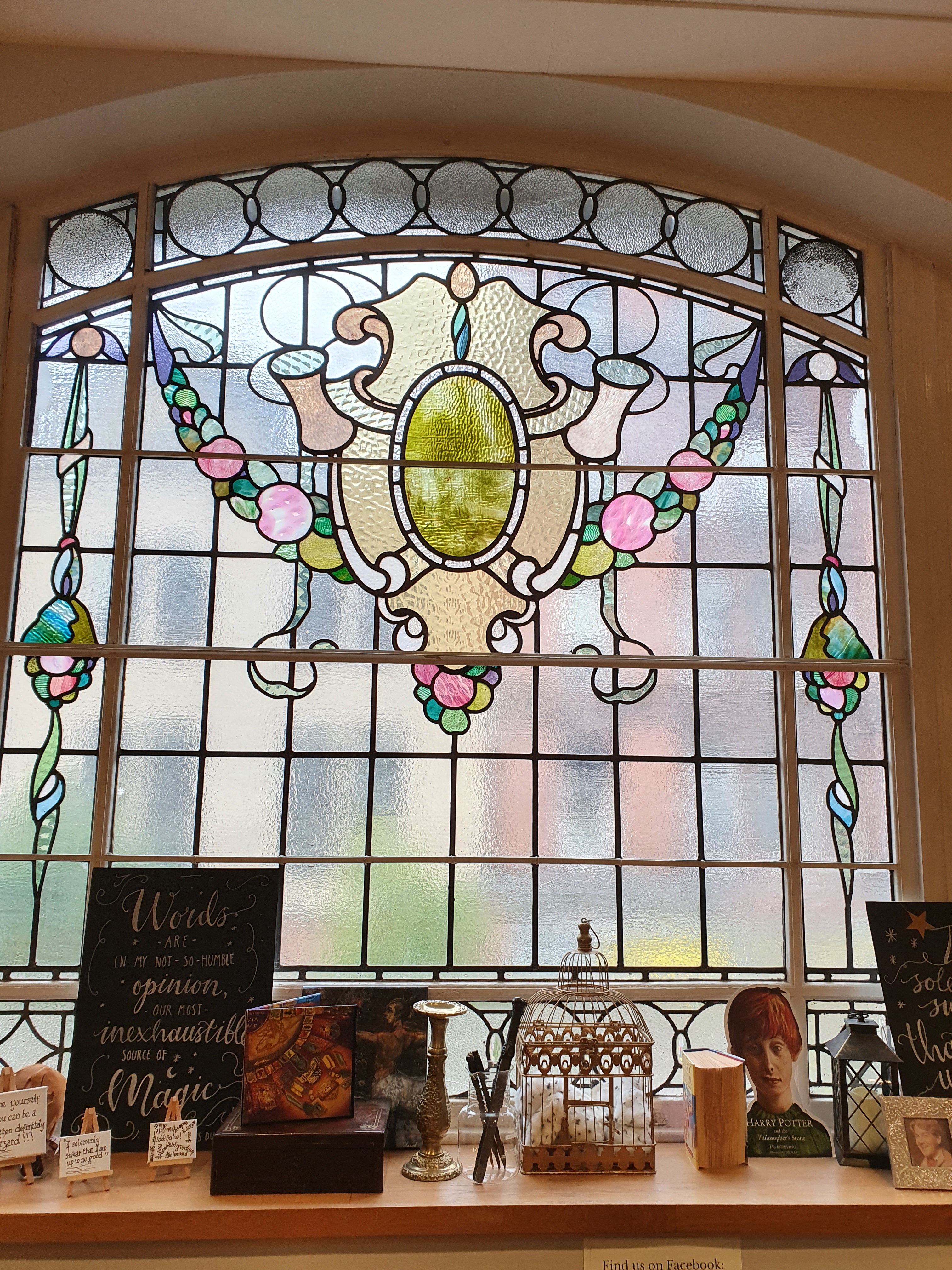
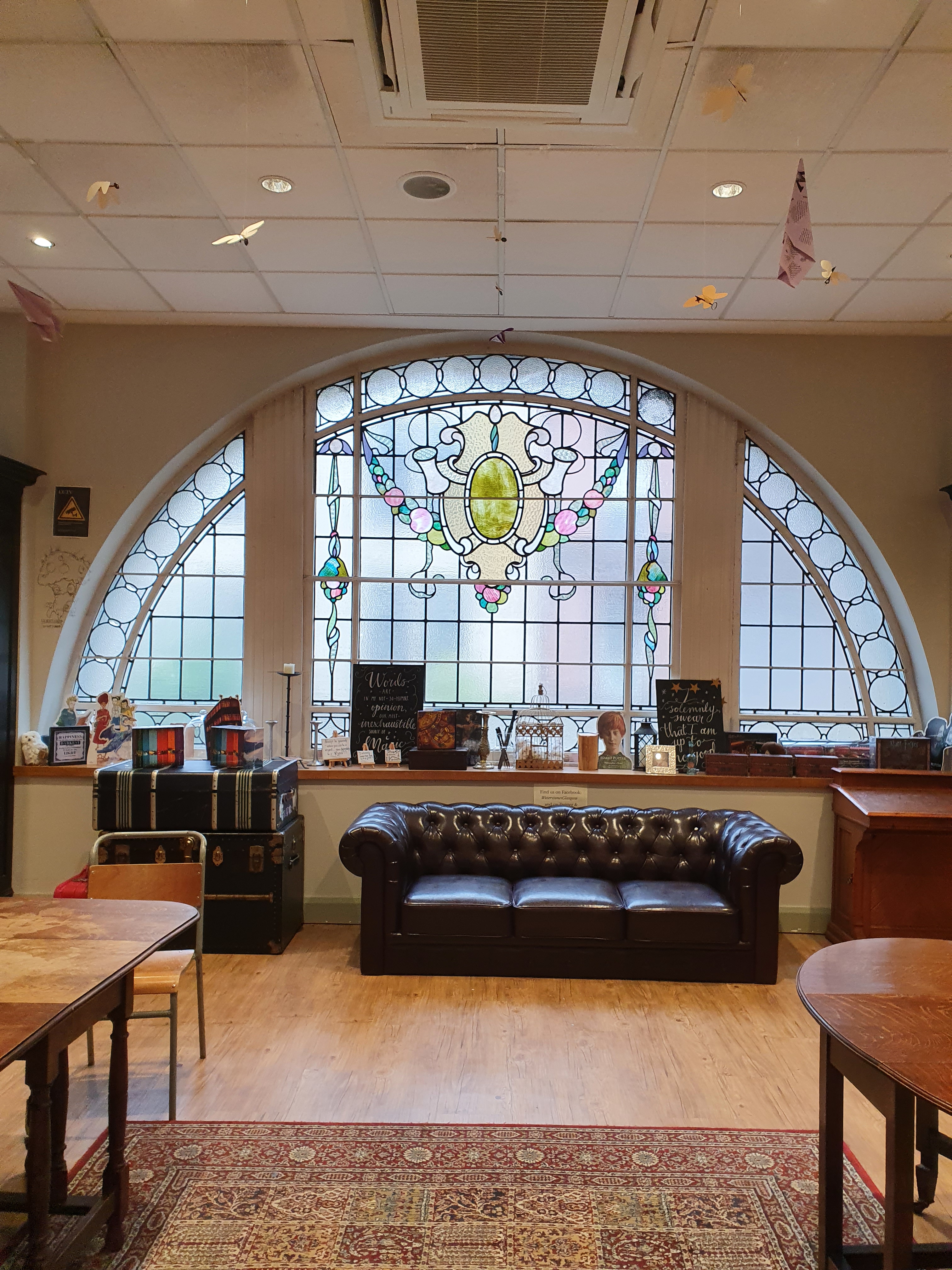
Heading down Sauchiehall Street towards Hope Street the grandly named La Scala was in operation from 1912 until 1984 (the 80s was a particularly grim decade for long standing cinemas) and was partly refurbished into a bookshop with its entrance and beautiful stained glass window still intact.
Just across the street all that’s left of the Gaumont (1910-1972) is the facade with the building now The Savoy Centre.
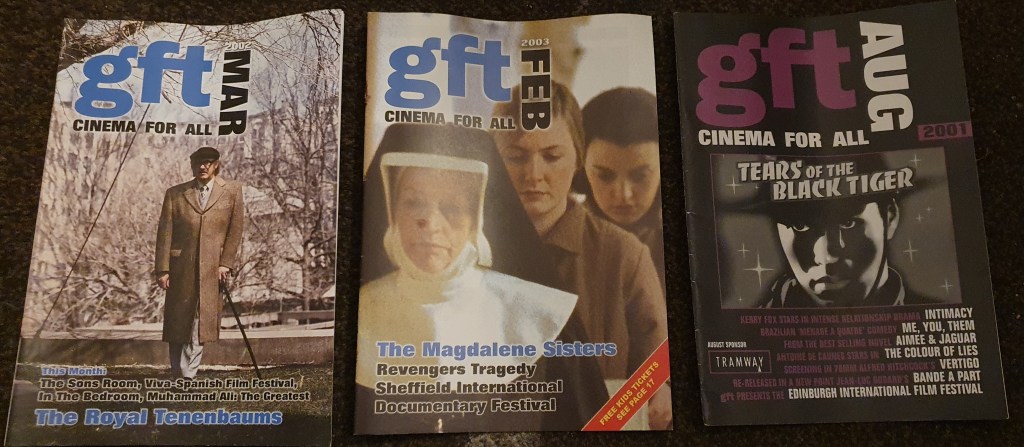
My motivation for cinema spotting increased through social distancing restrictions during the Covid pandemic. At the same time I sorted through dozens of old ticket stubs, posters, booklets and other assorted film memorabilia as part of a huge clear out.
Ready with my camera and phone in hand I gradually focused on the south side but not before a few more trips to the city centre on foot.

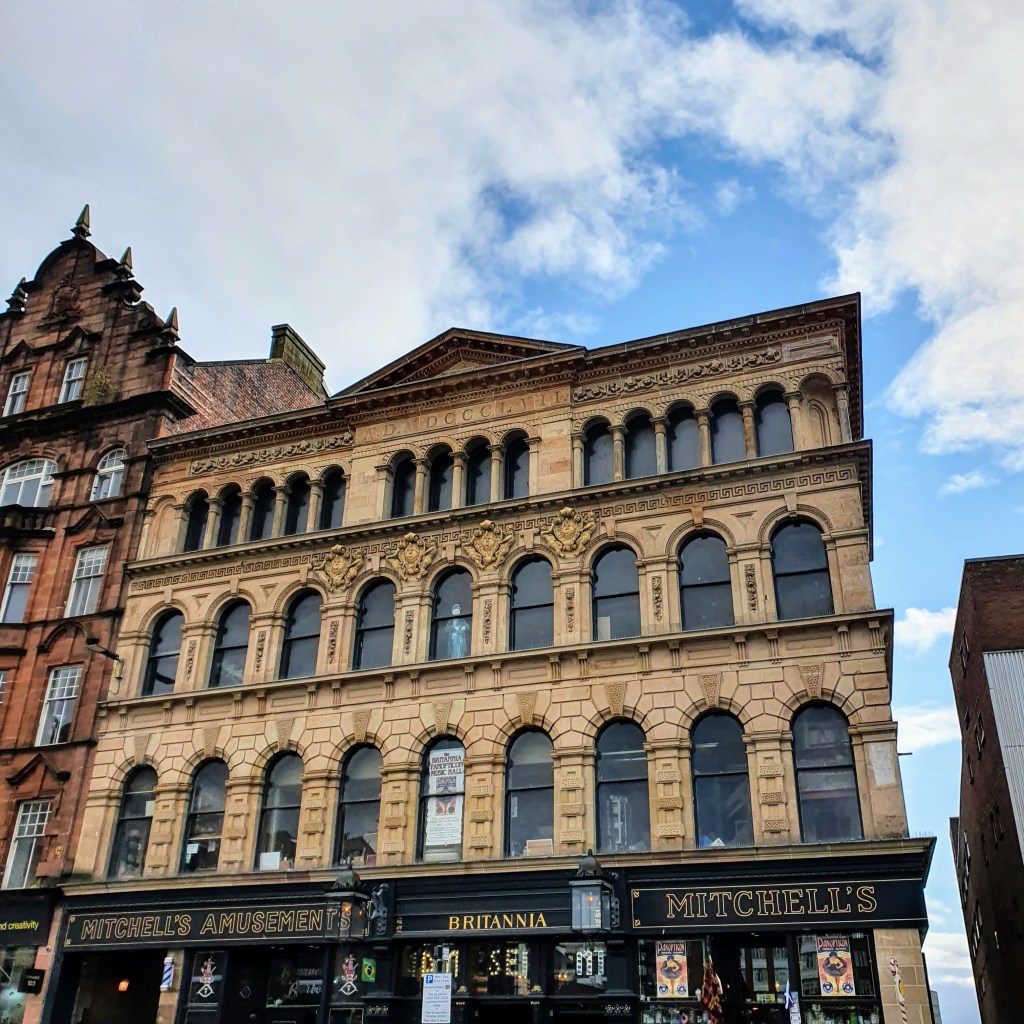
The wondrous frontage of the Britannia Panopticon – opened in 1857 as a variety hall which went on the show films until its closure in the 1930s – had been lovingly restored in the Trongate. Billed as the oldest surviving music hall in the world it had escaped the wrecking ball and looked magnificent from the outside.
The Coliseum, which I vaguely recall from bus journeys to and from school to the west end, suffered a similar fate to many other cinemas when it was ripped apart by fire and quickly demolished in 2009.
Located near Bridge Street subway on Eglinton Street it was built in 1905 and renovated as Scotland’s first Cinerama to much fanfare in 1963. Its gargantuan 90 foot screen was among the largest in the United Kingdom although it stopped showing films in 1980 and was a bingo hall before disappearing completely.
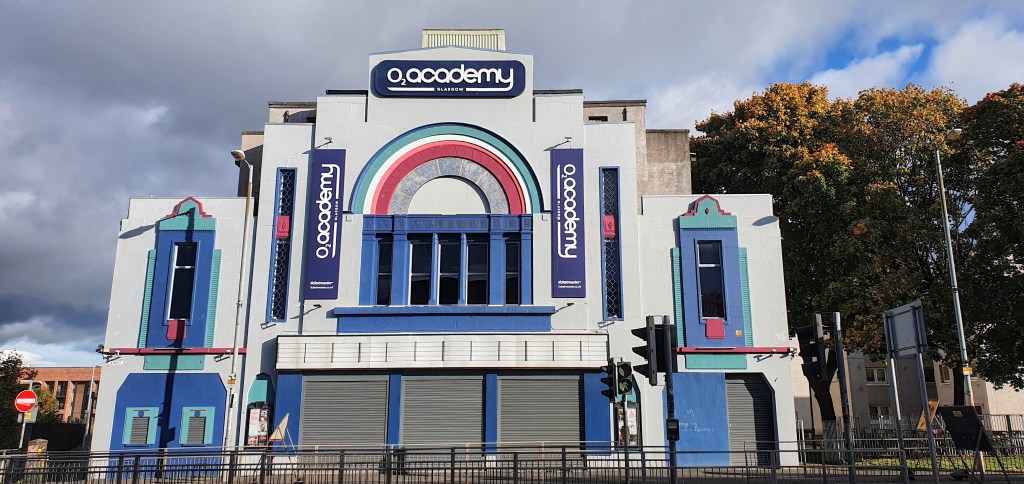
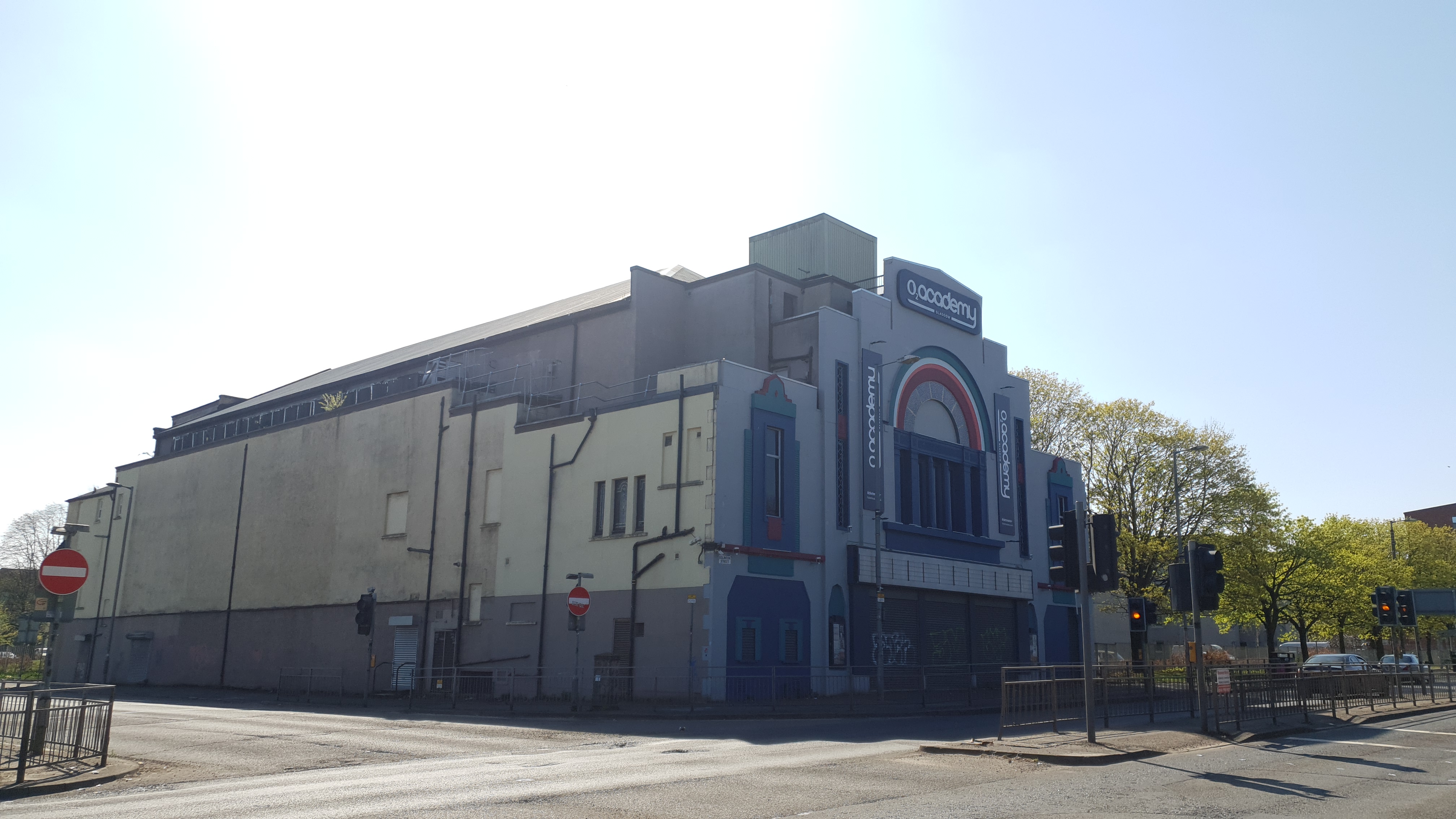
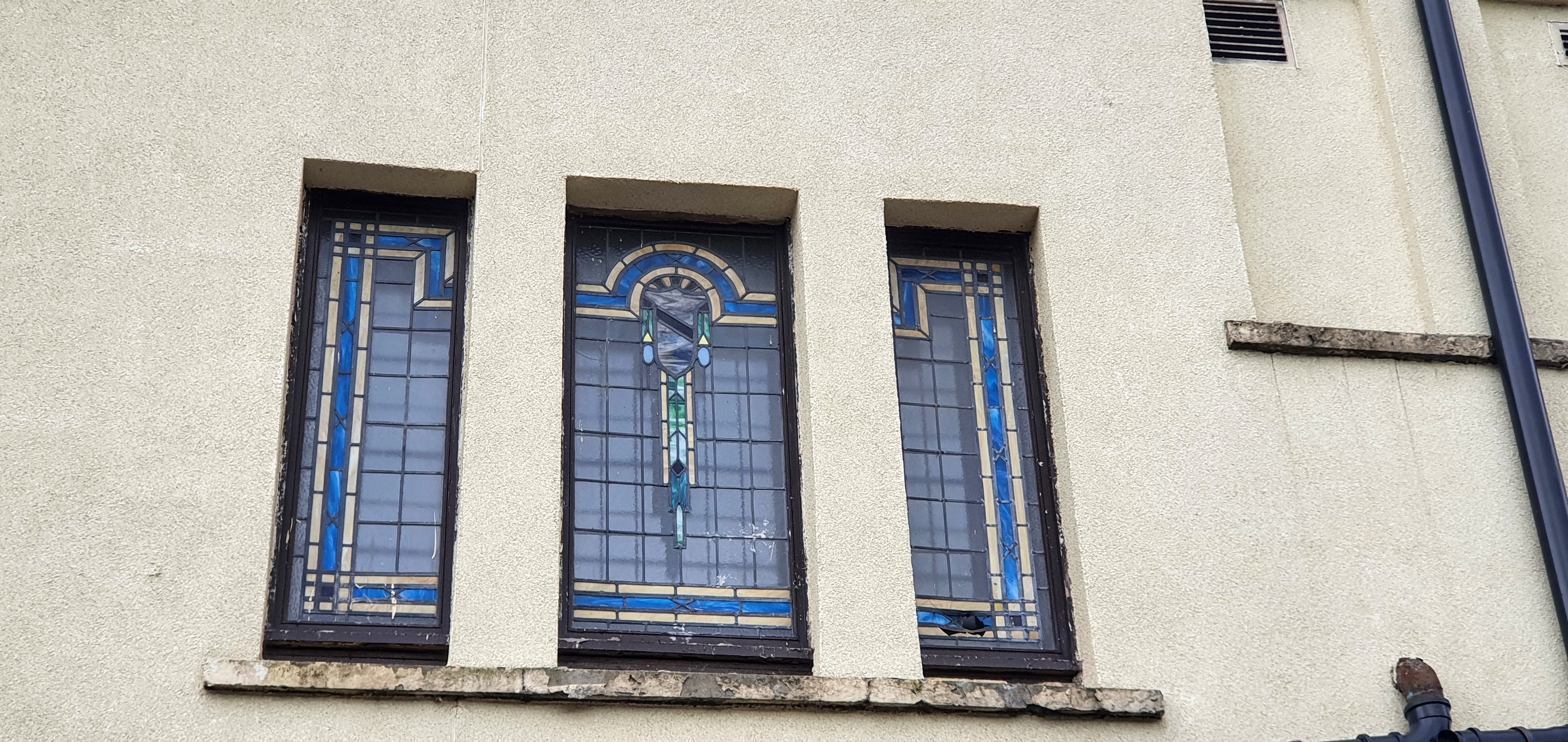
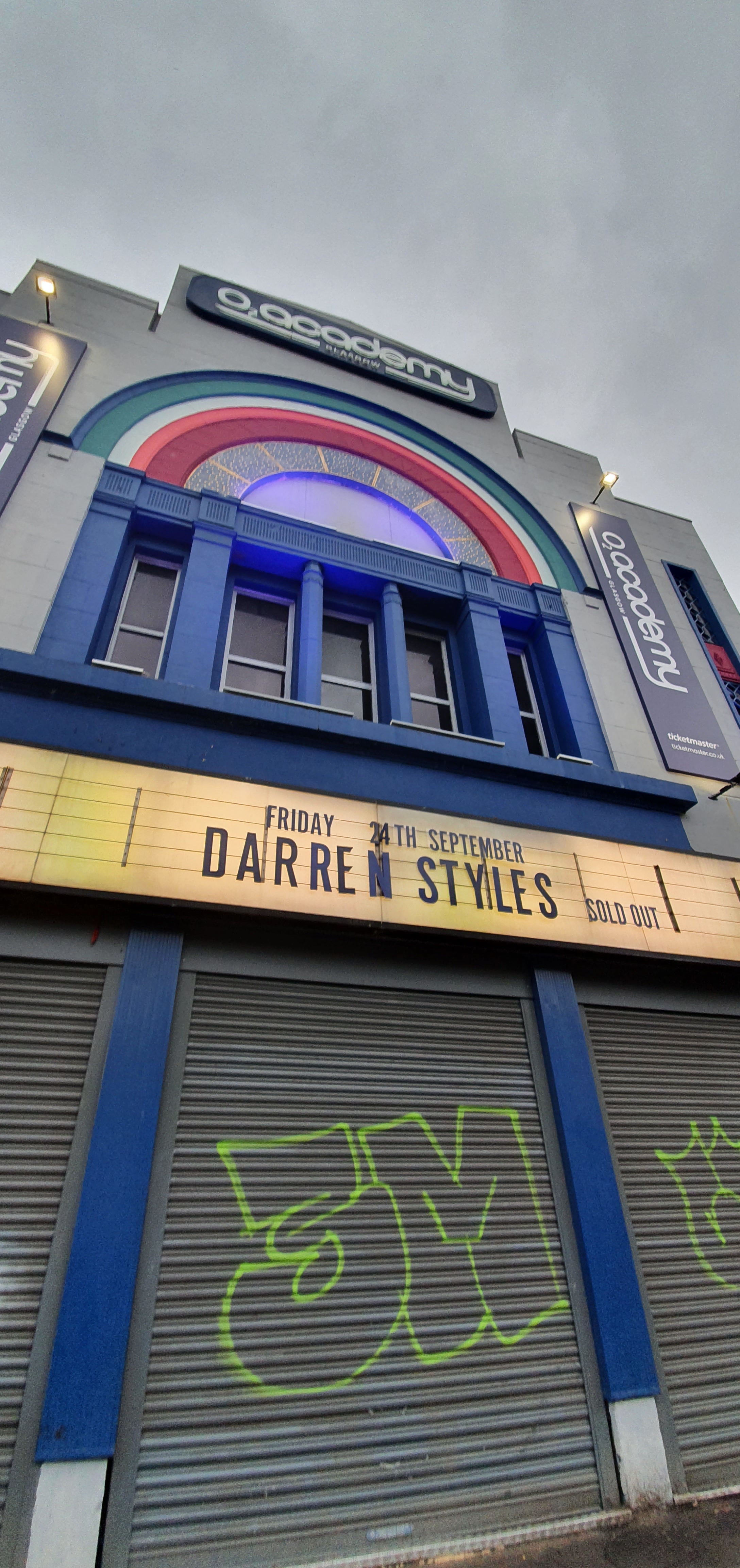
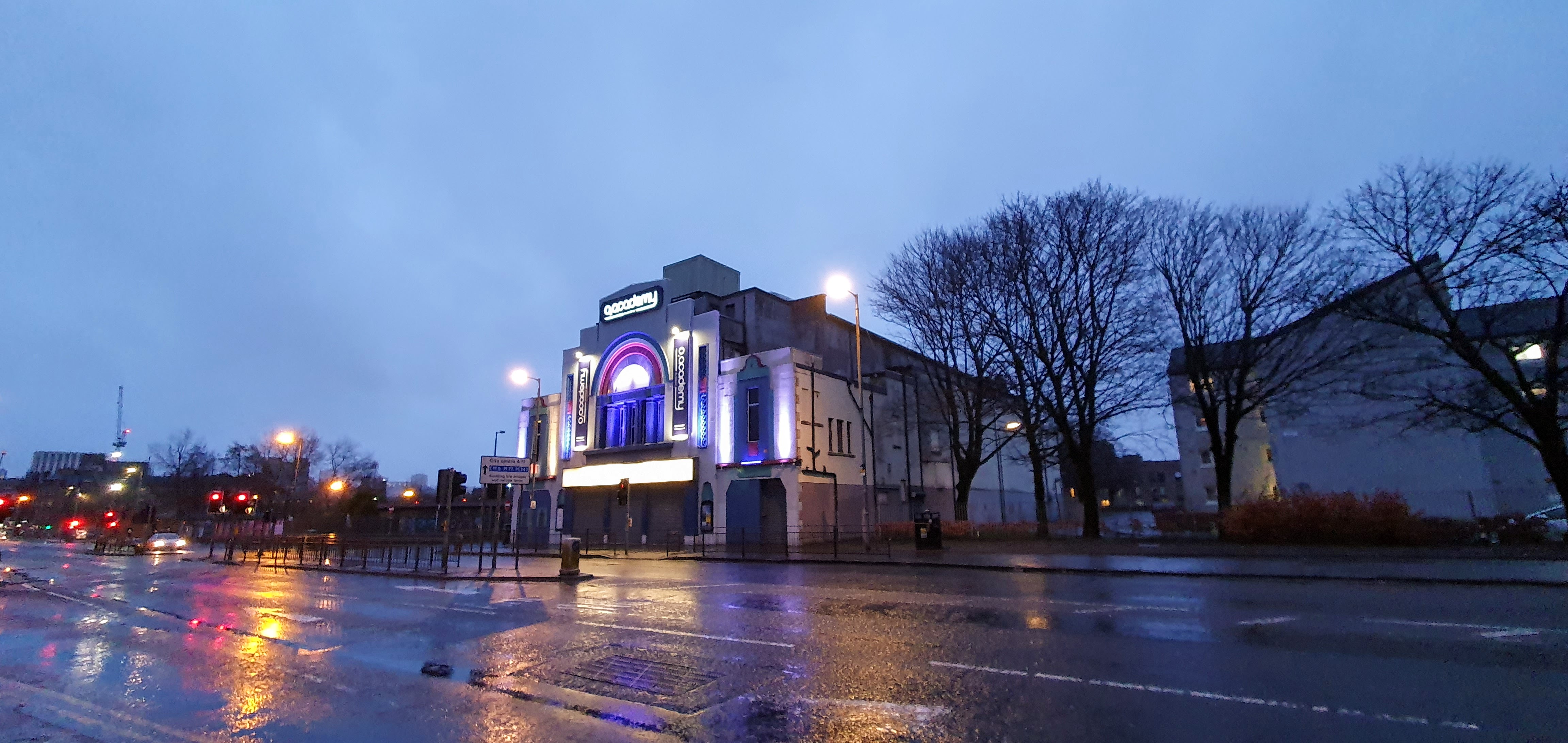
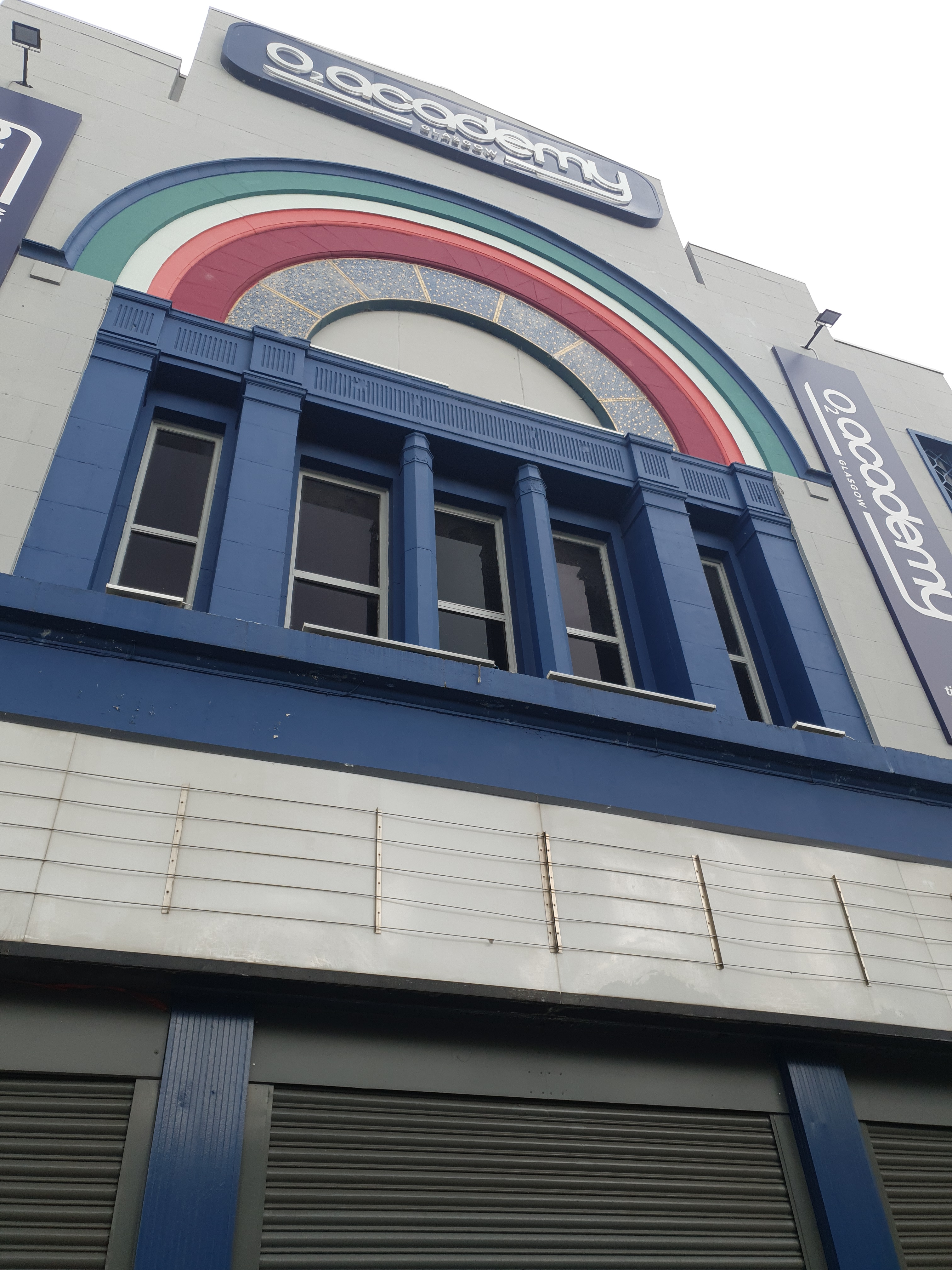
Only a few footsteps away the Coliseum’s rival as both a cinema and bingo hall, the New Bedford, was enjoying a second lease of life as the O2 Academy music venue.
Rebuilt in 1932 after it burned down (shock, horror) in 1921 it endured as a cinema until 1973 and was used for bingo up until 1993. A decade passed before it was brought back to some of its old grandeur and it’s a stunning landmark in an otherwise bland street filled with traffic. Both inside and out it has been tastefully revamped, something I can attest to after going to comedy and music shows in the historic old cinema.
Long, mind clearing speed walks along every pathway of Queens Park, and round its two ponds, sometimes led into Shawlands.
There’s not a single trace of the grand Embassy on Kilmarnock Road, which was a cinema from 1936 to 1965. Flattened and used as a supermarket (and then pub) there’s nothing to suggest a film house ever existed anywhere near the hideous architectural monstrosity of the Shawlands Arcade.
The wonderfully named White Elephant – its moniker chosen after a competition – occupied a huge space further along on Kilmarnock Road with a sculpture of the animal at the top from 1927 until 1960. The elephant was removed, as was the upper part of the structure, and it eventually resurfaced as shops and nightclubs before it succumbed to the curse of fire just this month (July 2023).
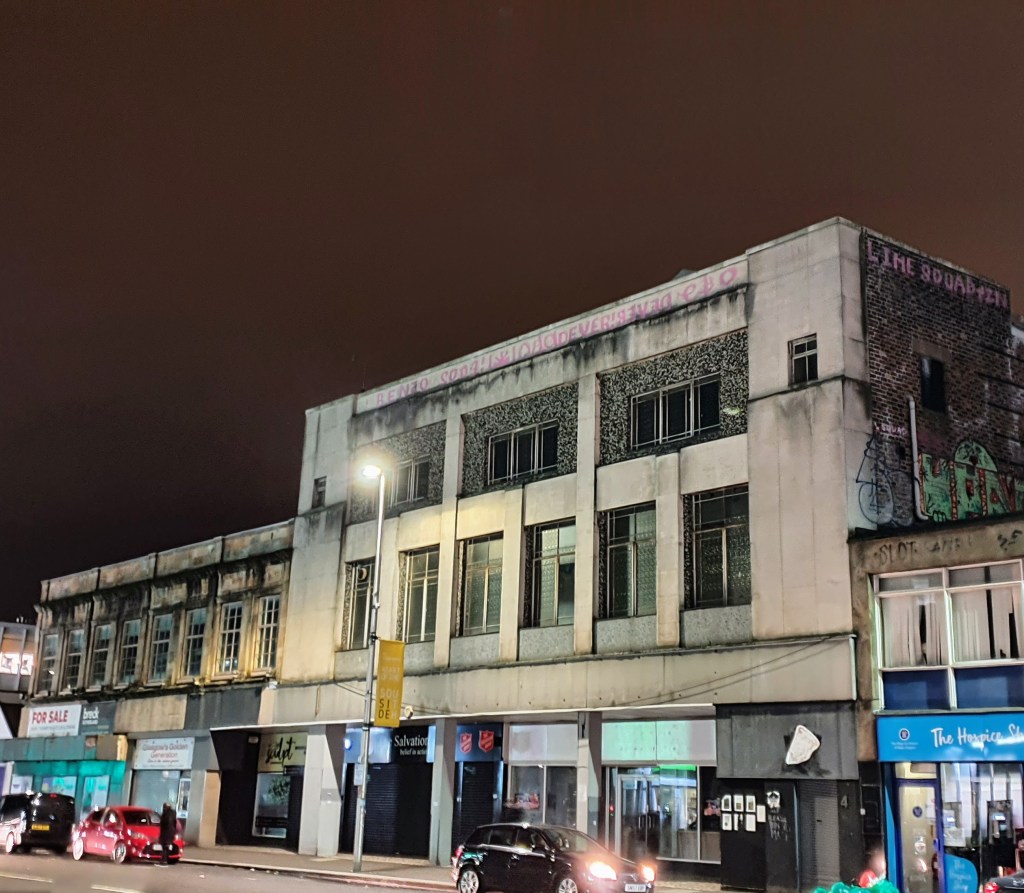
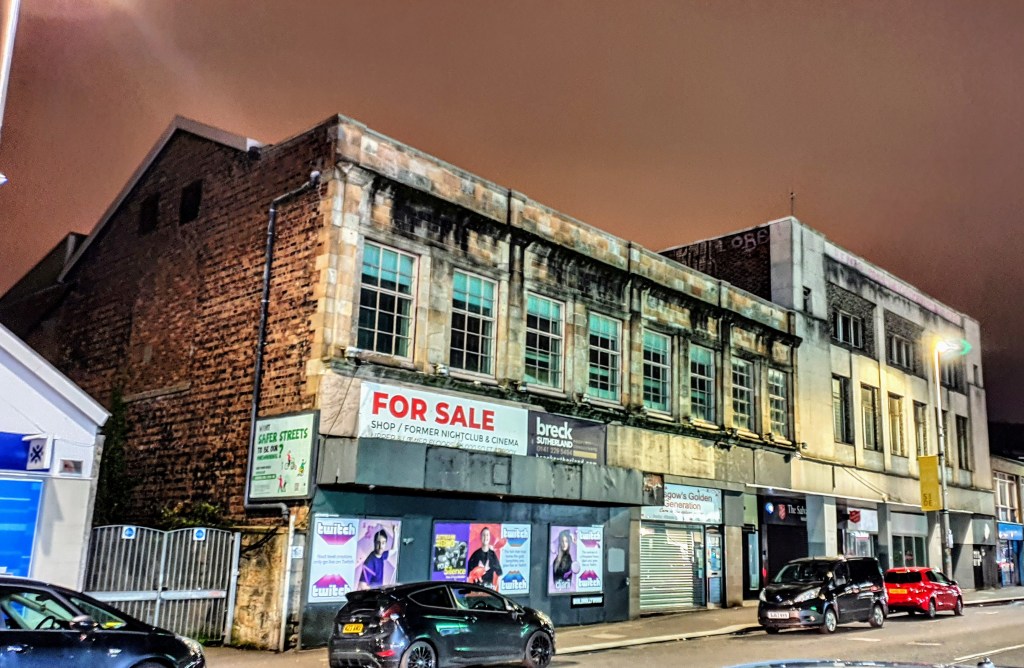
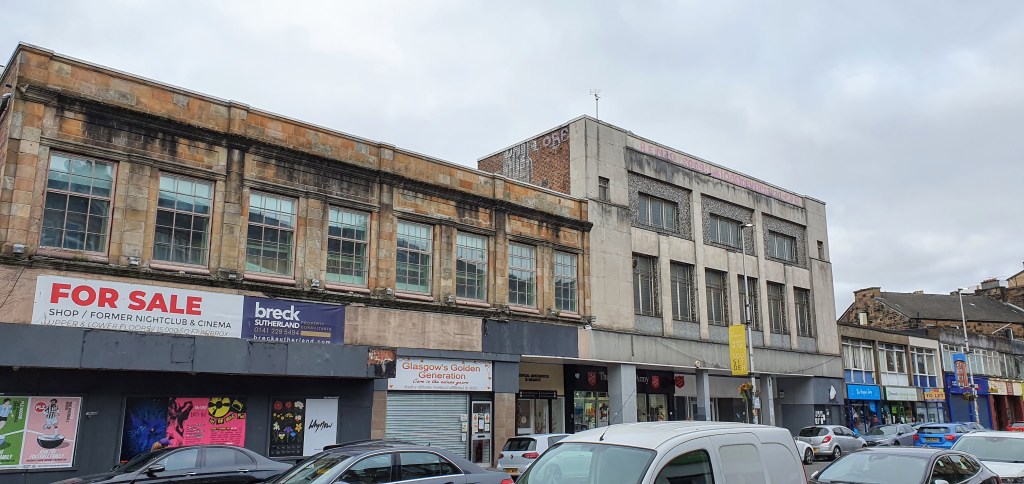
There have been a rather alarming amount of buildings torched in the city, many to be replaced by soulless cheap lego identikit apartment blocks.
At one rather optimistic point in the last decade it was thought that the Elephant was to be reimagined as a south side GFT. Sadly it now seems as though it’s just a matter of time before the building is reduced to dust.
A couple of minutes walk away the distinctive dome of the Waverley, and later ABC cinema, still stands proudly. Constructed in 1922 it screened films up to 1973 and was then repurposed for bingo, snooker and latterly a bar, nightclub and restaurant.
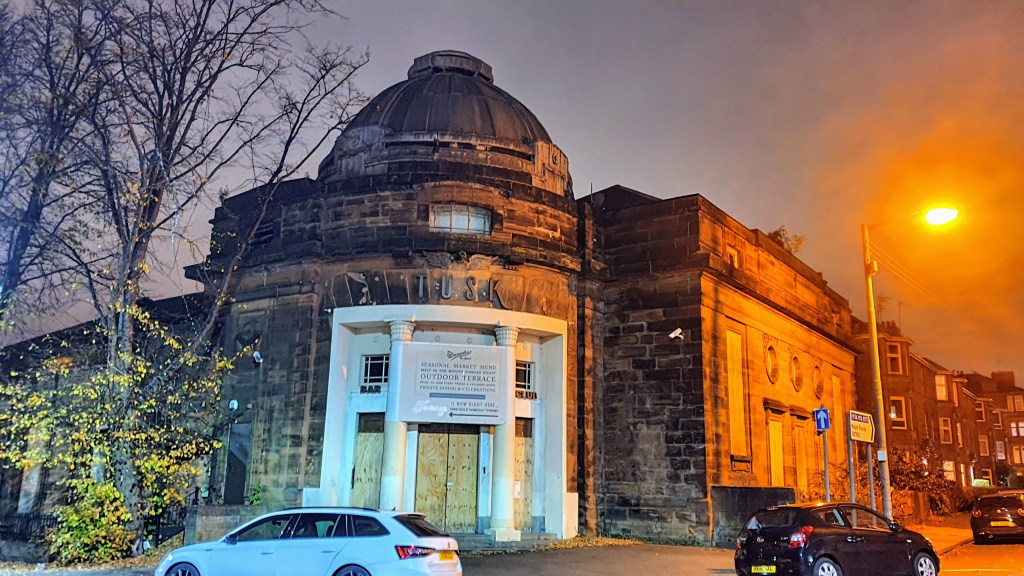
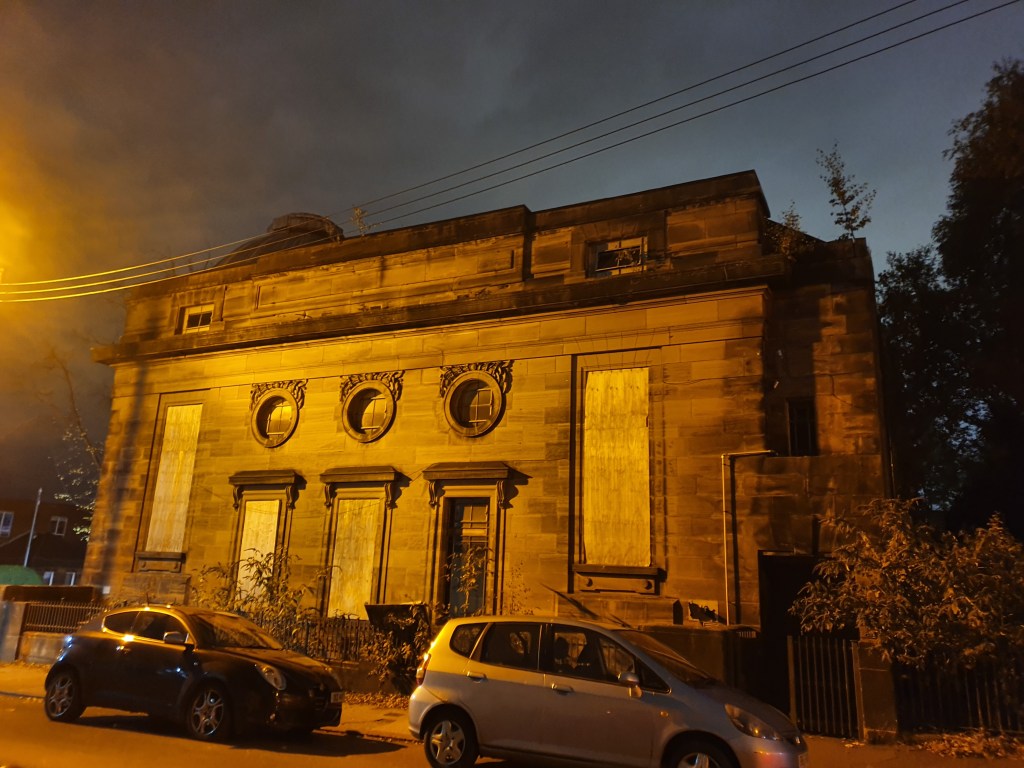
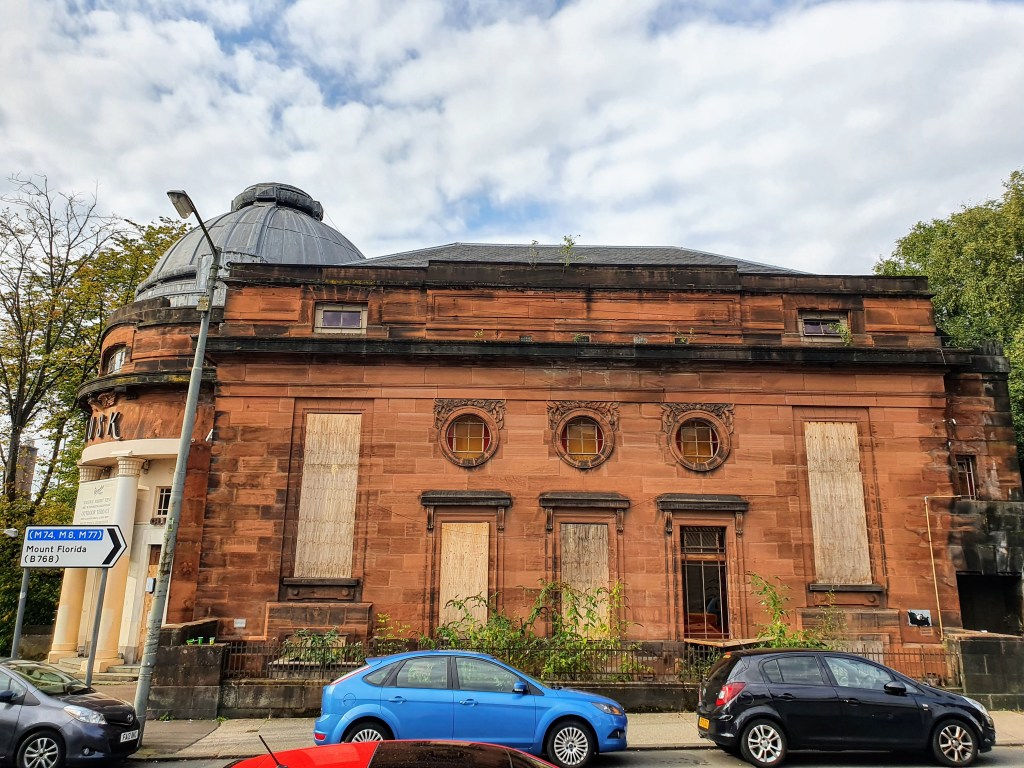
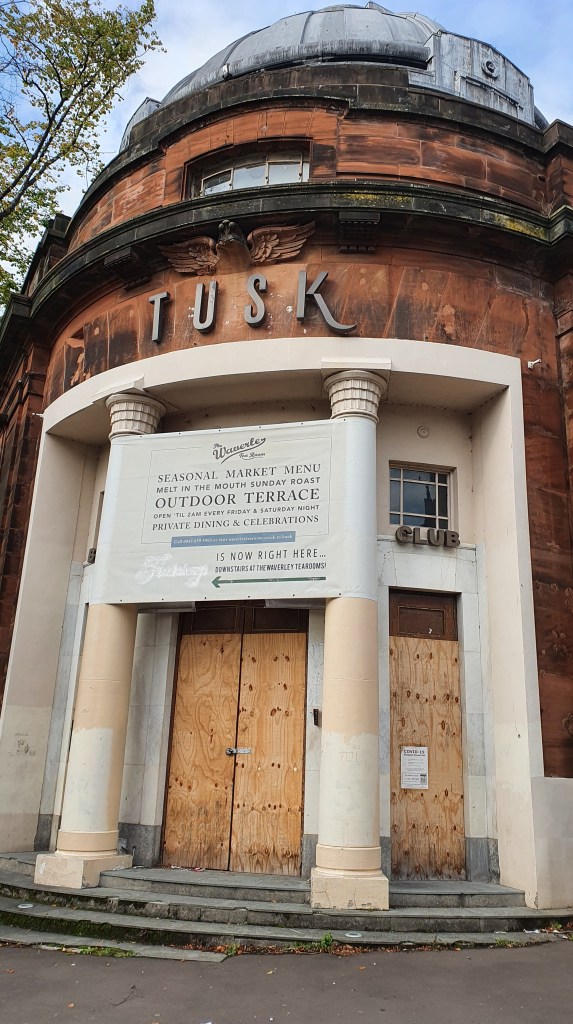
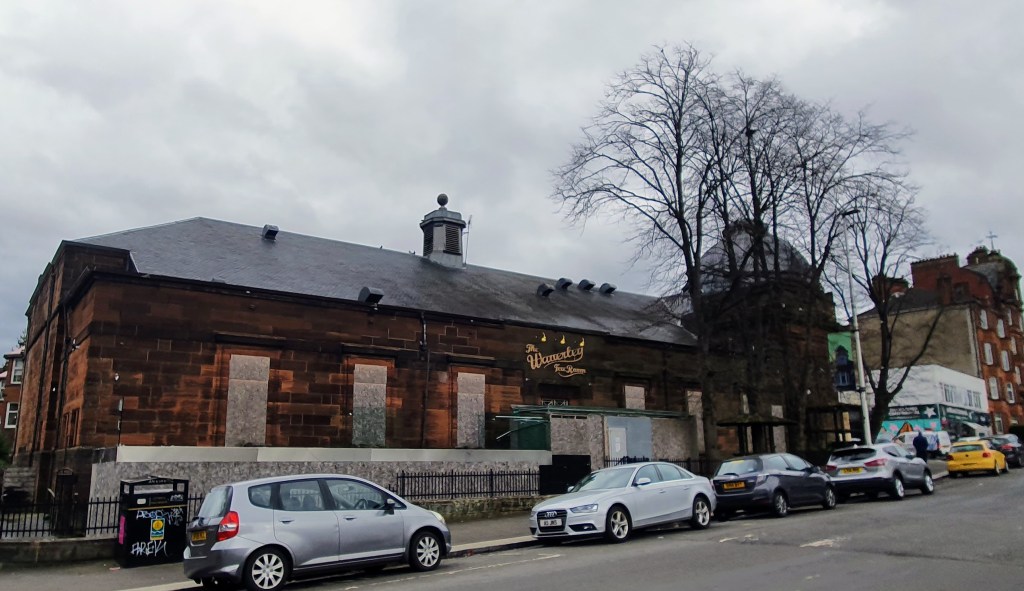
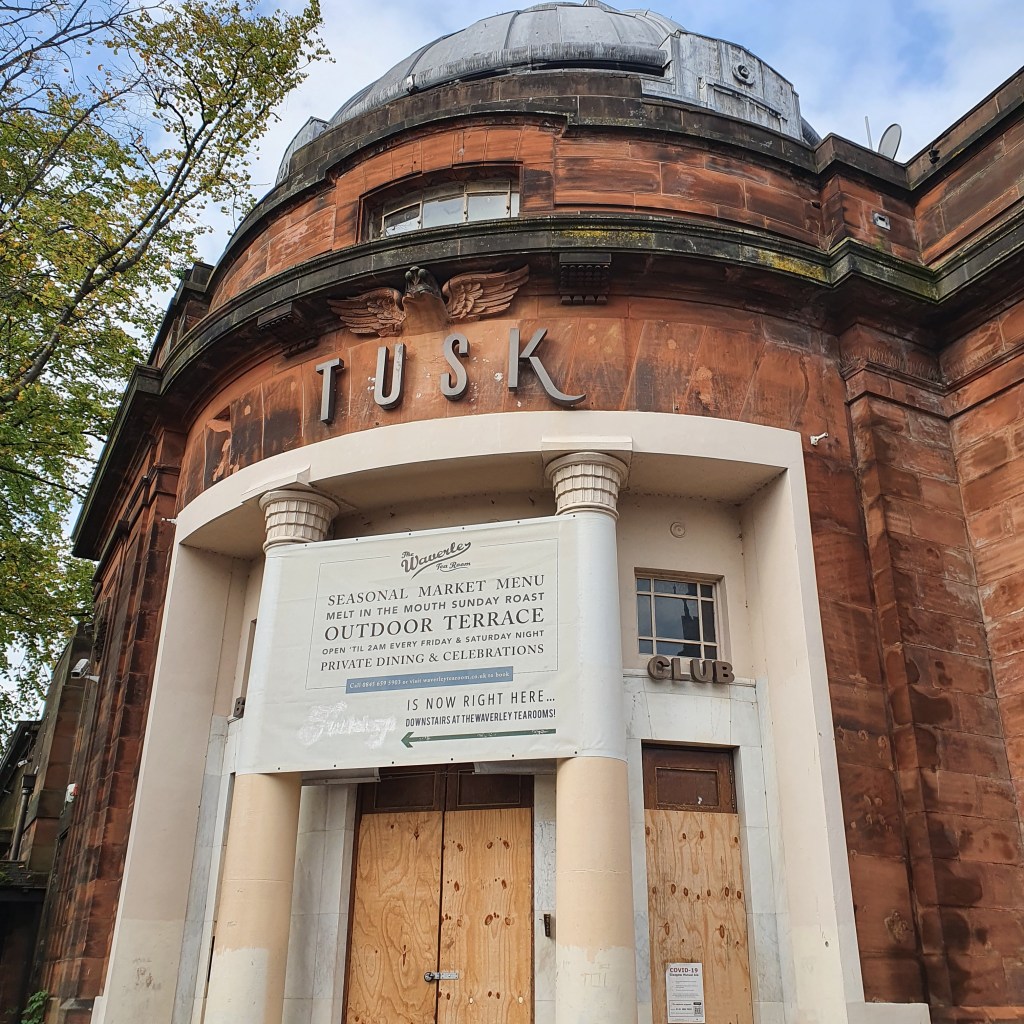
Vacant since 2017 it was on the verge of becoming a tawdry chain pub until the plans were thankfully scrapped. It’s a fascinating architectural gem sandwiched between flats, shops and just across the street from Shawlands Academy. Hopefully it won’t be criminally knocked down although the prospect of it ever being used as a cinema again seems unlikely if not fanciful.
As one of the south side’s major thoroughfares Victoria Road housed the Crosshill Picture House for just 32 years between 1920 to 1952. It’s now a distinctly uninspiring hardware shop located near the entrance of Queens Park train station. While the impressive BB Cinerama, and later Odeon, located near Eglinton Toll lasted considerably longer from 1922 until it was bulldozed in 1986. A set of horrifically bland flats were constructed in its place recently. I never saw either in the flesh, but it doesn’t mean they didn’t exist.

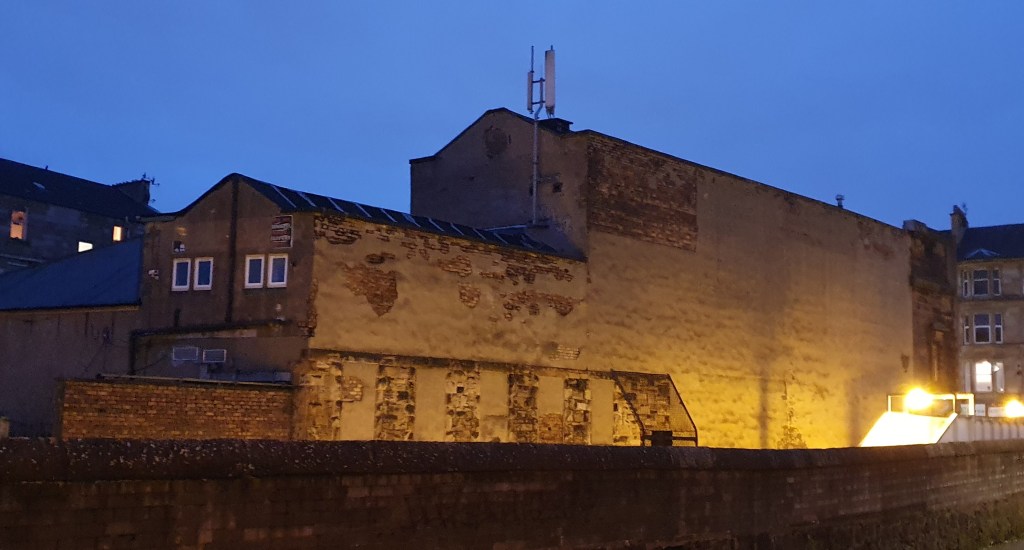
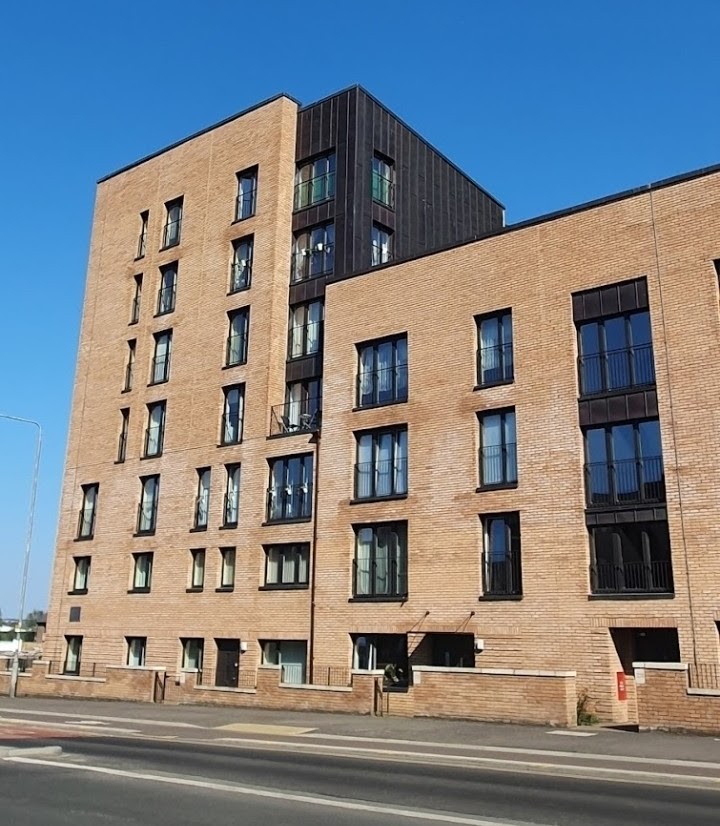
A relatively short stroll away lies a spectacular building which can be considered one of the jewels in the crown of Glasgow’s cinematic history.
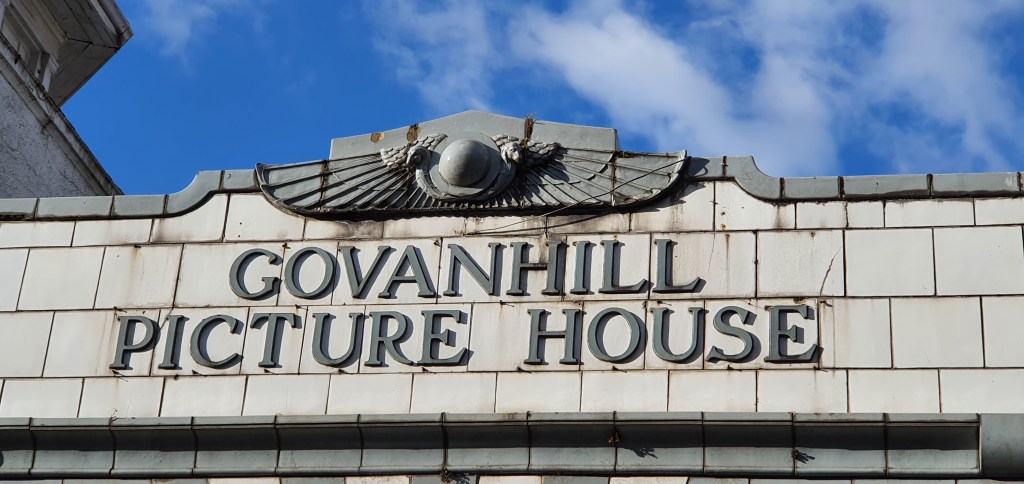
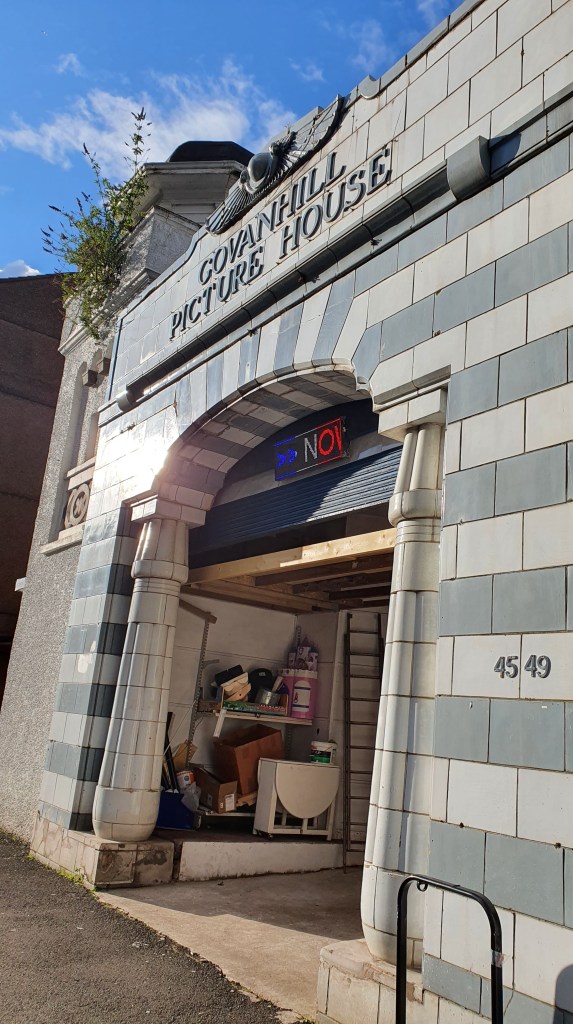
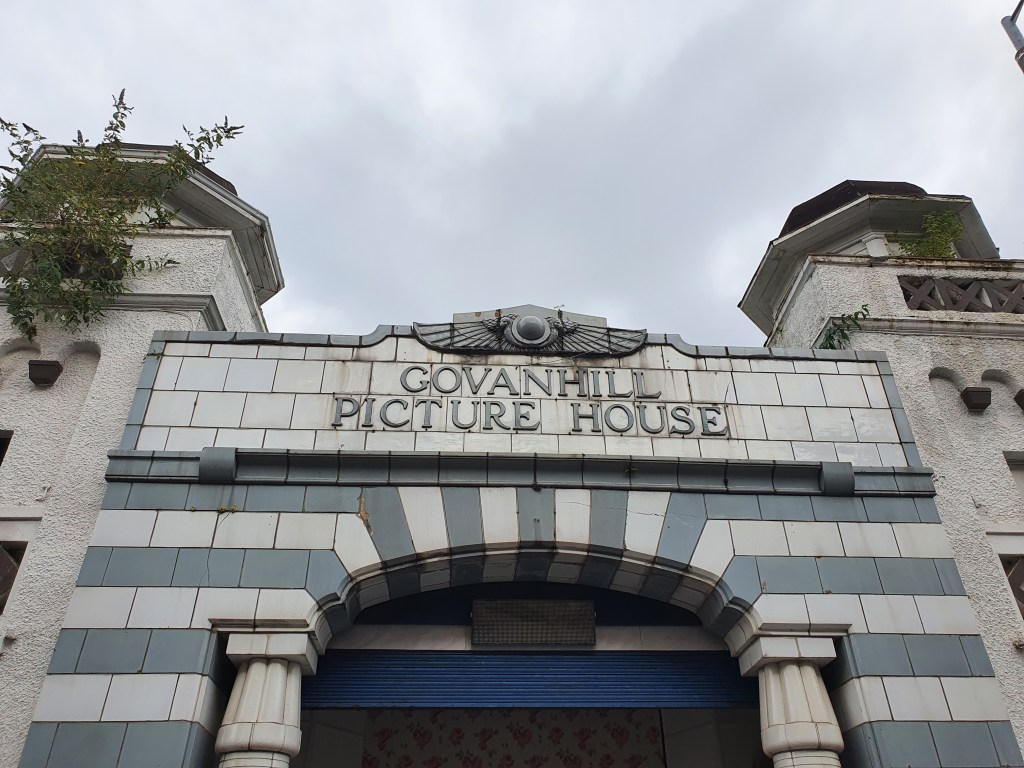
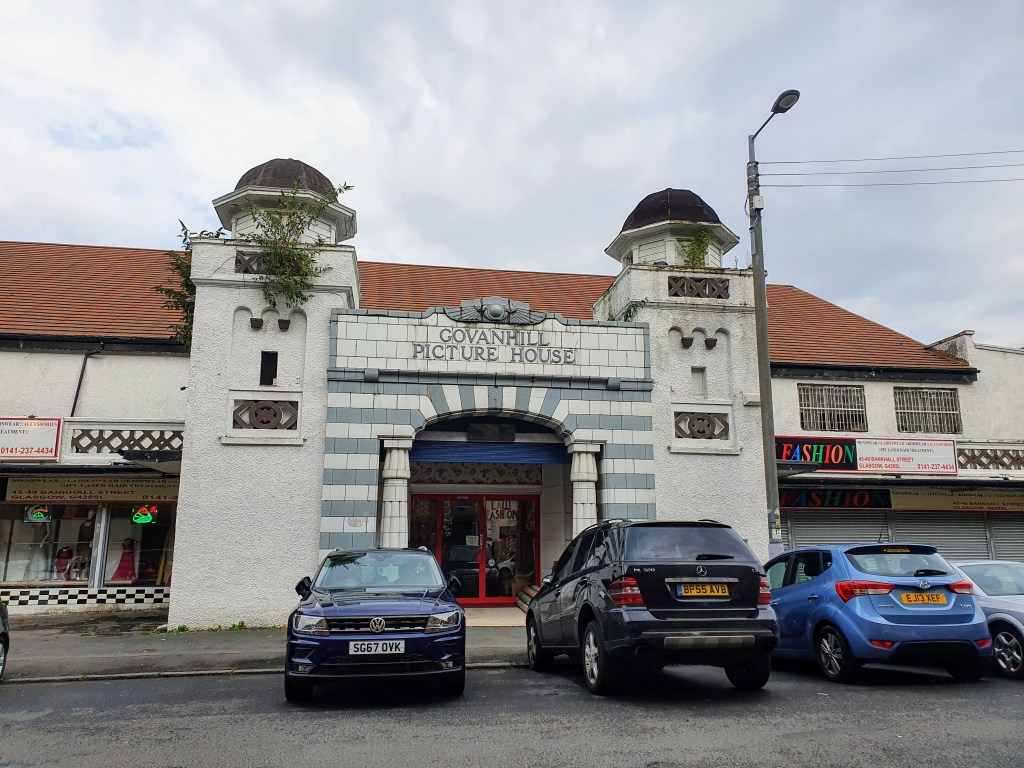
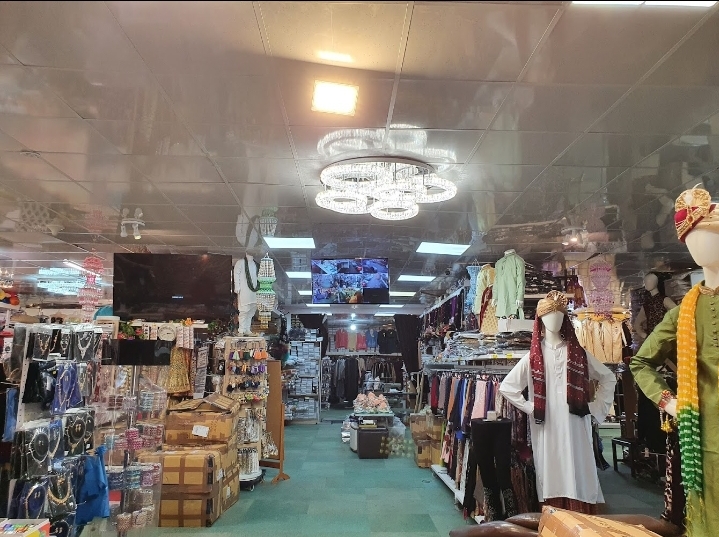
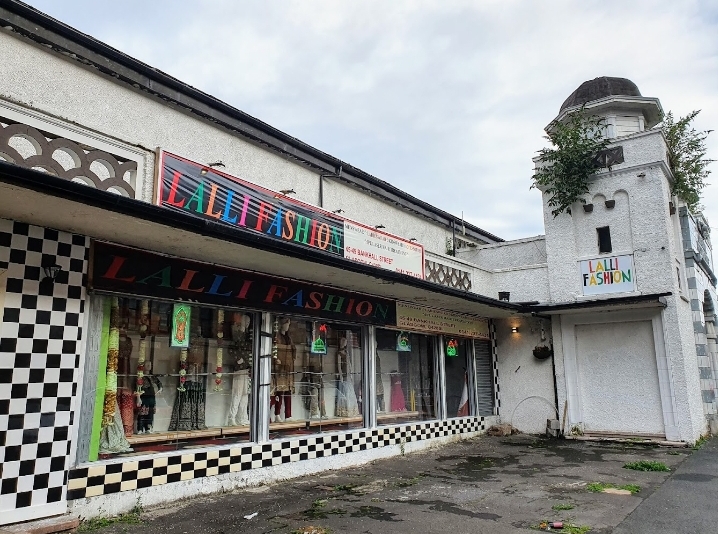
The Egyptian themed Govanhill Picture House is a glorious landmark of a time when extravagant designs were en vogue. Built in 1926 and closed as a cinema in 1961, It stands incongruously in between tenements just off a busy section of Cathcart Road.
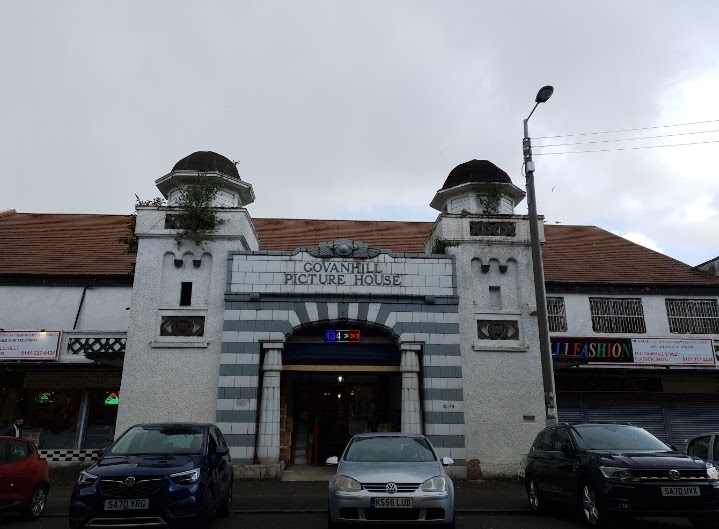
I’m not the only one to be beguiled by its wonderful entrance with two domed turrets either side of a scarab motif and the coloured letters of the cinema name. A group of artists is in the process of trying to convert part of the building, which was a bingo hall and is now an Asian clothes shop, back to something of its former splendour as a cinema and cafe.
It’s an incredibly ambitious project for an otherworldly place which sits on Bankhall Street in a slightly run down, humdrum area.
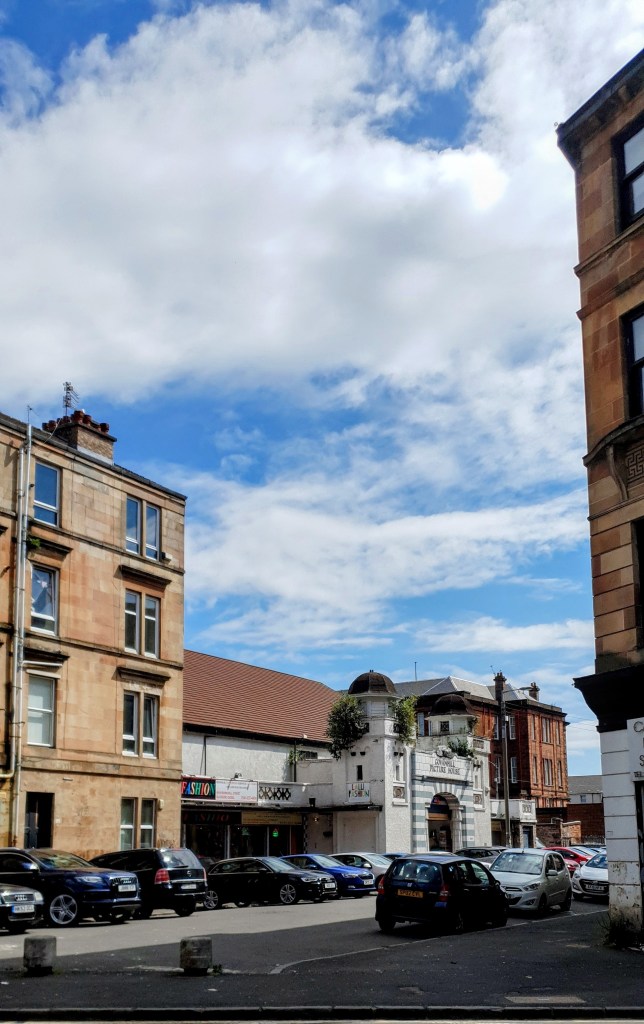
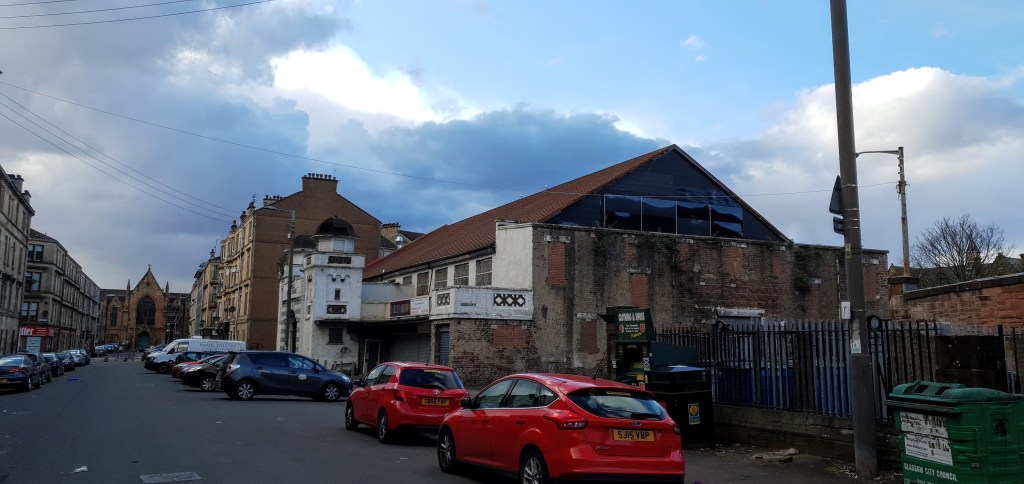
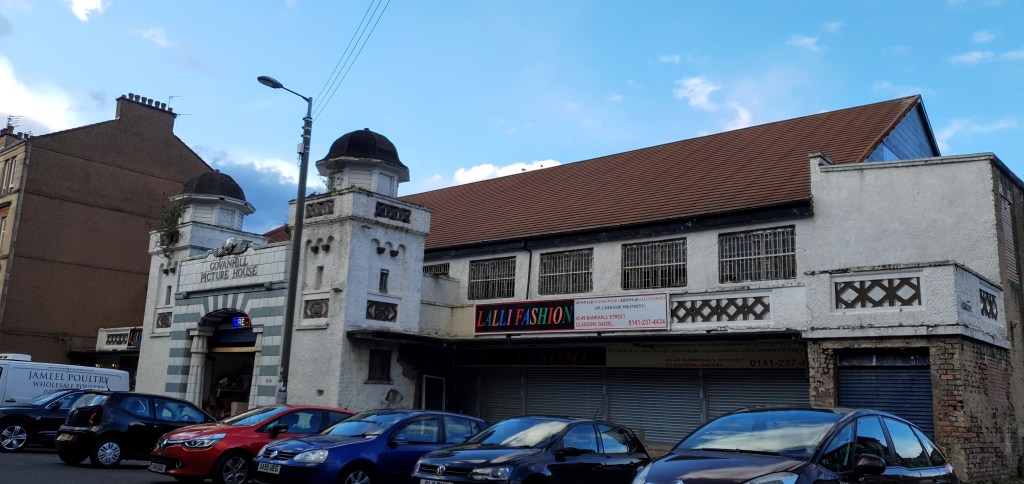
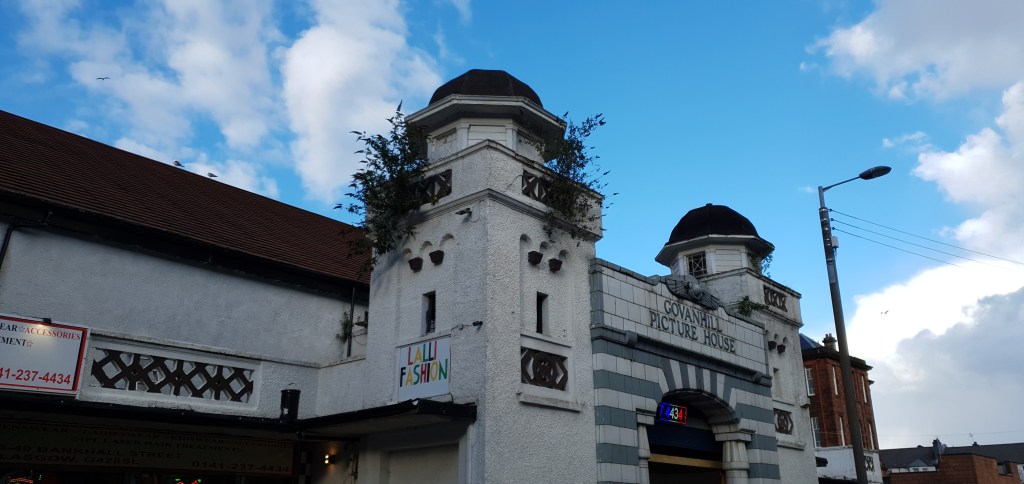
Anything is better than a dreaded conversion into yet more bloody flats. Of course people need somewhere to live but it just might be worth preserving at least a couple of the city’s classic cinema buildings.
In a dystopian future the city will house all its residents in a single colossal jail-like floating apartment complex made of discounted, garish red blocks. Blade Runner 3 in Glasgow. Let’s hope not.
Unfortunately the ABC Muirend on Clarkston Road – which began showing films as the Toledo in 1933 – was steamrollered after its closure in 2001 and made into, you’ve guessed it, flats. The instantly recognisable facade was kept but nothing else of the original building is left.
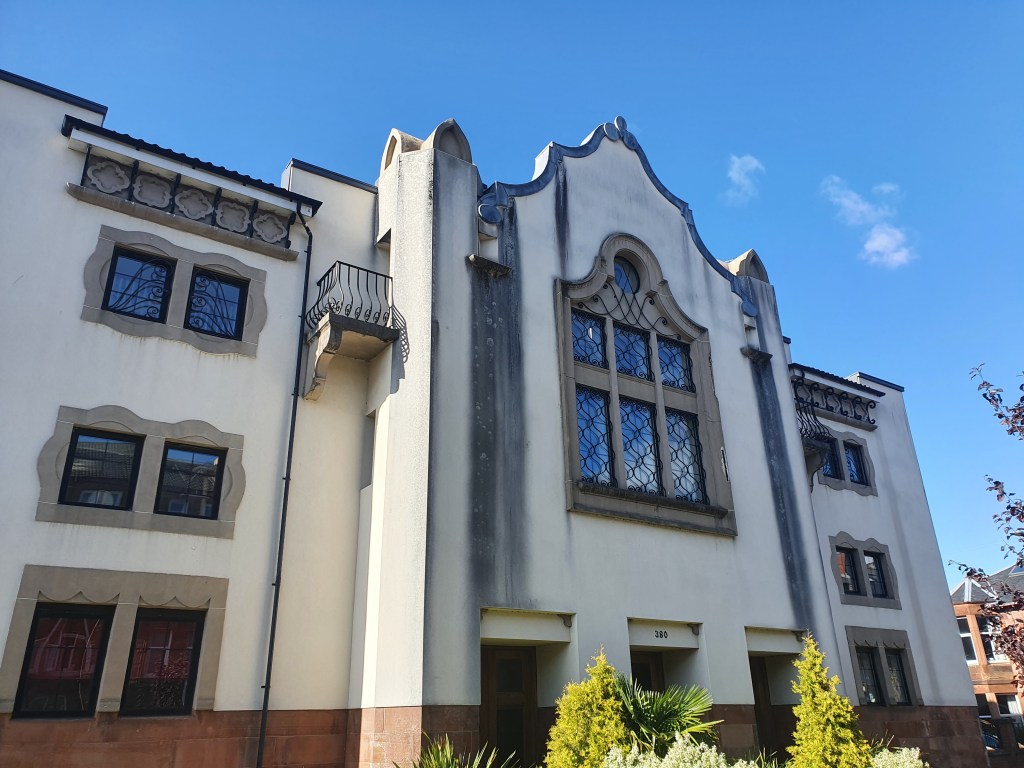
A final few wanders involved finding out that two cinemas existed in Battlefield at one point in time. I had been aware of the Tonic on Battlefield Road (1922-1962) which was a sports shop, pub and is now a supermarket. However I didn’t realise that the sheltered housing development on Sinclair Drive, just off Battlefield Road, which I walked past almost every single day, had been the site of the grand looking Mayfair cinema from 1934 until 1973. It was an architectural feat just to squeeze the splendid ABC venue (judging from the old photos) in beside the tenements, even Indiana Jones would have been impressed.
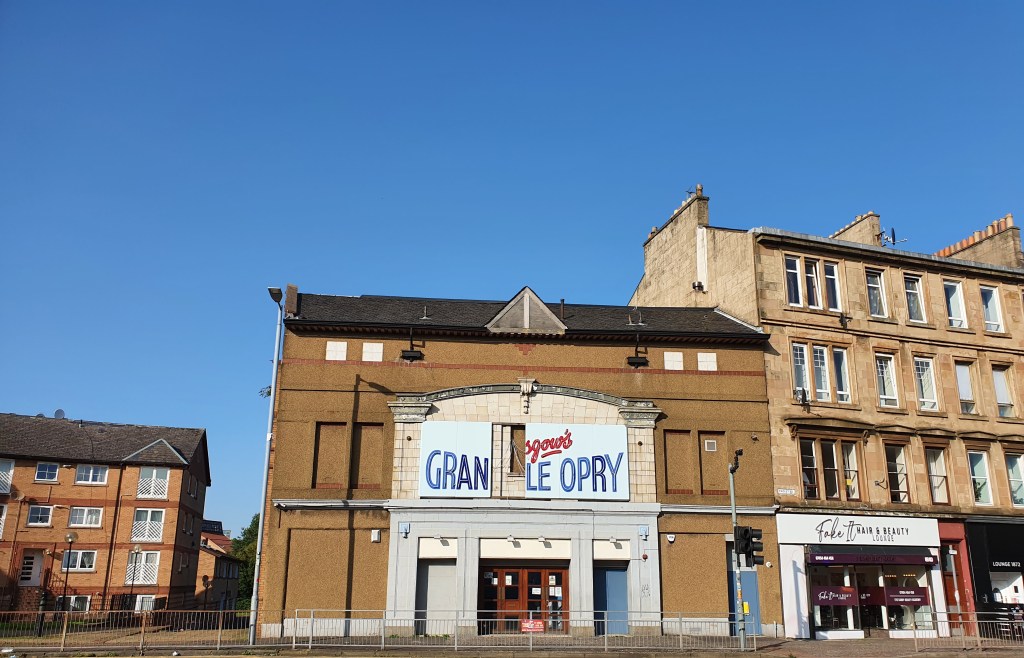
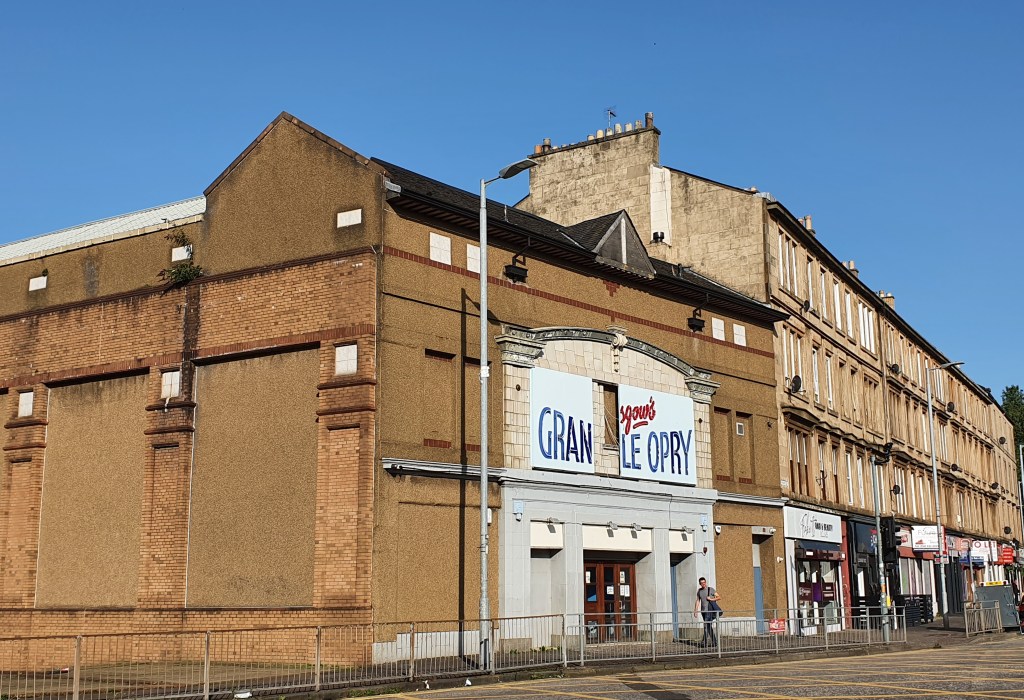
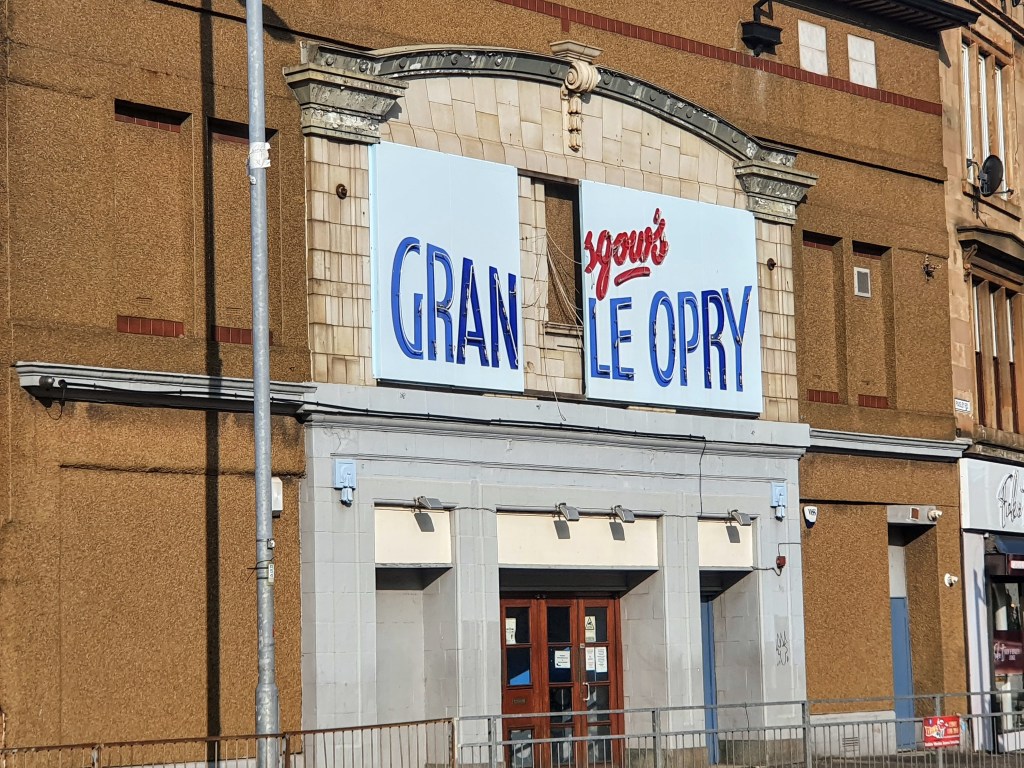
A slightly overambitious trek into unfamiliar south side territory involved a brief stop off at the Grand Ole Opry on Govan Road. A haven for country and western fans since the 1970s, it began life as a stables and was a cinema from the early 1920s until 1959. Unlike many of the one screen cinemas in the city its interior has been delicately remodelled and many of its original features remain.
After meeting my steps target for the day I arrived at the Lyceum almost two miles further along on Govan Road. Its majestic front was breathtaking. It appeared almost out of nowhere, a cinematic gem from another galaxy housed beside a bland amalgam of old tenements and dreary new builds. Only on close inspection was the extent of the damage to its splendid glass window panels apparent.
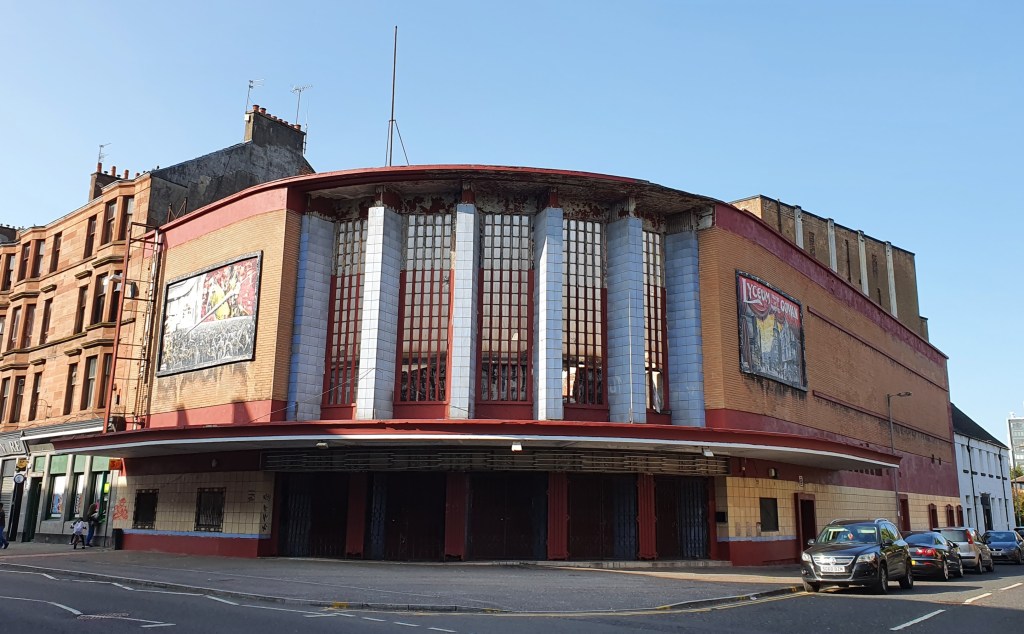
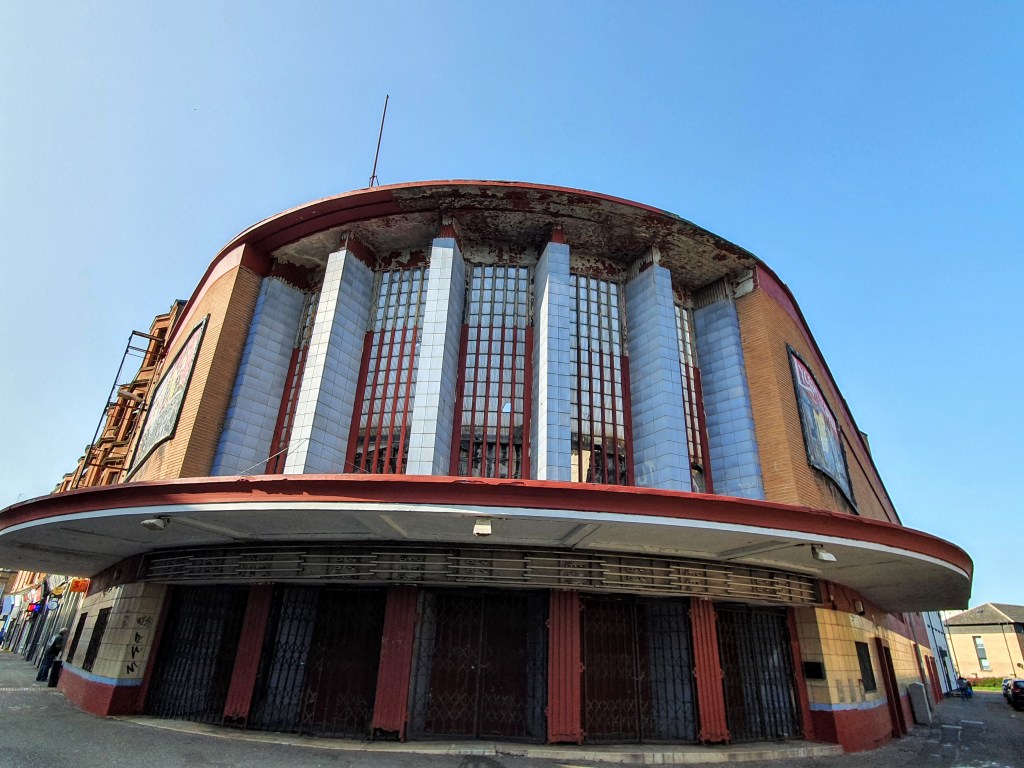
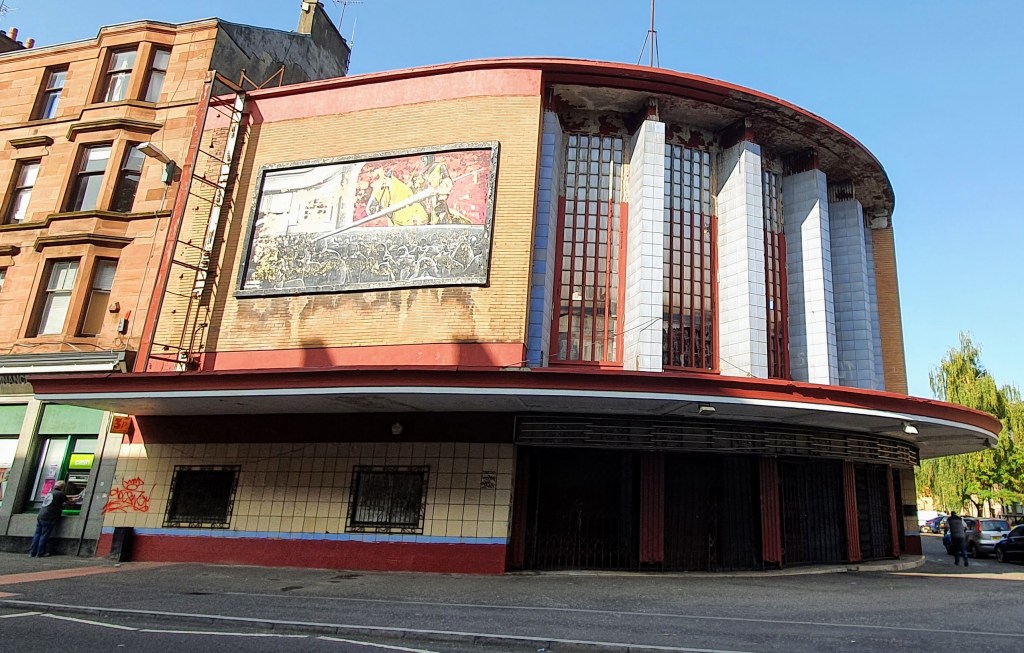
Labelled a ‘suburban super cinema’ by the Scottish Cinemas and Theatres website, it had a staggering capacity of 2600 when it began business as a picture house in 1938. A year before the building had succumbed to a blaze (yet another one) after starting out as the Lyceum Theatre in 1899. It entertained thousands before being partially converted into a bingo hall in 1974 with films still showing in its balcony until 1981.
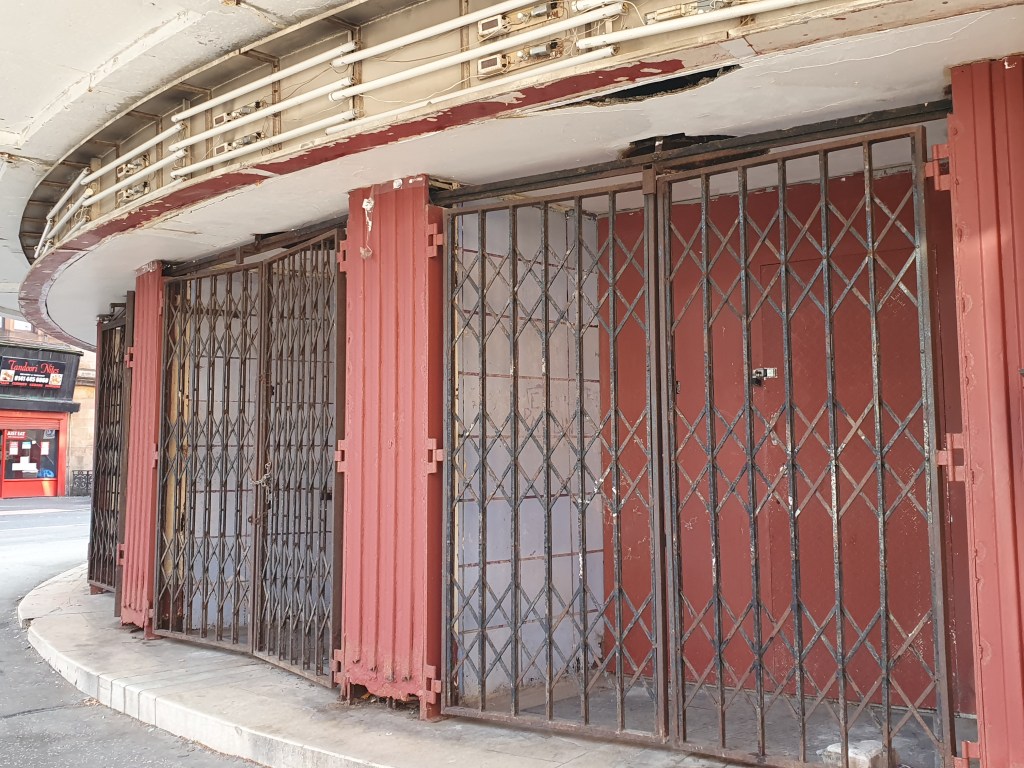
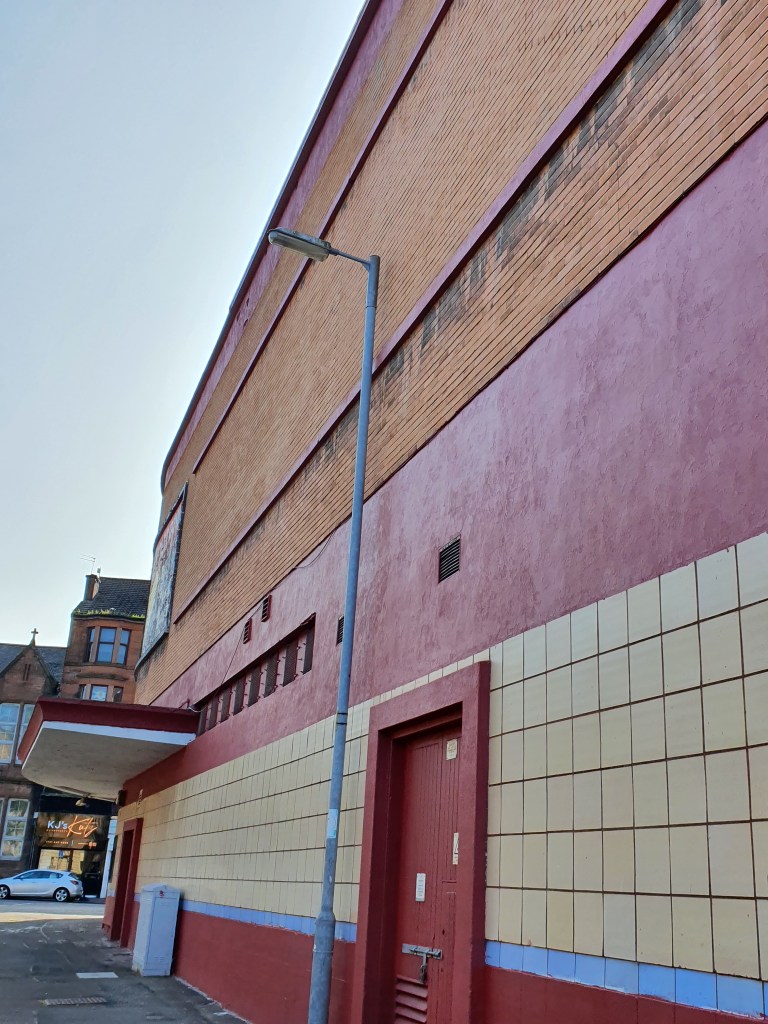
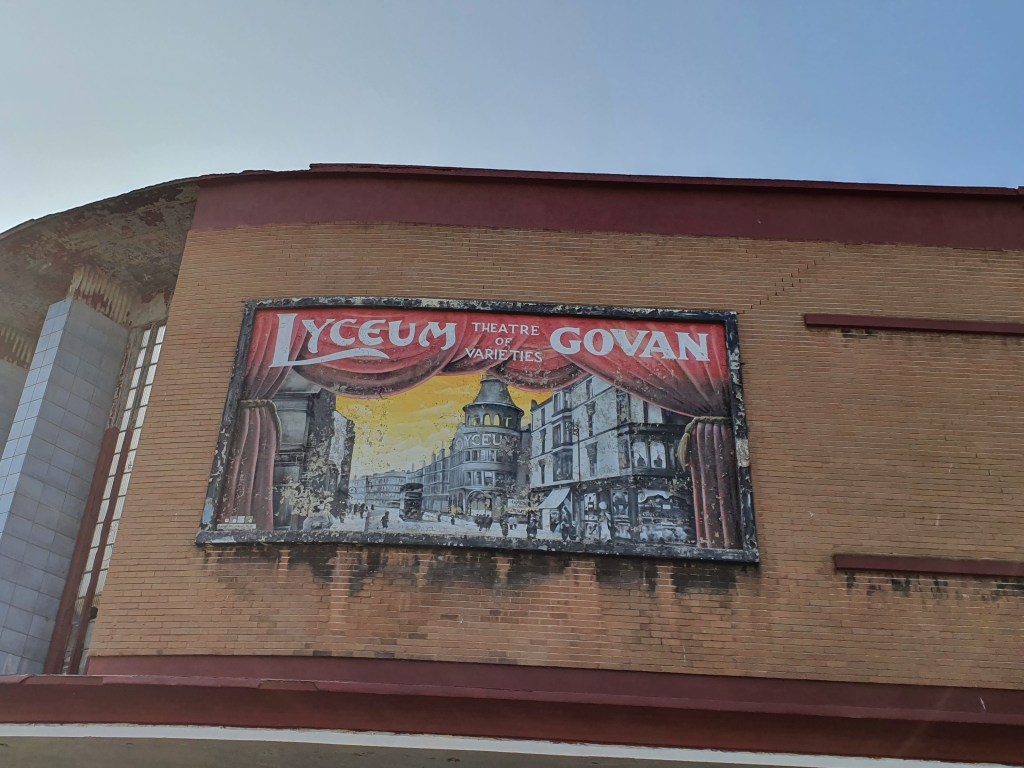
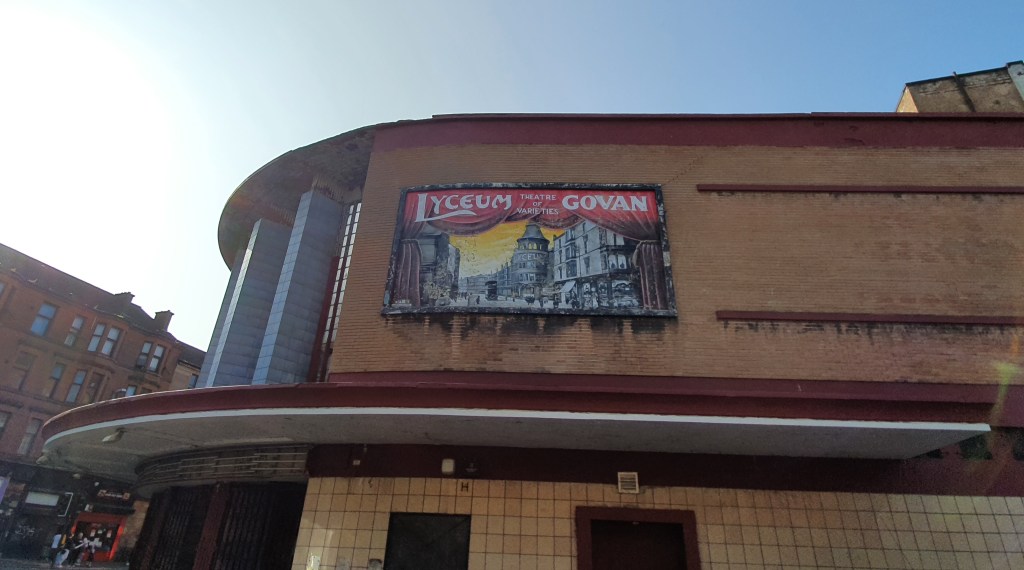
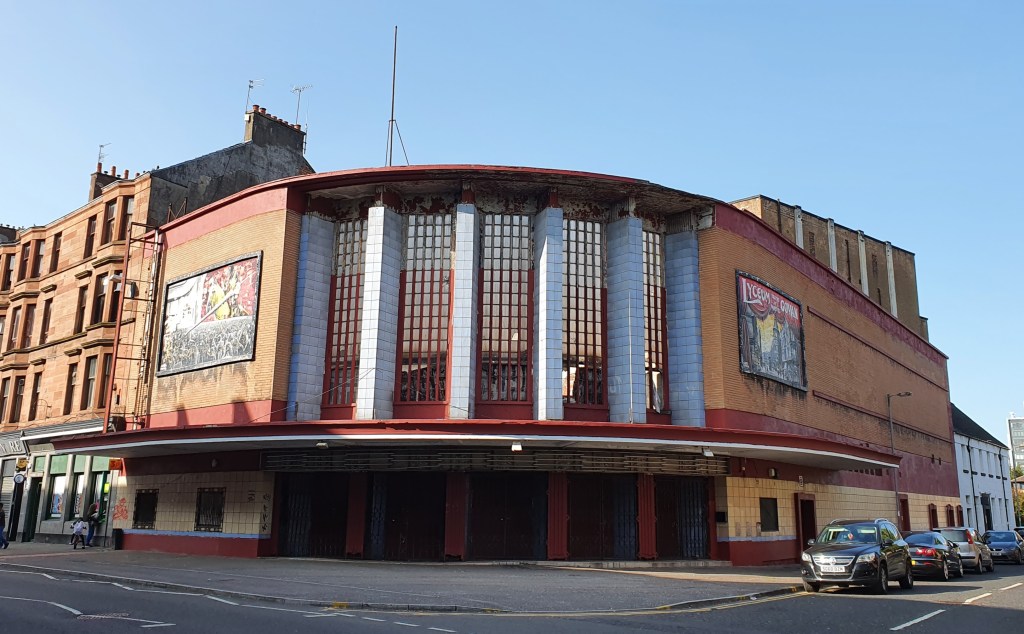
It closed permanently in 2006 and has deteriorated since despite attempts to revive it as a cinema and concert hall. Continued decay will inevitably lead to calls to scrap the building which now sits as nothing more than a dazzling monument of a forgotten time.
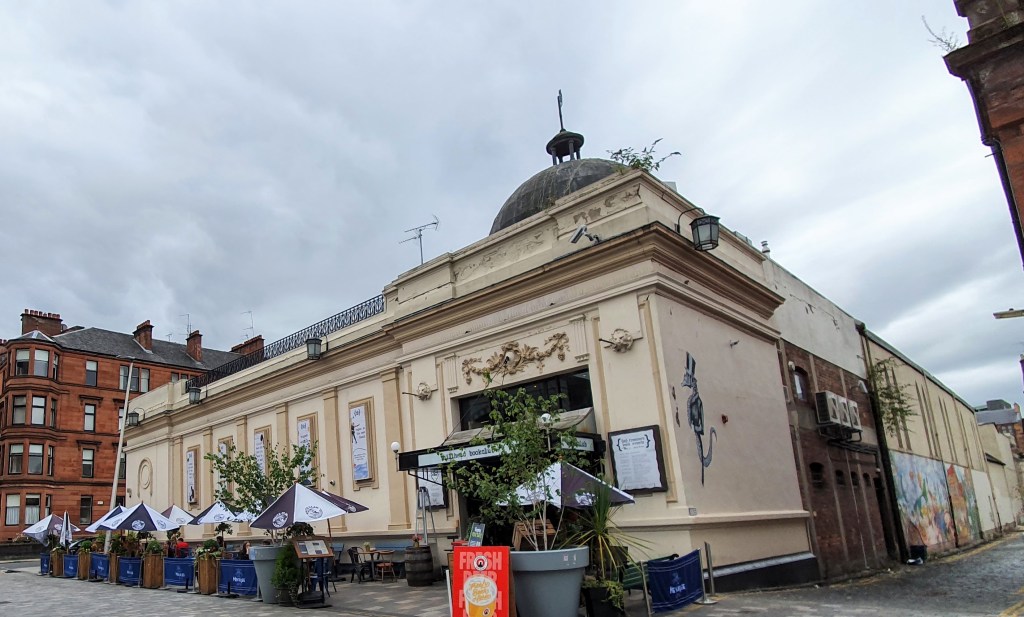
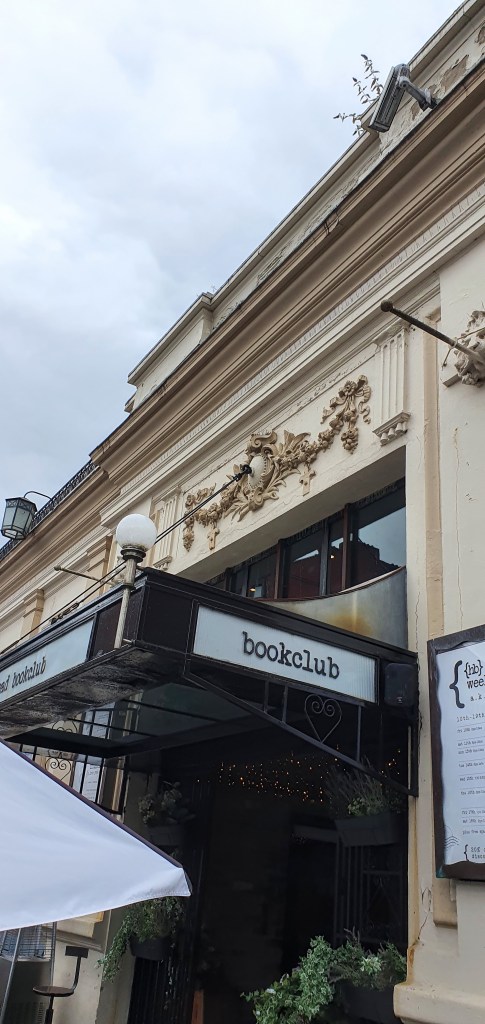
My cinematic reminiscences ended at the Hillhead Salon – I can only ever recall going to the Grosvenor on Ashton Lane once – which had been completely revitalised as an expensive, hipster type pub just off Byres Road on Vinicombe Street. Notable for its dome and elaborate decoration, it was groundbreaking for being built outside the city centre in 1913. It screened films for decades until a sudden closure in 1992. A favourite place for many in the west end it survived while numerous other establishments were demolished.
In a hazy corner of my memory I remember sitting transfixed in the balcony as Sylvester Stallone hammed it up as Rocky and Dolph Lundgren portrayed unbeatable Soviet automaton Ivan Drago. The critics might have written otherwise but I loved Rocky IV (and still do).
The intoxicating effect of going to the cinema lingers on. The thrill of the lights going down before the film begins still brings back childhood recollections of the ABC and Odeon. Whether I left elated, bemused or deflated from an incredible South Korean thriller, a mystifying documentary or a rare outing to a superhero movie, the allure of a trip to the pictures remains. My own haphazard, incomplete photographic expedition came to a halt in June 2022.
Whether the same structures will exist for future generations to admire and document cannot be foreseen.
Glasgow’s love of cinema endures although keeping its fading collection of old buildings intact is a mission that even the intrepid Indiana Jones might turn down.
For a comprehensive history of Glasgow’s cinemas go to: https://www.facebook.com/lostglasgowofficial/, https://www.pastglasgow.co.uk/, http://www.scottishcinemas.org.uk and https://cinematreasures.org/
 Stephen Kasiewicz