Director: Liesl Tommy
Starring: Jennifer Hudson, Forest Whitaker, Marlon Wayans.
Production: United States
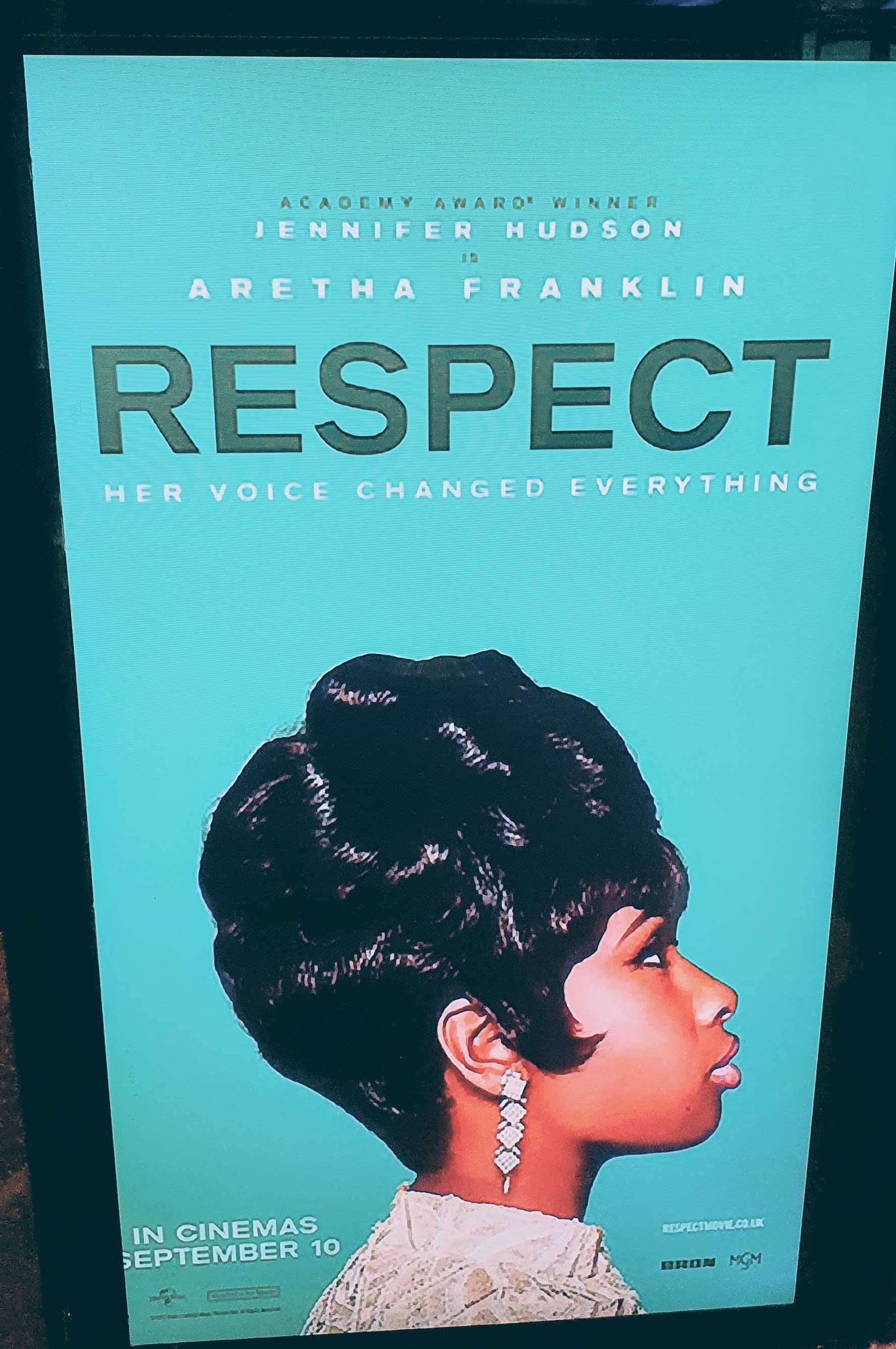
The editors of this slow-paced opus should have shown a little more respect for weary audiences.
It takes nearly two and half hours to cover barely half the life of legendary singer Aretha Franklin.
Backed by Franklin herself (and held up for years in development), who specifically chose Jennifer Hudson for the leading role, it ticks all the necessary boxes: childhood tragedy, daddy issues, a violent and controlling partner, racial tensions, and an unfathomable ascent from church choir prodigy to global superstar.
It is like the dramatic cliche checklist had to be filled out and submitted for approval.
Omitting extraneous scenes clearly was not a priority.
Far too much time is devoted to a doomed relationship with Ted White, a violent conman who steers Franklin’s career badly off track. Marlon Wayans, who is infamous for playing the stoner idiot from the Scary Movie franchise and other lamentable characters in execrable so-called comedies, is surprisingly convincing in a rare serious role.
Forest Whitaker can always be relied upon to add gravitas and sincerity, and his domineering performance as the loquacious preacher who leads his daughter like a puppet on a string adds a layer of depth to an otherwise pedestrian narrative. Mary J. Blige steals scenes as the Queen of Blues, Dinah Washington, but everything revolves around Hudson.
Hudson’s own story is epic enough, emerging from a reality singing show to launch a successful career and winning an Oscar for Dreamgirls.
It is clear to see why Franklin picked her for the part.
Hudson is a compelling powerhouse and made a point of singing every song live.
The inevitable rendition of the film’s title track – a cover of Otis Redding’s 1965 single – will have you nodding your head and tapping your toes, as will other less familiar hits. The shining costumes dazzle and the period details are plausible but it’s all predictably formulaic.
The fact Franklin was a passionate advocate of civil rights is acknowledged yet it comes across as an afterthought. A more detailed examination of her relationship with Martin Luther King Jr should have been a prominent narrative driver rather than a mere footnote.
Instead, we plunge down a pathway of family and relationship hostilities which eventually lead to mood swings and psychological issues. Hudson will no doubt win awards and deserves acclaim, but nothing compares to watching the real thing.
The movie ends as Franklin begins recording the 1972 gospel album Amazing Grace.
A documentary of the same name, which details the recording of the most successful commercial release of the singer’s career, was released in 2018. There is also an abundance of real footage available for free on YouTube, showing the singer in her pomp, astounding audiences with the depth and power of her remarkable voice.
Unfortunately, this biopic hits plenty of wrong notes and despite the credible renditions of classic songs, drags on unnecessarily without giving any real insight into the complex life of a true one-off.
 Stephen Kasiewicz