July 17-20, 2009
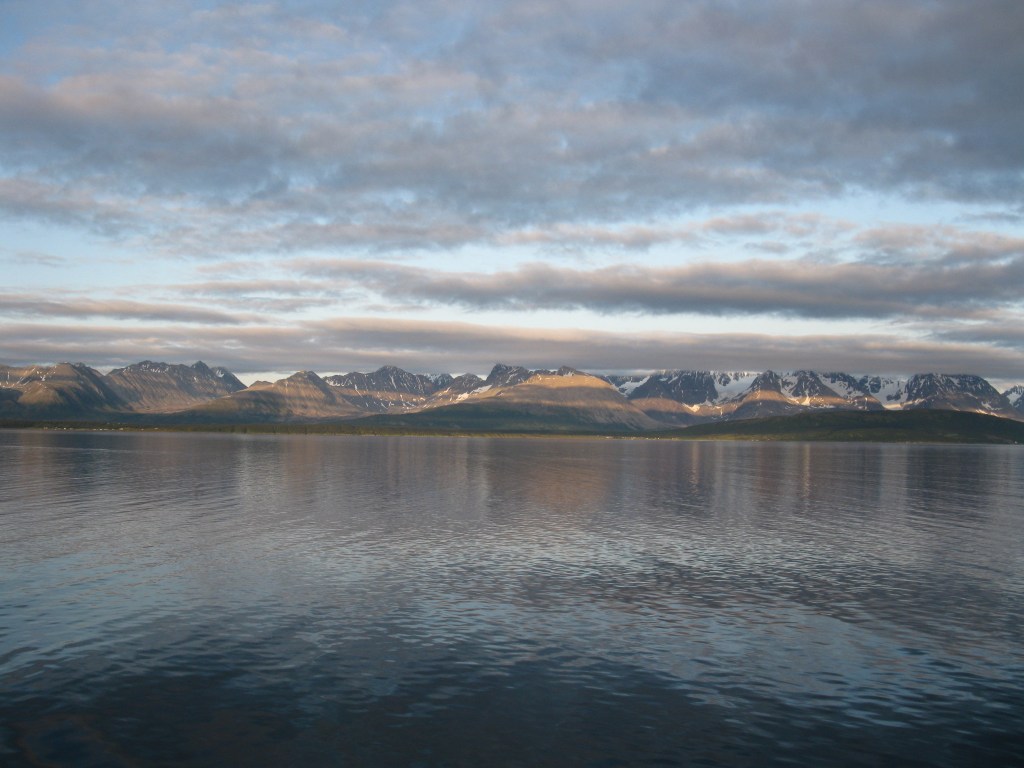
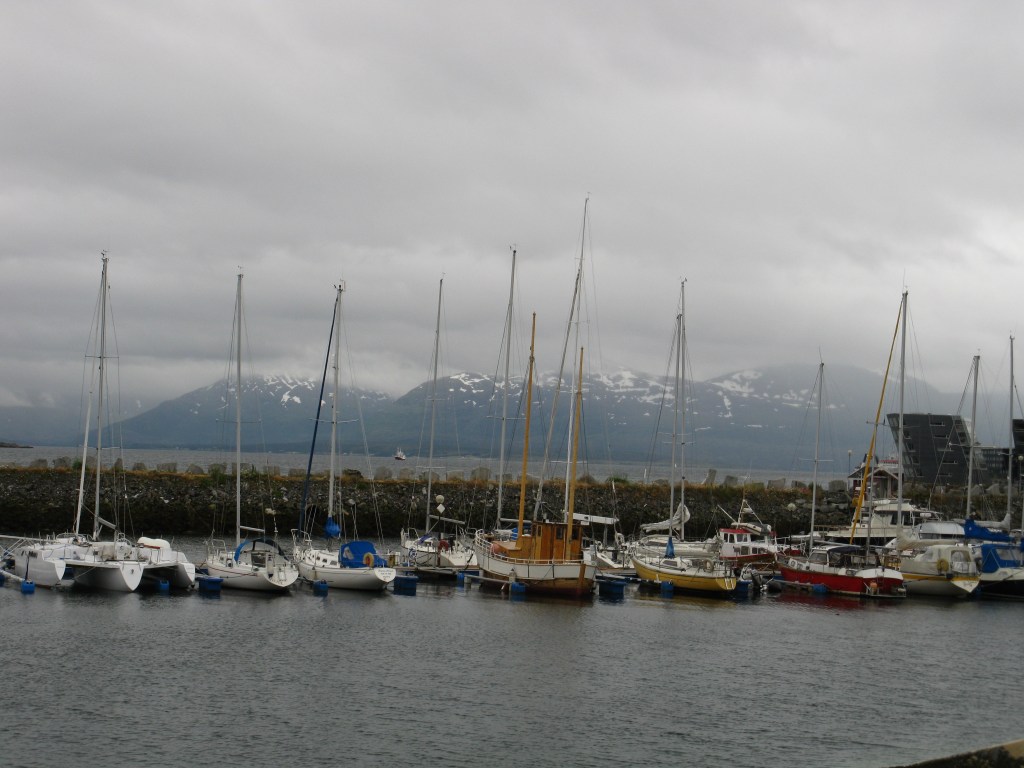
A posse of snow sprinkled peaks stand impassively, almost competing for attention.
They stare out onto a sheet of water, a shade of turquoise in colour, basking in their own reflection as the glass like surface acts as a mirror.
Usually this kind of spectacular landscape could only be witnessed in a lavish Hollywood film but we are in northern Norway admiring a view of spellbinding beauty.
To reach the hypnotizing sight of the Lyngen Alps it takes a near three hour journey, involving a coach ride through an underwater tunnel and two ferries through remote, rural villages, taking in glaciers and a myriad of small mountains along the way.
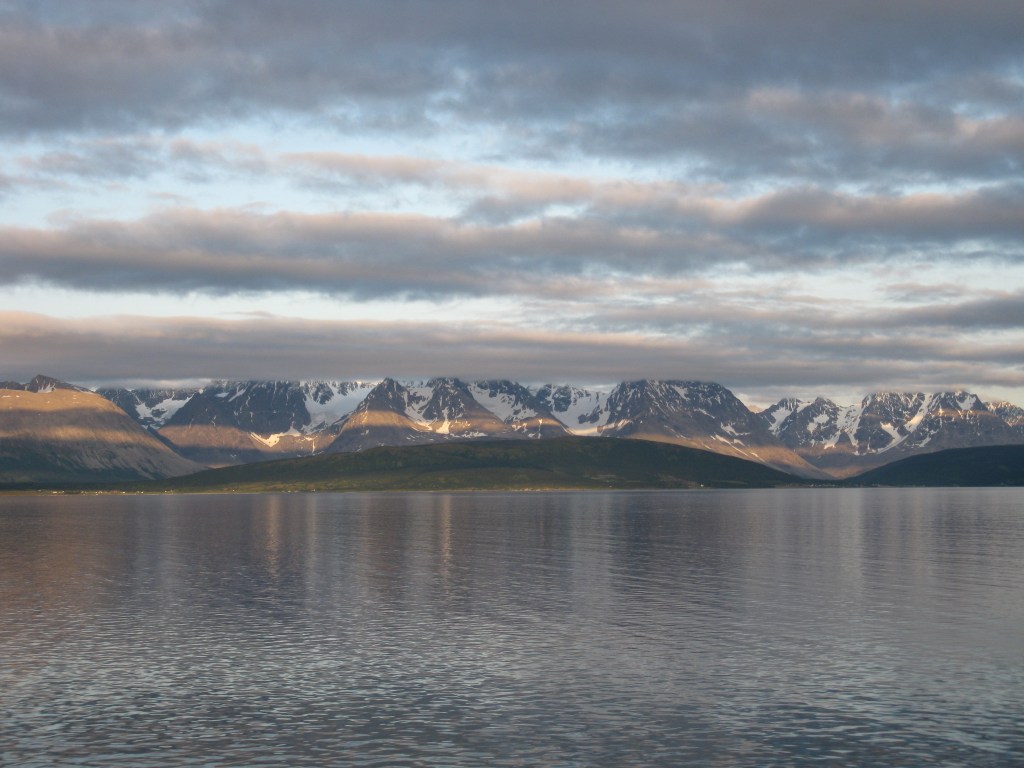
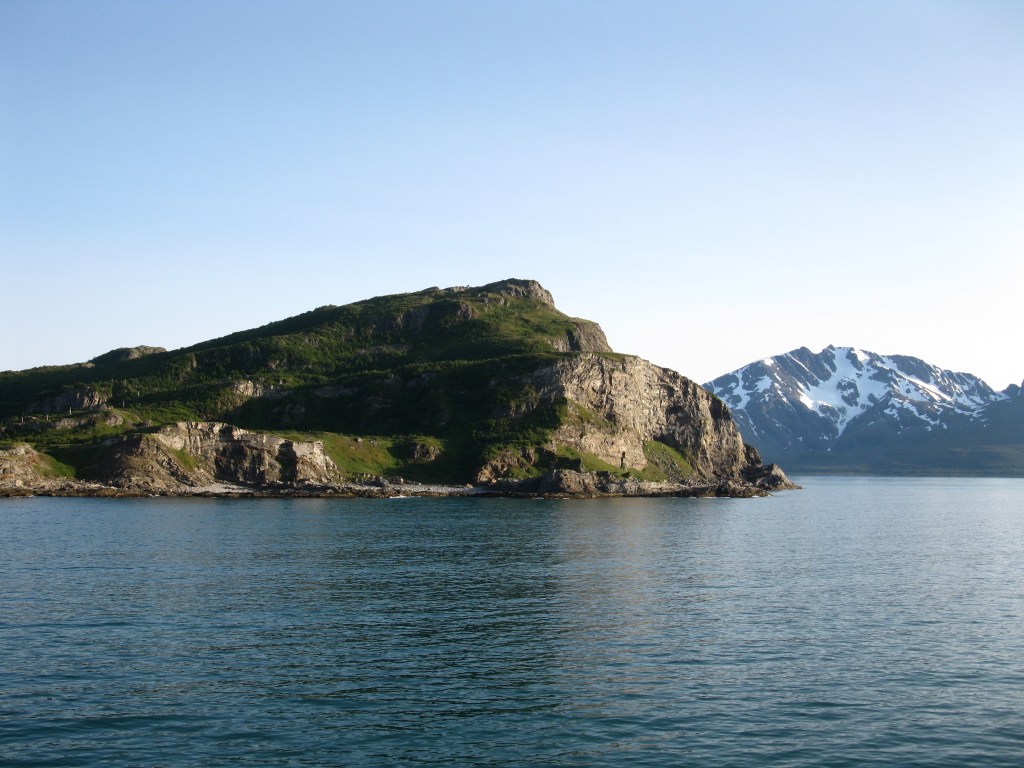
The mountains mesmerise as we slowly glide past on a coastal steamer, which we boarded at the small town of Skjervøy sailing south back to our starting point of Tromsø, the closest major city to the North Pole.
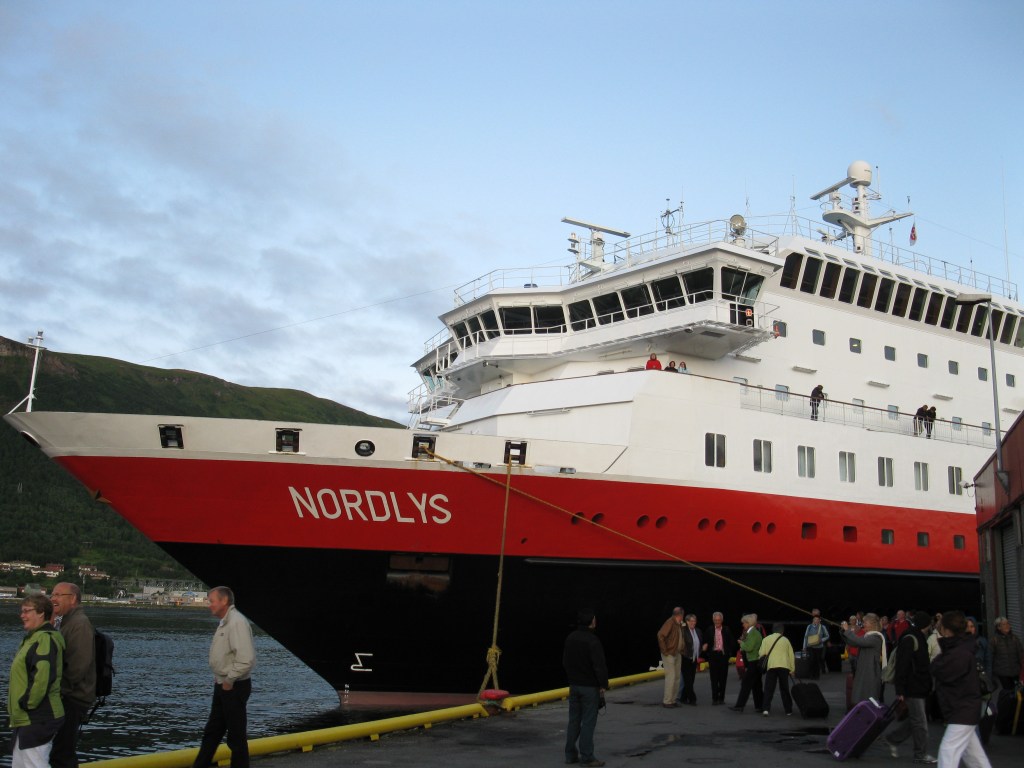
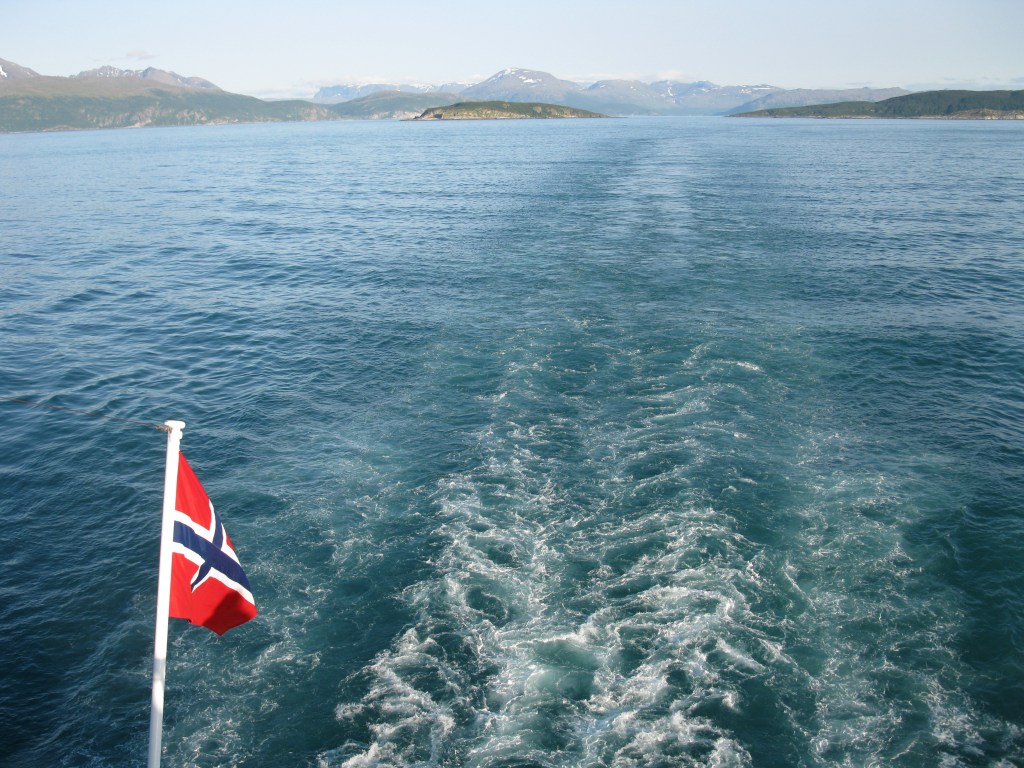
Location is important in Tromsø, which is a mere 217 miles from the Arctic Circle and is the home of the world’s most northerly university, cathedral and brewery.
It’s daylight for 24 hours in the city for two months during the summer and it certainly has a disorientating effect on the senses – at midnight it still feels like afternoon and your body clock struggles to adjust to the time difference.
I took my mother Mary on this voyage into the unknown to celebrate, in part, a landmark birthday – it’s the least I could do after she has put up with me for just over three decades.
After landing in Tromsø via Bergen from Aberdeen we were guided round the centre of the city by the enthusiastic and entertaining Knut Hansvold.
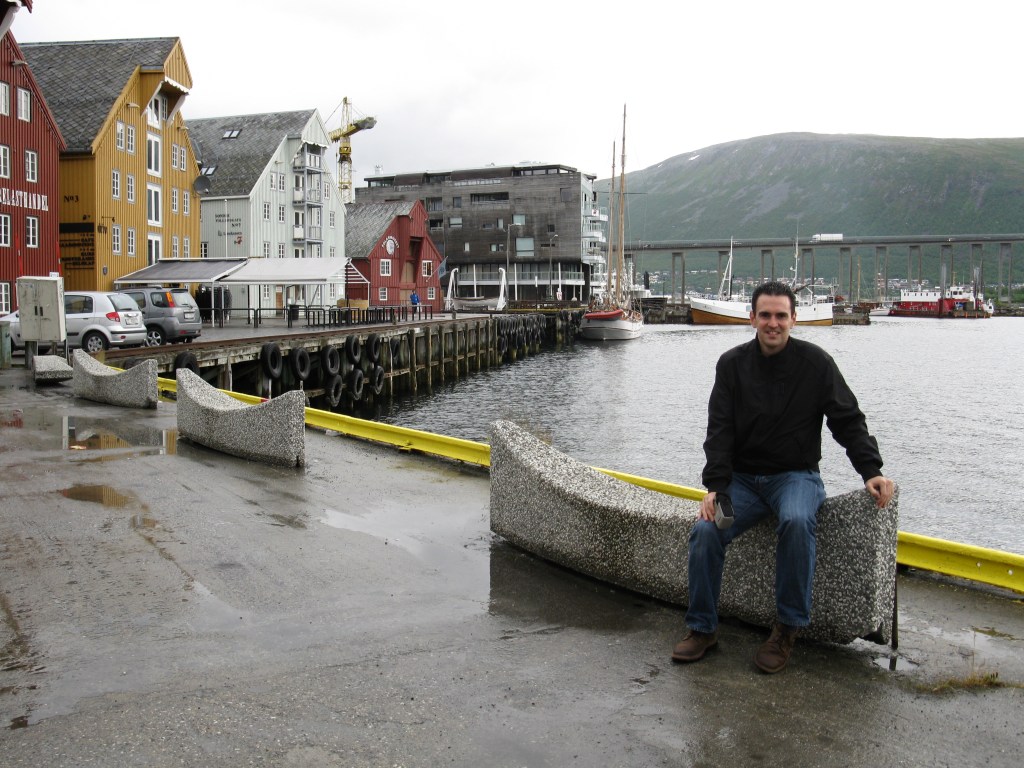
He showed us just why northern Norwegians are renowned for their sense of humour with an informative and at times hilarious tour, through its colourful streets where modern shops neighbour distinctive traditional red and yellow buildings.
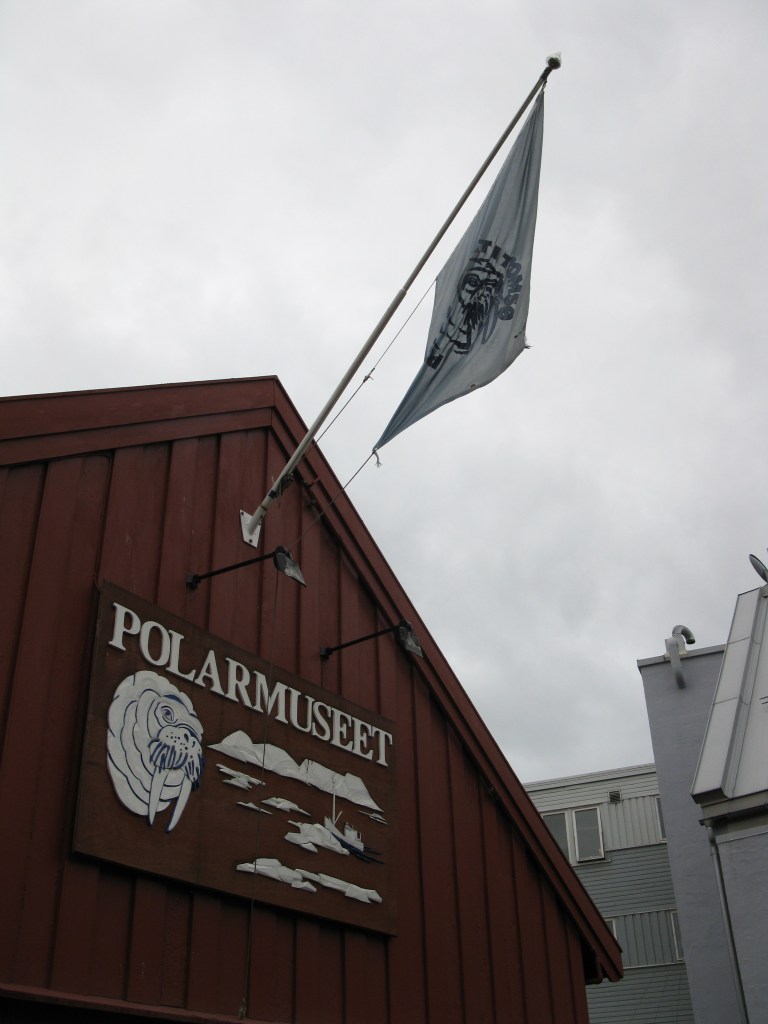
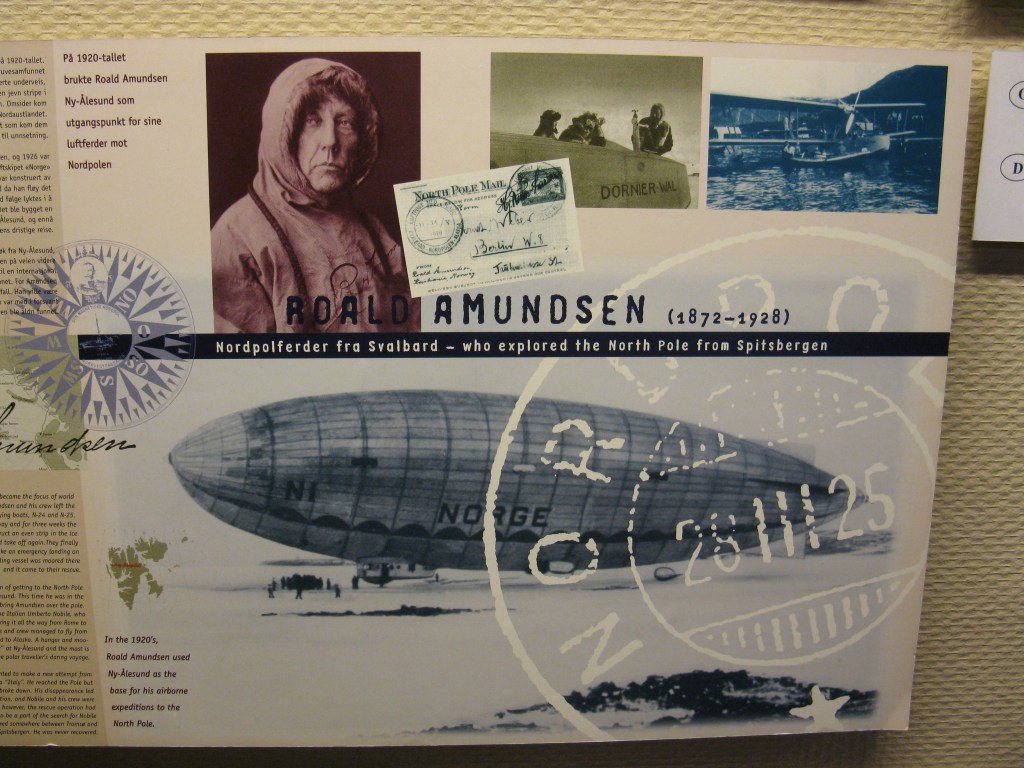
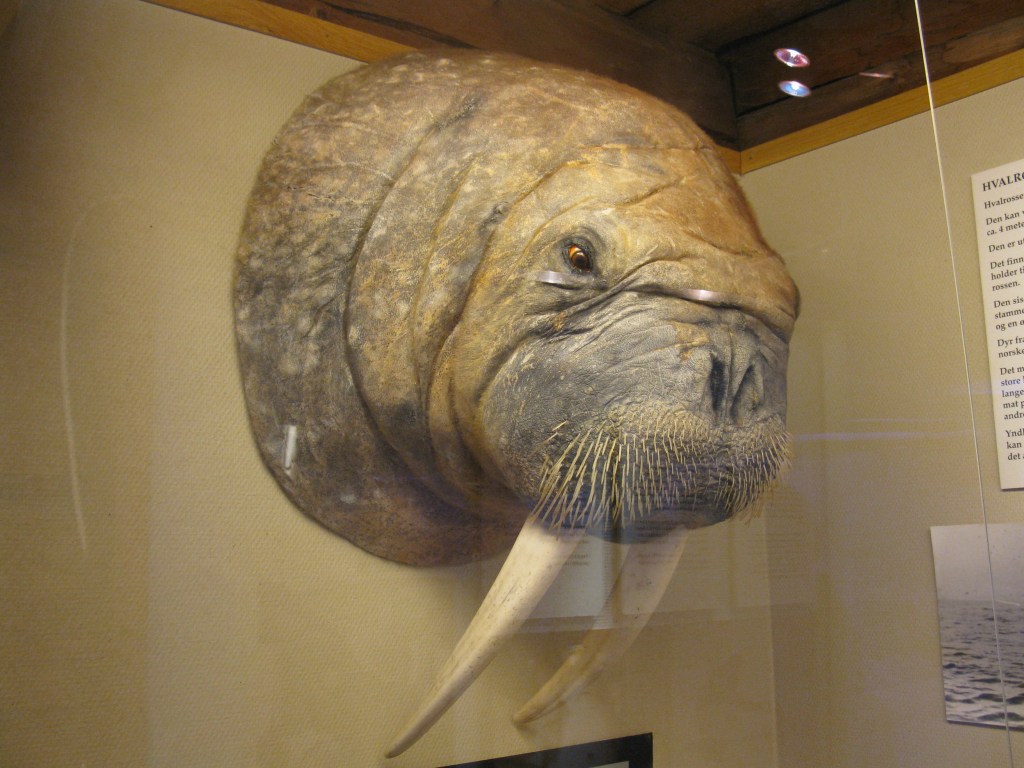
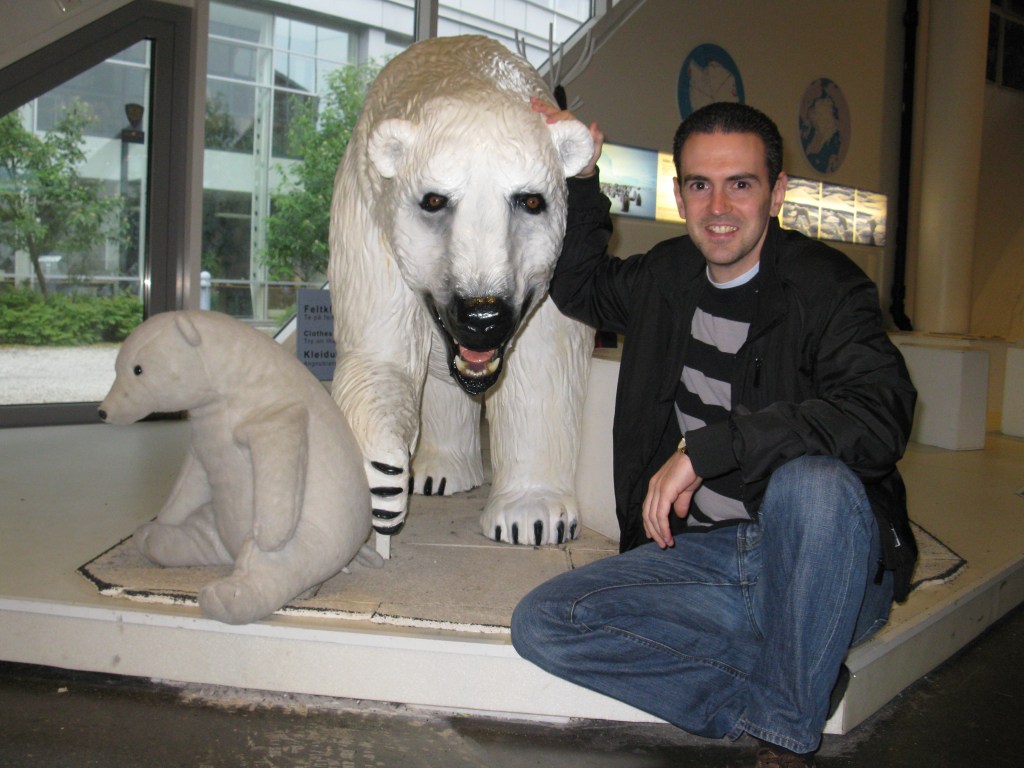
Knut also showed us round the Polar Museum (Søndre Tollbogt 11), which chronicles the extraordinary life of Norwegian explorer Roald Amundsen (1872-1928) and his epic expeditions to the North and South poles, as well as giving a detailed but somewhat brutal history of the hunting of reindeers, whales, polar bears and seals in the Scandinavian country.
Cost is the fundamental factor in all trips abroad and although I had been warned Norway was expensive, it is not until you actually buy something or pay a bill that it becomes apparent just how expensive it is for visitors.
A pint of the locally brewed Mack beer – it’s pronounced Muck and tastes far better than it sounds – weighed in at nearly £7 and although I rarely drink alcohol it was still a staggering amount to pay for a single drink.
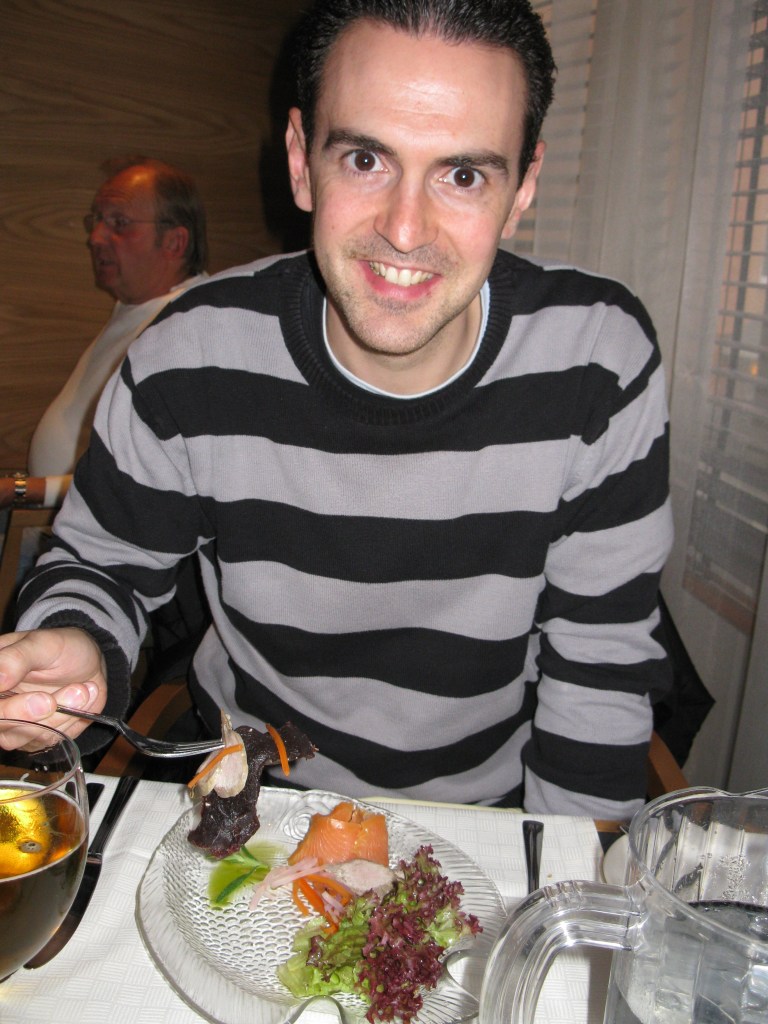
Eating out is not cheap either and added to the hefty price of a meal we found it almost impossible to find a restaurant in the city centre that served Norwegian food without a reservation – it is definitely a prerequisite to book a table beforehand.
In saying that, I did sample the unique culinary delights of both reindeer and whale meat and definitely preferred the former to the latter.
It was cold and wet for the majority of our trip – the weather was consistently poor and it was not unlike being in Scotland really – and we opted to head for sanctuary from the elements indoors.
The Perspektivet museum (Storgata 95) featured a humorous and intriguing exhibition on bureaucrats around the world, in a number of pictures by Dutch photographer Jan Banning, as well as focusing on the trade links between Tromsø and the northern Russian city of Murmansk.
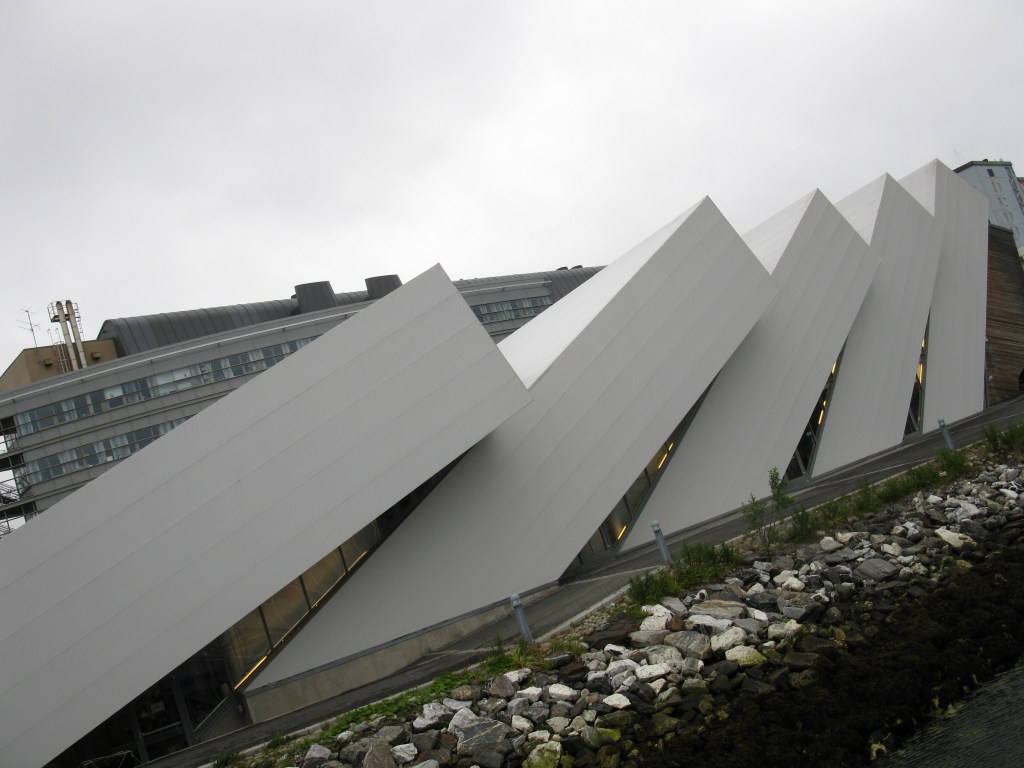
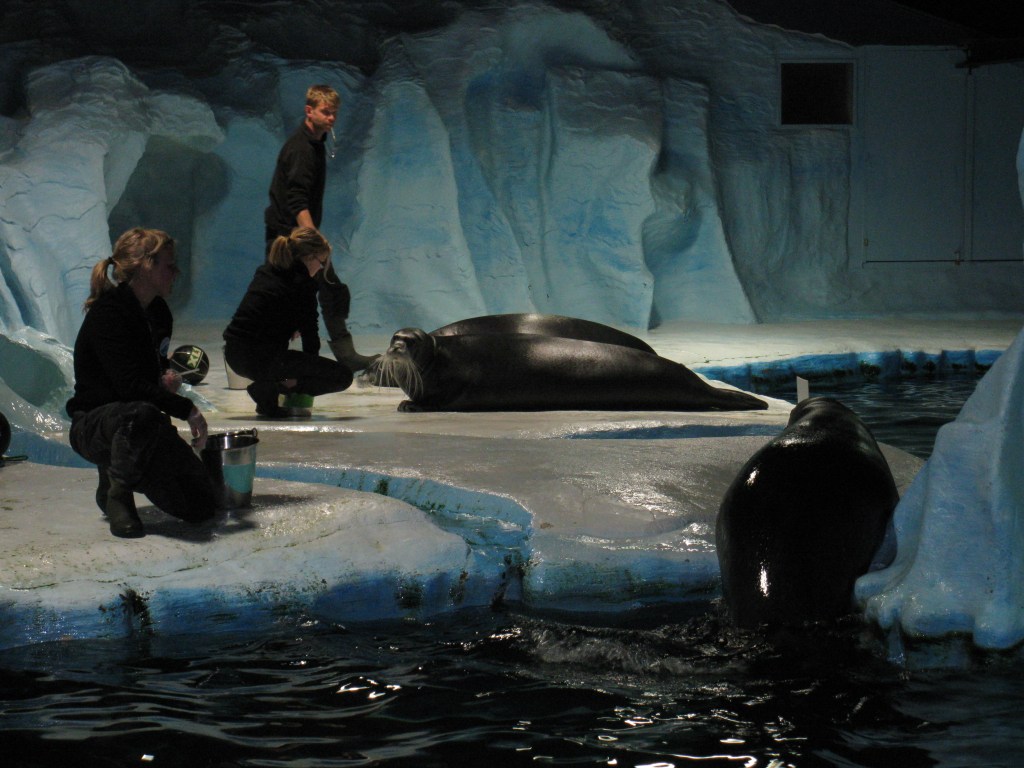
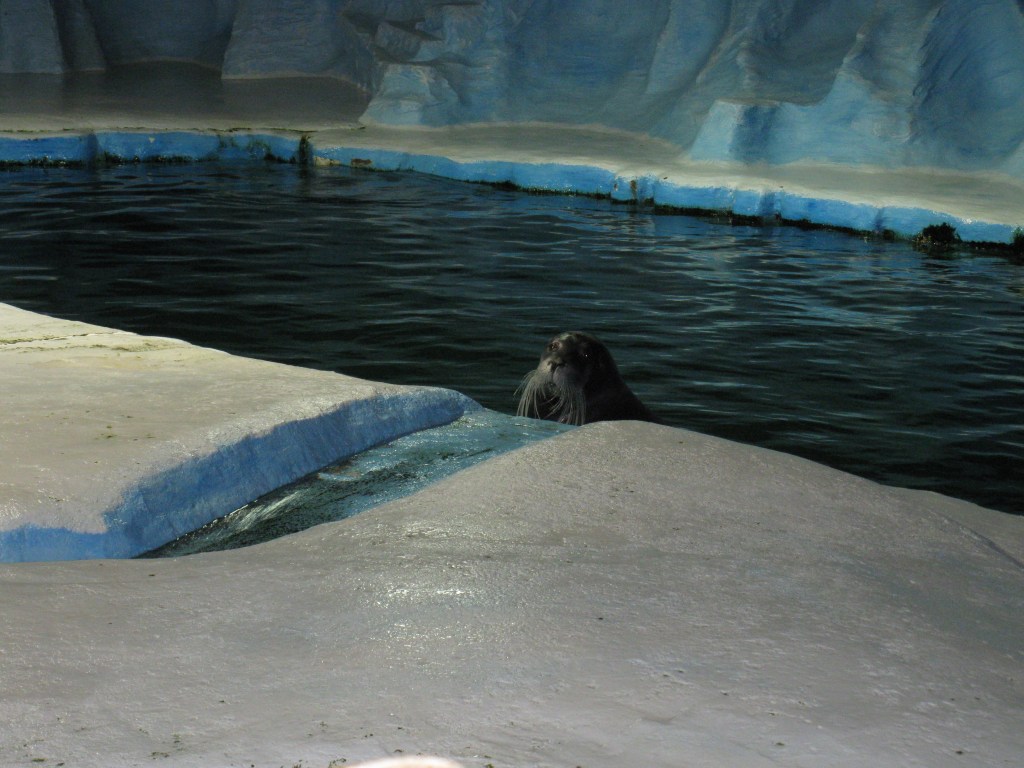
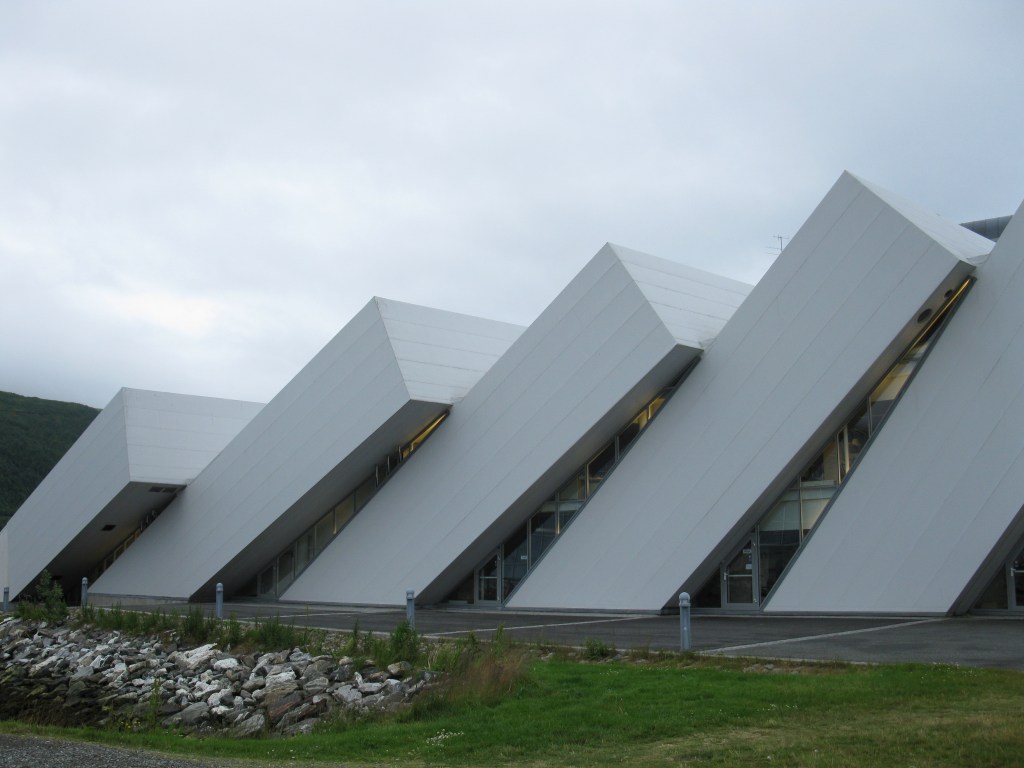
The highlight of Polaria (Hjalmar Johansens gate 12) – which is an interactive museum specialising in polar research in Norway – was watching bearded seals effortlessly glide upside down through its aquarium before awkwardly hauling their bulky bodies up from the water for feeding time.
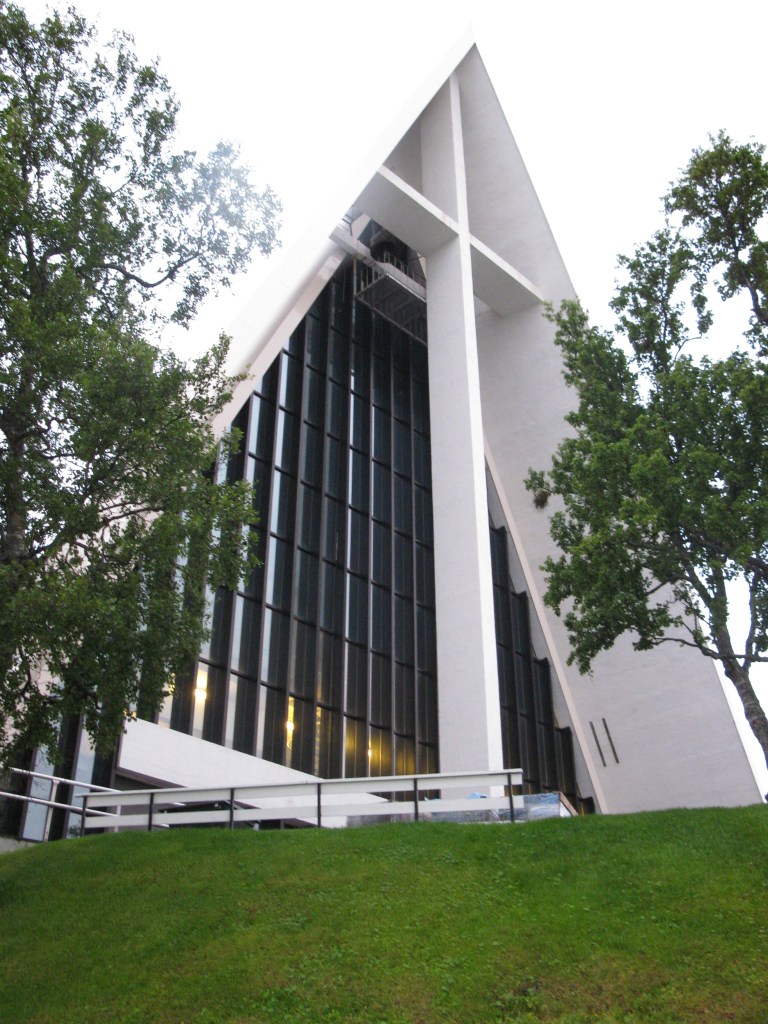
Braving the rainy conditions, we walked across the Tromsø bridge that links the city centre, which is located on the small island of Tromsøya, to the mainland on Tromsdalen for a midnight concert of classical music at the stunning Arctic cathedral.
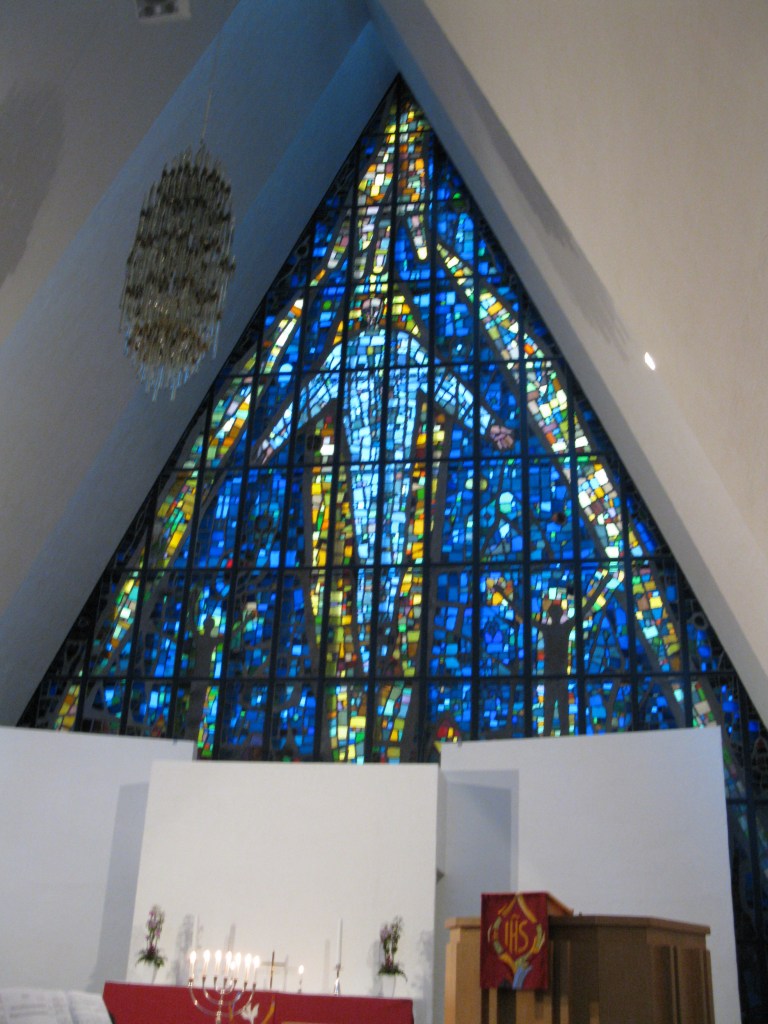
Once inside Tromsø’s most recognisable and iconic structure, a breathtaking giant stained glass window depicting Jesus immediately entrances.
It’s made up of hundreds of colourful pieces and provided a dazzling visual centrepiece as the sounds of a soprano singer, a single cellist and an organ and piano player circulated around the church.
Norwegian and Swedish religious songs were interspersed with pieces by Bach and Rachmaninov in a performance which was both intensely moving and hauntingly sombre.
Afterwards, despite it being close to 1am – it was still as light outside as it was in the morning – we walked for nearly half an hour to get to the Fjellheisen cable car (Solliveien 12, 9020 Tromsdalen).
It took us up to 420 metres above sea level but instead of getting a panoramic view of the city, a bank of impenetrable mist made it impossible to see anything at all.
We were also a tad unlucky in that we did not get a single glimpse of the midnight sun – an incredible sight we were assured by our guide Knut – as the clouds congregated to debate whether they should give us another soaking.
Despite its slightly misleading name, the Quality Saga hotel, where we stayed for three nights, is not an establishment aimed at an older clientele.
It is handily located in the centre of the city and our twin room was clean and comfortable and the hotel’s staff were both genuinely friendly and helpful.
Although I left Tromsø with considerably less money than when I arrived, it was worth the extra expense to spend time in a unique part of Europe which beguiles and charms to create an overwhelmingly positive lasting impression.
This travel article was printed in the Press and Journal newspaper in August 2009.
 Stephen Kasiewicz